How do restaurants get more customers during football season?
Football season is a run of big weekends, and fans plan each one ahead. They pick where to watch and what to order days before kickoff. A restaurant that plans too can fill its room and its pickup shelf.
Treat football season as a calendar of big weekends. Mark rivalry games, holiday games and playoffs first. Build a short game-day menu of wings and trays in set sizes. Sell watch-party tables with a deposit. Space takeout pickups around kickoff and halftime. Have local creators film that menu two weeks before each big weekend.
CreatoRain Team9 min read
CreatoRain is a done-for-you restaurant influencer marketing service for chains and franchises: CreatoRain's in-house team finds, invites and pays food creators and follows up until each video is posted.

Why does football season bring restaurants more customers?
Football gives people a fixed time to get together and a reason to eat. Games run from late summer into February. Fans plan their weekends around them. Many would rather watch with a crowd, or order for friends at home, than cook.
The audience is large. The NFL averaged 18.7 million viewers per game last regular season, according to the league and Nielsen. That was a 10% increase on the season before. Part of the rise came from a change in how Nielsen counts viewers, including people watching away from home. So read it as a big audience, not a sudden boom.
- more chicken wing sales than an average Sunday
- 25%
- fewer seafood sales, and the same drop for enchiladas and fajitas
- 16%
- higher average sales at 9 a.m., as fans started early
- 5%
Those numbers come from a single Sunday on a single point-of-sale system. Read them as a hint about game-day habits, not a promise for your room. The pattern is easy to see. Fans want food to share and eat by hand. They pick lighter drinks, and they start earlier than on a normal Sunday.
What do football fans order on game day?
Toast’s numbers point to a short list. Wings lead by a distance. Lighter drinks rose too. Hard seltzer sales were up 14% and cider sales 4%. Beer moved only 2%, and tequila fell 8%.
Chicken wings
25%Hard seltzer
14%Cider
4%Beer
2%
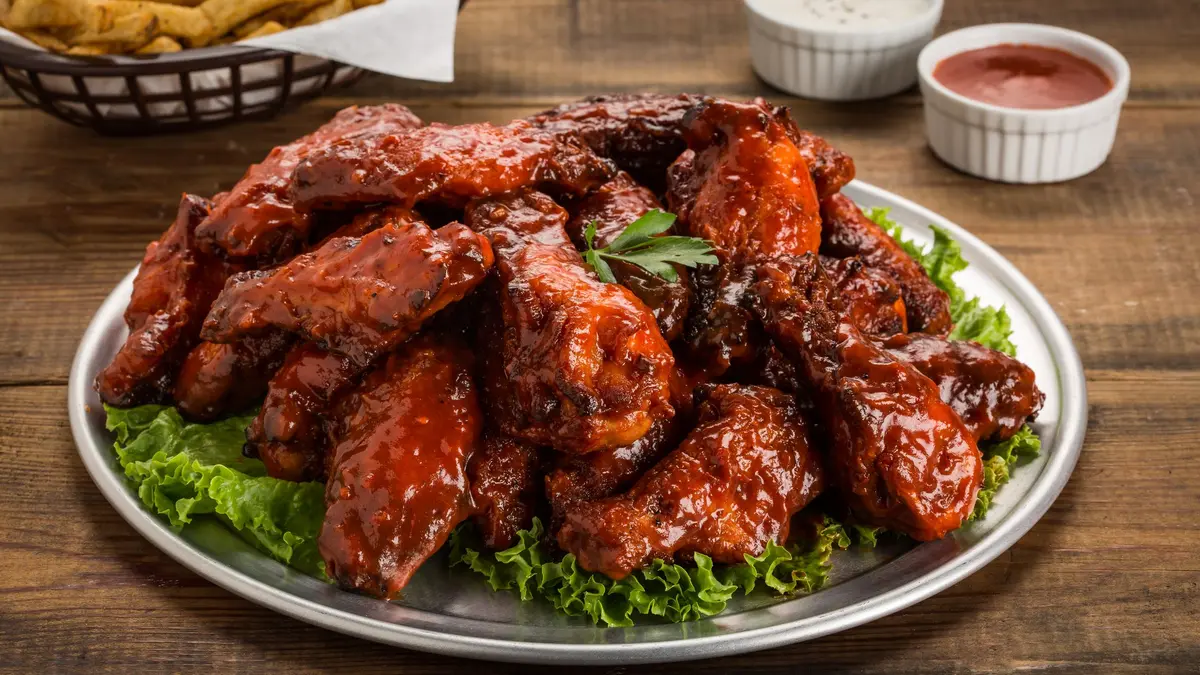
Build the game-day menu from that. Offer wings in several sauces and a few plates a table can share by hand. Add a short list of lighter drinks next to the beer.
Sell in set sizes, so a host can order for a room without guessing. SpotOn’s football guide suggests naming the quantity, such as a party pack for six. Guests then order with confidence instead of ordering too little to be safe. Keep the list tight, too. Fewer modifiers mean fewer wrong orders when the kitchen is slammed.
A game-day menu that sells
- Wings in three or four sauces, sold by set counts
- Two or three plates a table can share by hand
- Party trays for takeout, named by how many people they feed
- A short list of lighter drinks beside the beer
- A brunch plate or two if you open before the early games
Slow sellers can leave the game-day menu without leaving the main menu. Toast found seafood sales fell 16% that Sunday. Save the fish special for a quieter night.
Which football weekends should a restaurant plan around?
Not every game day is equal. The weekends that fill a room are the ones your town cares about. Think of the local college’s rivalry game, your NFL team’s games against its rivals, the holiday games and every playoff weekend. Put them all on one calendar now. SpotOn advises promoting team watch parties at least a week or two out.
| Weekend | Date | Have creator videos up by |
|---|---|---|
| College Football Playoff first round | December 18 and 19 | The first days of December |
| Playoff quarterfinals | Dec. 30 and Jan. 1 | Mid-December |
| Playoff semifinals | Jan. 14 and Jan. 15 | The last days of December |
| College Football Playoff National Championship | January 25, 2027 | The second week of January |
| Super Bowl LXI | February 14, 2027 | The end of January |
The postseason is the easiest part to plan, because its dates are set months ahead. The playoff bracket is revealed on December 6. Add your NFL team’s playoff weekends in January as its path becomes clear. Then add the dates only your town knows, such as homecoming and the big rivalry. For a neighborhood restaurant, those can beat a national final. The whole town is watching the same game.
When should creator videos about your game-day menu go up?
A creator video does its work in the days after it goes up, while people are still choosing where to watch. A video posted on game morning leaves them little time to change plans. Aim for videos to go up about two weeks before the weekend you care about. Then repeat the reminder on your own accounts in the final week.
Pick the weekend
Choose the game. Decide whether you are selling a watch party, party trays or both.
about four weeks out
Invite local food creators
Ask them to visit on a quieter weeknight and film the game-day menu.
about three weeks out
Creators visit and film
Serve the dishes you will sell on the day, plated the way they will go out.
about two weeks out
Videos go up
Fans see the menu while they are still choosing where to watch.
the week of the game
Your own reminder
Repost the videos, post the event on Google and keep bookings open.
Point creators at the game-day dishes, not the everyday menu. Ask each video to tell viewers how to book a table or order a tray. A hosted meal has to be mentioned in the post itself, and the disclosure guide shows plain wording. Book the visit for a quiet weeknight. The kitchen has time, the room is calm, and the food looks the way it will on the day. For the invitation itself, see inviting food influencers.
How do you run a watch party that fills the room?
A watch party turns a game into a booking. You sell a seat, a table or a section for a named game. You know before the day how many people to staff and prep for. Pick the formats that suit your room and your crowd.
- Reserved tables. Book tables for the game with a set menu or a minimum spend. Keep a few seats for walk-ins.
- A home for one team’s fans. Become the place where fans of one team gather every week. Fans of an out-of-town team often have nowhere else to go.
- Local groups. Offer a standing deal to an alumni chapter or a youth league. They bring a built-in crowd.
- Away games. When the local team plays on the road, fans still need somewhere to watch.
- Jersey day. Pick one date and one rule, such as a free appetizer for the first ten tables in team gear.
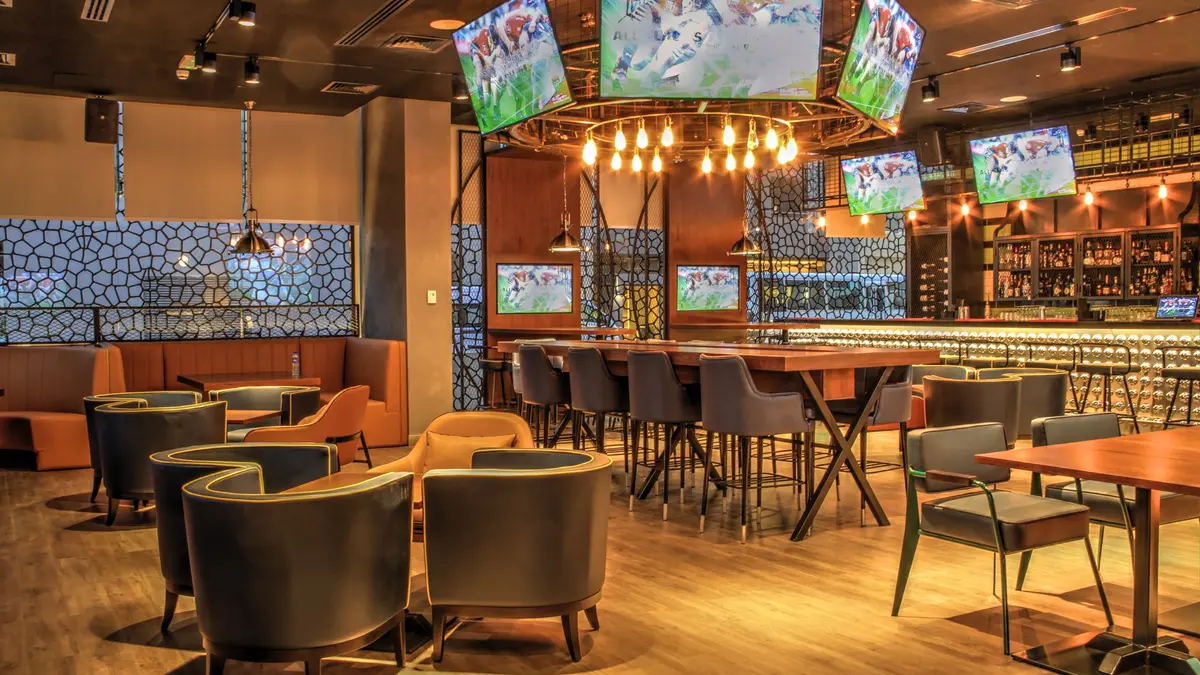
Take a deposit on group bookings and reserved sections. SpotOn’s guide makes the case plainly. A deposit protects you if a group cancels at the last minute. You are not left holding the cost of extra prep and stock. Take it off the bill on the day, so it reads as a booking, not a fee.
How should you handle takeout and delivery around kickoff?
Many fans watch at home, and they still want your food. SpotOn describes a wave of orders in the 30 minutes before kickoff, then another at halftime. If every order lands in those two windows, the kitchen falls behind. The food goes out late and cold.
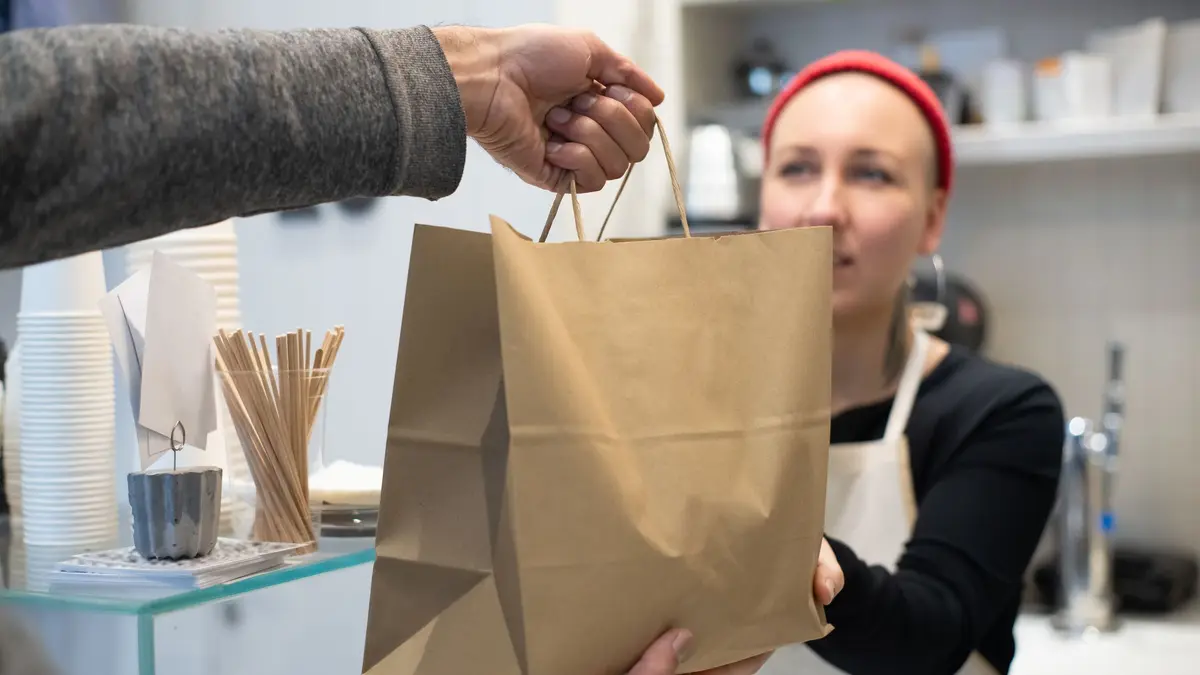
Take pre-orders for trays from early in the week, and close them the night before. If your online ordering lets guests pick a time, SpotOn suggests spacing pickup slots in 15-minute increments around kickoff. Keep a shelf by the door for paid pickups. Those guests should never queue behind diners paying their bill.
Delivery apps will bring game-day orders too. Put a card or QR code in each bag that points to your own ordering page. Next time, that guest can order from you directly. You save the app’s commission and keep their details.
Ready for the kickoff rush
- Party trays on your online menu from early in the week
- A cut-off for tray pre-orders the night before the game
- Pickup slots spaced through the hour before kickoff
- One person on the pickup shelf from before kickoff to the end of halftime
- A card in every delivery bag that points to your own ordering page
How do you tell nearby fans that you are showing the game?
Fans often look for a place to watch on their phones, on the day itself. Your Google Business Profile is one of the first things they find. Keep it current all season. Posting to it costs nothing.
- Post each watch party as an event. Google’s help pages say to give an event post a title and its start and end dates and times. You can schedule posts to publish later, so a month of games takes one sitting.
- Post once for every location. Google lets you share one post across several Business Profiles at the same time.
- Set special hours. Open early for noon games or late for night games without changing your regular hours. For a group, Google’s bulk upload spreadsheet has a Special hours column.
- Leave the drinks out. Google’s posting rules list alcohol as a regulated product and ask you not to post content about it. Promote the game, the food and the booking instead.
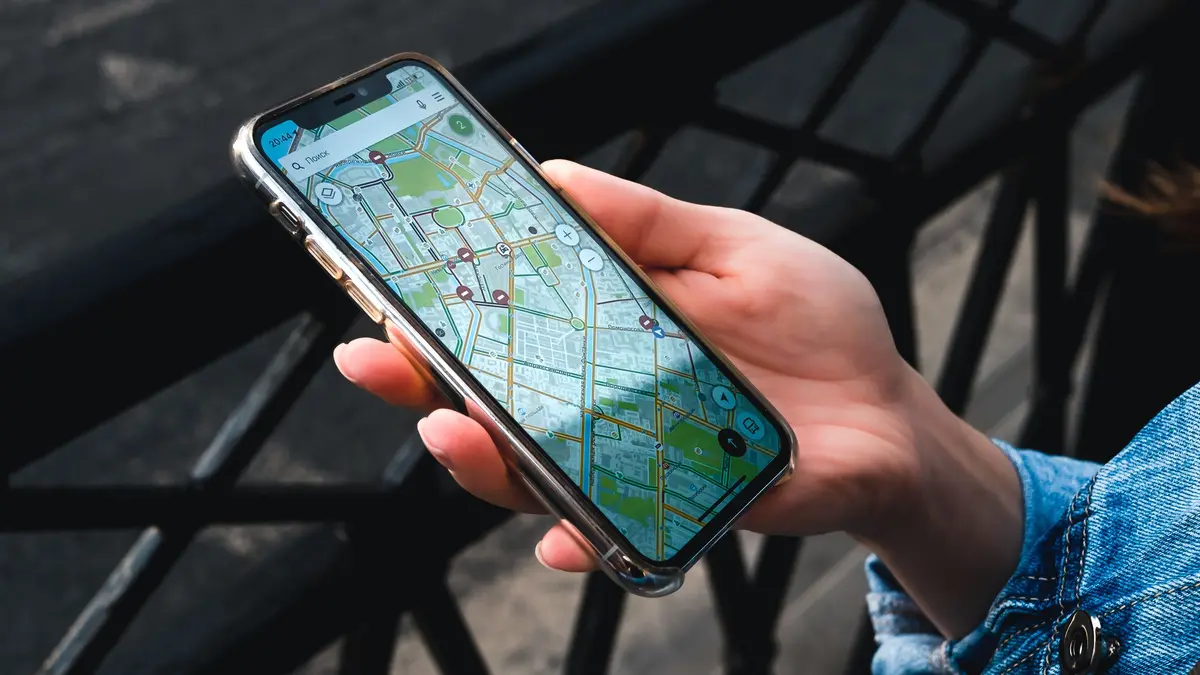
Then repeat the message where your regulars already are. Use a card at the host stand, a line on the receipt and a note to your email or text list. In the final week, repost the creator videos on your own accounts.
If you pay to promote anything, promote one named game and its booking link. Aim it at people who live near the restaurant. A general ad for “football season” gives no one a reason to book.
What does planning a rivalry weekend backwards look like?
Your town’s details will differ, but the order holds. Videos come first, then bookings, then prep. All of it is set before the week of the game. Nothing here needs a bigger kitchen, only an earlier start.
How do you run game days across several locations?
If you run more than one location, use the same plan at each. Set the dates by each town’s own teams, not one national weekend. A restaurant near a campus and one across the state may have their biggest Saturdays a month apart.
Build each town’s calendar from
- The home games and rivalry of the nearest college
- The schedule of the NFL team the town follows
- Homecoming and other dates only that town knows
Franchisees should check with the brand first. Your franchisor may already run a game-day offer and supply the artwork. Ask what you may add locally, such as your own watch parties, trays and creator visits. Our guide on finding food influencers covers the creator side if you do it yourself.
What game-day videos take across several locations
- Finding creators who post about food in each town
- Writing to each one and agreeing a date
- Timing each visit to that town’s own big weekend
- Checking that each video went up
Inviting creators for one restaurant takes a few messages. For a group, it becomes a job. CreatoRain, which publishes this guide, does that job for restaurant chains and franchises. You send your locations, and you don’t send a single email. Our in-house team finds and invites the creators, pays them and follows up until each video is posted. It costs $300 a video, the creator’s pay included, and you choose how many locations to cover.
Still yours on game-day videos
- Choosing which weekends and locations get videos
- The game-day menu the creators film
- Hosting each creator on the day they book
What mistakes cost restaurants customers during football season?
Most game-day business is lost to timing, not to the food. The same few slips come up again and again.
Avoid these
- Promoting the watch party on the morning of the game
- One menu for every Sunday, with no trays or set sizes
- Every takeout order promised for the same minutes before kickoff
- Reserved sections with no deposit
- Creator videos that show your everyday menu instead of the game-day one
- Packing up the plan when the regular season ends, with the playoffs still to come
Fix the timing and the rest of the season gets easier. The same calendar, menu and booking setup work for every big weekend. That runs from the first kickoff to the Super Bowl.
Sources and method
Where each number comes from
- “18.7 million viewers per game” — NFL sees second-highest regular season average viewership since 1988 at 18.7M, up 10% from 2024 (Associated Press, via NFL.com, January 7, 2026). Read October 7, 2026.
- “10% increase” — NFL sees second-highest regular season average viewership since 1988 at 18.7M, up 10% from 2024 (Associated Press, via NFL.com, January 7, 2026). Read October 7, 2026.
- “September 8, 2024” — How The NFL Opening Weekend Impacted Restaurants (Tessa Zuluaga, Toast, November 4, 2024). Read October 7, 2026.
- “25%” — How The NFL Opening Weekend Impacted Restaurants (Tessa Zuluaga, Toast, November 4, 2024). Read October 7, 2026.
- “16%” — How The NFL Opening Weekend Impacted Restaurants (Tessa Zuluaga, Toast, November 4, 2024). Read October 7, 2026.
- “9 a.m.” — How The NFL Opening Weekend Impacted Restaurants (Tessa Zuluaga, Toast, November 4, 2024). Read October 7, 2026.
- “5%” — How The NFL Opening Weekend Impacted Restaurants (Tessa Zuluaga, Toast, November 4, 2024). Read October 7, 2026.
- “14%” — How The NFL Opening Weekend Impacted Restaurants (Tessa Zuluaga, Toast, November 4, 2024). Read October 7, 2026.
- “4%” — How The NFL Opening Weekend Impacted Restaurants (Tessa Zuluaga, Toast, November 4, 2024). Read October 7, 2026.
- “2%” — How The NFL Opening Weekend Impacted Restaurants (Tessa Zuluaga, Toast, November 4, 2024). Read October 7, 2026.
- “8%” — How The NFL Opening Weekend Impacted Restaurants (Tessa Zuluaga, Toast, November 4, 2024). Read October 7, 2026.
- “30 minutes” — The Best Football Season Playbook Every Restaurant Needs (Megan Palmer, SpotOn, August 6, 2026). Read October 7, 2026.
- “15-minute increments” — The Best Football Season Playbook Every Restaurant Needs (Megan Palmer, SpotOn, August 6, 2026). Read October 7, 2026.
- “December 6” — The Best Football Season Playbook Every Restaurant Needs (Megan Palmer, SpotOn, August 6, 2026). Read October 7, 2026.
- “December 18 and 19” — The Best Football Season Playbook Every Restaurant Needs (Megan Palmer, SpotOn, August 6, 2026). Read October 7, 2026.
- “January 25, 2027” — The Best Football Season Playbook Every Restaurant Needs (Megan Palmer, SpotOn, August 6, 2026). Read October 7, 2026.
- “February 14, 2027” — The Best Football Season Playbook Every Restaurant Needs (Megan Palmer, SpotOn, August 6, 2026). Read October 7, 2026.
- “Dec. 30” — College Football Playoff to stretch from Dec. 18 to Jan. 25 (National Football Post, June 1, 2026). Read October 7, 2026.
- “Jan. 1” — College Football Playoff to stretch from Dec. 18 to Jan. 25 (National Football Post, June 1, 2026). Read October 7, 2026.
- “Jan. 14” — College Football Playoff to stretch from Dec. 18 to Jan. 25 (National Football Post, June 1, 2026). Read October 7, 2026.
- “Jan. 15” — College Football Playoff to stretch from Dec. 18 to Jan. 25 (National Football Post, June 1, 2026). Read October 7, 2026.
- “$300” — As published on our pricing page.
Pages quoted in this article
- How The NFL Opening Weekend Impacted Restaurants (Tessa Zuluaga, Toast, November 4, 2024) Read October 7, 2026.
- NFL sees second-highest regular season average viewership since 1988 at 18.7M, up 10% from 2024 (Associated Press, via NFL.com, January 7, 2026) Read October 7, 2026.
- The Best Football Season Playbook Every Restaurant Needs (Megan Palmer, SpotOn, August 6, 2026) Read October 7, 2026.
- College Football Playoff to stretch from Dec. 18 to Jan. 25 (National Football Post, June 1, 2026) Read October 7, 2026.
- Create & manage posts on your Business Profile (Google Business Profile Help) Read October 7, 2026.
- How to set Special hours (Google Business Profile Help) Read October 7, 2026.
Related questions
All 9 guides on Holidays & seasons →Run more than one location? See how CreatoRain works for restaurant chains. See real campaigns in our case studies.