How does a franchisee market their own location?
Head office runs the national ads, but nobody there knows your street. Most franchisees want more local help than they get. So many owners fill the gap themselves. They post the brand’s templates, sponsor a team and hope the neighbors notice.
Start with Item 11 of your Franchise Disclosure Document. It shows what the ad fund covers and what is yours. Ask head office for its local kit and approval rules. Keep your store’s Google listing accurate. Test small paid ads around your address. Add creator videos made at your store. Track each tactic by store and keep what works.
CreatoRain Team7 min read
CreatoRain is a done-for-you restaurant influencer marketing service for chains and franchises: CreatoRain's in-house team finds, invites and pays food creators and follows up until each video is posted.

Why does local marketing fall to the franchisee?
The national ad fund builds the brand. It rarely tells anyone that your store is open tonight. Some of your ad fees may pay for national spots that never name your town. Your disclosure document says how that fund is spent.
Head office does send help. But it is built for every store at once. In the same survey, 61 percent of franchisors said they supply social media post templates. A template made for every store speaks to no street in particular.
- of franchisees say local marketing help from head office would be extremely helpful
- 95 percent
- of franchisees feel strongly they have the right tools for their location
- 39 percent
- of franchisors supply social media post templates
- 61 percent
What does your franchise agreement let you do locally?
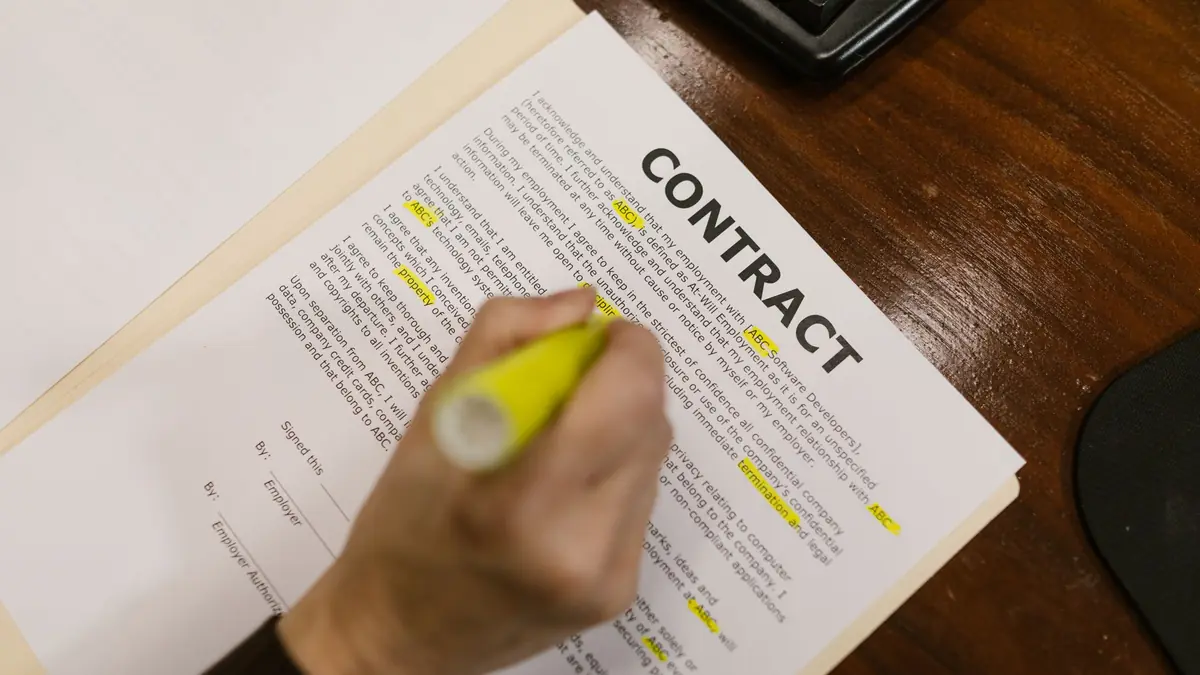
Read the advertising part of your Franchise Disclosure Document before you spend your own money. Federal rules require it under Item 11. That item covers the franchisor’s assistance and advertising. It is the most useful hour of marketing you will spend.
Find these answers in Item 11 and your agreement
- Whether head office must spend any ad money in your area
- When you may use your own advertising material
- If you have to pay into a co-op for your area
- What you pay into the co-op and any other ad fund
- Who approves local ads, and how long approval takes
Don’t guess at how much freedom you have. The survey found a gap between what head office wants and what owners believe.
Franchisors who say control of franchisee marketing is important
95 percentFranchisees who believe their marketing is fully autonomous
53 percent
The study’s authors say some owners may think they have more control than they do. So ask your field marketing contact what needs approval. Get the answer in writing. Keep it with your agreement.
What should you ask head office for?
Start with what already exists. Head office often has approved photos, post templates and co-op money you have not touched. Ask for each one by name. Ask who signs off on changes.
| Ask for | Why it matters for your store |
|---|---|
| Approved photos and video of the menu | You can post fast without a fresh approval |
| Templates you may edit with local names | A post that names your street gets noticed |
| Your co-op or local ad budget | Money you already pay in can fund ads near you |
| The approval contact and the usual turnaround | A school night can’t wait weeks for sign-off |
| The system’s rules for working with creators | Some systems approve creators centrally |
Ask how often the kit changes, too. In the survey, just 35 percent of franchisors update their templates and campaigns weekly. A post your regulars saw last month won’t feel new. Then ask what head office wants back. Photos and results from your store can speed up your next approval.
How do you make your store show up in local search?
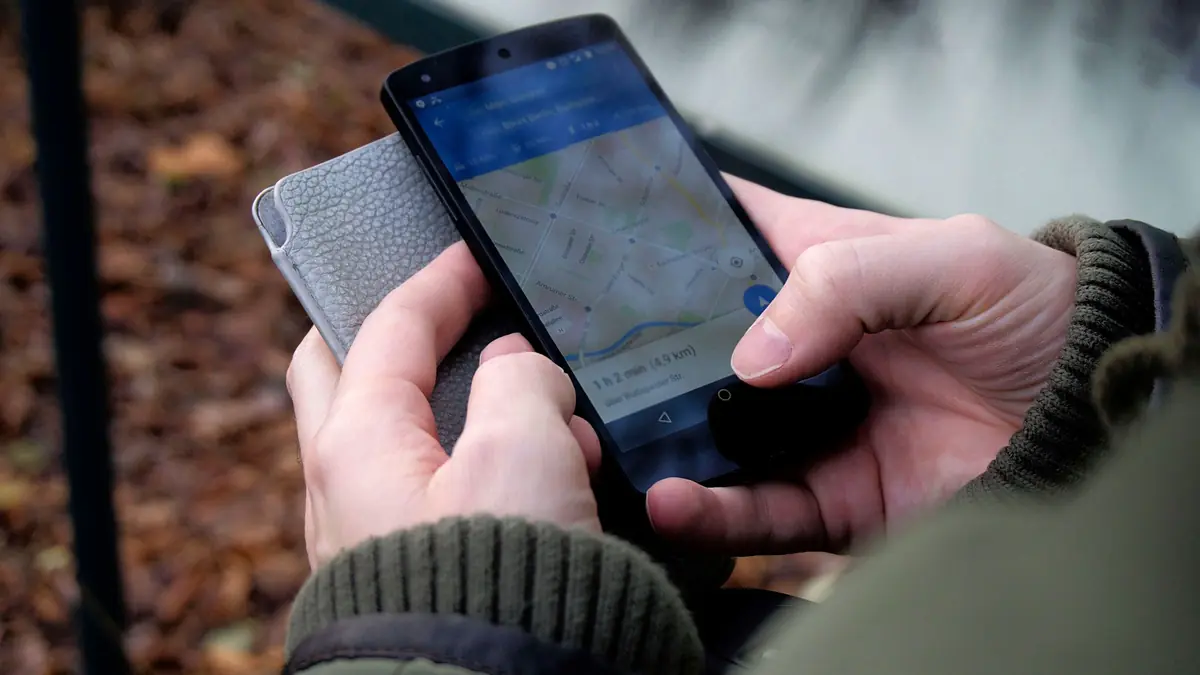
Many people find a place to eat through a map search. For your store, that result is its Google Business Profile. Google’s guidelines say “there should only be one profile per business.” Every location in a country must use the same name. Google allows a few exceptions, such as sub-brands.
Check your store’s listing every month
- Hours, including holidays and early closes
- A phone number that rings at this store
- Recent photos of this dining room and these plates
- A menu link that opens this store’s menu
- Reviews answered, or passed to whoever answers them
Chains often run these listings centrally. Google lets a business with 10 or more locations manage them in bulk. So head office may own your listing while you supply the facts. Send corrections through them. Never create a second profile for your store. A duplicate breaks the one-profile rule. Google warns that extra profiles can cause problems with how your store shows on Maps and Search.
How do you run paid ads for one location?
Paid ads put your store in front of people nearby this week. Check two things first. Does head office already buy search ads for your area? Can your co-op money pay for local ads? Then set the area. Google Ads lets you target a radius around your address. The radius must be at least 1 km. Google warns that a very small radius may show your ads only now and then, or not at all.
| Setting | A starting point |
|---|---|
| Area | A few miles around the store, not the whole metro |
| Budget | A fixed daily amount you would not miss |
| Offer | One offer, one store address, one landing page |
| Length | Four weeks, so slow and busy days both count |
| Counting | Calls, direction requests and a code at the till |
Budgets are set per day. Google’s own budget example turns $304 a month into $10 a day. On a busy day Google can spend up to two times that daily amount. Over a month it will not charge more than the monthly limit. Ask head office which ad account to use, so two stores don’t bid against each other. Our Google Ads setup for one location walks through the first campaign.
Which neighborhood moves work for a single store?
The oldest local tactics still work because they are local by nature. Sponsor a youth team. Host a school spirit night. Bring lunch to the fire station. Join the chamber of commerce.
| Tactic | What it costs you | Check with head office |
|---|---|---|
| School or team spirit night | A share of one evening’s sales | Whether the donation offer needs approval |
| Sponsoring a youth team | Shirts or a banner, plus food after games | Logo use on shirts and banners |
| Chamber of commerce membership | Annual dues and some evenings | Usually nothing |
| Catering a nearby office | Food at a discount | Pricing and discount rules |
| In-store promotions | Staff time and signs | Approved sign templates |

The right mix depends on your store’s stage. In the survey, mature or declining franchisees were likelier to rate in-store promotions most effective. That was 50 percent against 40 percent for others. Growing businesses leaned toward social media ads. Pick one or two tactics and repeat them. A team you sponsor every season beats five one-off events.
How do creator videos help one location?
Your neighbors spend time on social apps. Half of adults say they use Instagram, and 37% use TikTok. That comes from a Pew Research Center survey published in November 2025. A food creator who lives nearby films at your store and tags its location. Their video can reach people who live near your store. The video shows your dining room and your plates, not a brand stock shot. Check your system’s creator policy first. Then ask each creator to say plainly that the meal was free or paid. Our guide on disclosing a free meal has wording that works.
Check the creator policy
Some systems approve creators centrally.
Approved
Invite creators who live nearby
They accept
The creator books a visit
At the visit
Your team hosts the meal
After the visit
The video goes up, with the disclosure
Doing this for each store takes hours. CreatoRain, which publishes this guide, is a done-for-you creator video service for restaurant chains and franchises. You don’t send a single email. Our in-house team invites the creators, pays them and follows up until each video is posted. Creators book their own visit, and your store hosts it. It costs $300 a video, the creator’s pay included.
How do you know which local tactic worked?
Give each tactic its own way to count. Use a separate code for each school night. Ask guests how they heard about you for a week after an event. Note the day each creator video went up. Then read your sales for the days after.
Keep one simple log for each store
- The date and the tactic
- What it cost, including staff time and free food
- How you counted it: a code, a question or a till report
- What happened in the next week
- Keep it, change it or drop it
Share the log with head office. Only 38 percent of franchisors in the survey said they have complete visibility into franchisees’ marketing. Your log fills that gap for your store. It also makes your next request easier to approve. Record the flops too. A tactic that cost a lot and moved nothing is worth writing down.
What changes when you own several locations?
Multi-unit owners face the same work at every store. Run one playbook across them. Keep each store’s details local. The school night that fills one store may mean nothing to the next.
| Keep the same at every store | Make local at each store |
|---|---|
| Logo, colors and approved menu photos | The streets, schools and teams you name |
| Your approval process with head office | Which events you sponsor |
| How you log and count results | Which creators film at each store |
| One ad account, set up by store | The radius and offer for each store |
Give each store manager one local job they own. A manager who knows the coach or the principal books better events. Compare your stores in the log each month. When a tactic works at one store, try it next at the store most like it.
Where should a franchisee start this month?
Read Item 11 and your agreement
The same week
Ask head office for the local kit
Photos, templates, co-op budget and the approval contact.
Next
Fix your Google Business Profile
Hours, phone, photos and menu for this store.
Then
Start a small radius ad test
One offer, a few miles, four weeks.
Alongside
Book one neighborhood event
A school night, a team or a nearby office lunch.
Also
Add creator videos made at your store
Check the creator policy and the disclosure first.
At month end
Read your log
Keep what worked and drop the rest.
None of this needs a big budget. It needs one person at the store who owns it every month. It also needs a head office that knows what you are doing.
Most owners have more help on paper than they use. Read the agreement and ask for the kit. Spend your own effort on what only your store can say.
Sources and method
Where each number comes from
- “264” — Study on Franchise Marketing: Spotlight on Franchisor and Franchisee Marketing (Constant Contact and Ascend2, reprinted by DMN, April 8, 2025). Read October 7, 2026.
- “239” — Study on Franchise Marketing: Spotlight on Franchisor and Franchisee Marketing (Constant Contact and Ascend2, reprinted by DMN, April 8, 2025). Read October 7, 2026.
- “95 percent” — Study on Franchise Marketing: Spotlight on Franchisor and Franchisee Marketing (Constant Contact and Ascend2, reprinted by DMN, April 8, 2025). Read October 7, 2026.
- “39 percent” — Study on Franchise Marketing: Spotlight on Franchisor and Franchisee Marketing (Constant Contact and Ascend2, reprinted by DMN, April 8, 2025). Read October 7, 2026.
- “61 percent” — Study on Franchise Marketing: Spotlight on Franchisor and Franchisee Marketing (Constant Contact and Ascend2, reprinted by DMN, April 8, 2025). Read October 7, 2026.
- “53 percent” — Study on Franchise Marketing: Spotlight on Franchisor and Franchisee Marketing (Constant Contact and Ascend2, reprinted by DMN, April 8, 2025). Read October 7, 2026.
- “35 percent” — Study on Franchise Marketing: Spotlight on Franchisor and Franchisee Marketing (Constant Contact and Ascend2, reprinted by DMN, April 8, 2025). Read October 7, 2026.
- “50 percent” — Study on Franchise Marketing: Spotlight on Franchisor and Franchisee Marketing (Constant Contact and Ascend2, reprinted by DMN, April 8, 2025). Read October 7, 2026.
- “40 percent” — Study on Franchise Marketing: Spotlight on Franchisor and Franchisee Marketing (Constant Contact and Ascend2, reprinted by DMN, April 8, 2025). Read October 7, 2026.
- “38 percent” — Study on Franchise Marketing: Spotlight on Franchisor and Franchisee Marketing (Constant Contact and Ascend2, reprinted by DMN, April 8, 2025). Read October 7, 2026.
- “Item 11” — 16 CFR § 436.5 Disclosure items (Legal Information Institute, Cornell Law School). Read October 7, 2026.
- “10 or more locations” — Verify Business Profiles in bulk (Google Business Profile Help). Read October 7, 2026.
- “1 km” — Target ads to geographic locations (Google Ads Help). Read October 7, 2026.
- “$304” — About average daily budgets (Google Ads Help). Read October 7, 2026.
- “$10” — About average daily budgets (Google Ads Help). Read October 7, 2026.
- “two times” — About average daily budgets (Google Ads Help). Read October 7, 2026.
- “Half of adults” — Americans’ Social Media Use 2025 (Pew Research Center, November 20, 2025). Read October 7, 2026.
- “37%” — Americans’ Social Media Use 2025 (Pew Research Center, November 20, 2025). Read October 7, 2026.
- “$300” — As published on our pricing page.
Pages quoted in this article
- Study on Franchise Marketing: Spotlight on Franchisor and Franchisee Marketing (Constant Contact and Ascend2, reprinted by DMN, April 8, 2025) Read October 7, 2026.
- 16 CFR § 436.5 Disclosure items (Legal Information Institute, Cornell Law School) Read October 7, 2026.
- Guidelines for representing your business on Google (Google Business Profile Help) Read October 7, 2026.
- Verify Business Profiles in bulk (Google Business Profile Help) Read October 7, 2026.
- Target ads to geographic locations (Google Ads Help) Read October 7, 2026.
- About average daily budgets (Google Ads Help) Read October 7, 2026.
- Americans’ Social Media Use 2025 (Pew Research Center, November 20, 2025) Read October 7, 2026.
Related questions
All 7 guides on Openings & franchise →Run more than one location? See how CreatoRain works for restaurant chains. See real campaigns in our case studies.