How do you run Facebook and Instagram ads for one restaurant location?
A franchisee taps Boost on a photo of the new lunch special. A week later the budget is spent. The likes came from three towns away. Nobody at the counter mentioned the ad.
Build the ads in Ads Manager, not with the Boost button on a phone. Pin one address and pull the radius in tight. Run one offer with one goal. Start near $15 a day for four weeks. Give the offer a code the staff can count. Spend more only after the code shows real visits.
CreatoRain Team8 min read
CreatoRain is a done-for-you restaurant influencer marketing service for chains and franchises: CreatoRain's in-house team finds, invites and pays food creators and follows up until each video is posted.

What should a first test prove before you spend more?
A first test answers one question. Did people near this address see the offer and come in? Likes and comments cannot answer it. A redeemed code at the counter can.
Set the pass mark before the ads go live. Decide what one new guest is worth to you. Your average check and your food cost set that limit. The ad account does not.
A first test passes when
- The ads reached people inside your radius, not three towns over
- Staff counted every code or mention at the counter
- The cost per counted guest came in under your limit
- The offer did not eat into full-price orders from regulars
- You can say which ad and which week brought the visits
Pass, and you can raise the budget for a reason. Fail, and you change one thing and run again. Either way, the money bought an answer.
Do diners still find new restaurants on Facebook?
They do. Toast surveyed U.S. diners in October 2025. Of them, 27% said they found a new restaurant through Facebook. Instagram came in at 15%. Word of mouth still led. Facebook beat TV ads and map apps.
- tried a new restaurant in the past month
- 64%
- found one through Facebook
- 27%
- found one through Instagram
- 15%
A Pew Research Center survey in 2025 shows the reach behind those numbers. Facebook was one of the two most used platforms in the country. Half of U.S. adults said they use Instagram.
One Ads Manager account buys space on both. So a single campaign can reach the regulars on Facebook and their kids on Instagram. You set the radius once.
Should you boost a post or build the ad in Ads Manager?
| Setting | Boost a post | Ads Manager |
|---|---|---|
| Starts from | A post already on your Page | A new campaign, ad set and ad |
| Goal | Pick one, or let Facebook pick | Six objectives, each with its own goals |
| Testing | No test option in the boost form | A/B tests built in |
| Best for | A quick push for one event | A test you plan to repeat |
The Boost button is the quick route. It turns a Page post into an ad. It asks for a goal, an audience, a duration and a daily budget. That suits a one-off push for a weekend event.
Boost from a computer, not from an iPhone. Meta warns that Apple may charge a service fee of 30% of the ad payment. It applies when you boost in the Facebook app on iOS. Apple keeps that fee, not Meta.
Use Ads Manager when
- You want to change one setting and compare
- The offer runs for more than a weekend
- You need a schedule, a radius and a goal you chose
- Other stores will copy the setup later
Ads Manager splits the work into three layers. The campaign holds the objective. The ad set holds the audience, the budget and the schedule. The ad holds the picture and the words. That makes it easy to change one thing at a time.
Which campaign objective fits a restaurant offer?
Ads Manager offers six objectives. Three of them fit one restaurant. Awareness reaches the people most likely to remember the ad. Traffic sends people to a page you choose. Leads collects messages, phone calls or sign-ups.
| Objective | What it buys | Use it for |
|---|---|---|
| Awareness | Reach among nearby people | A new location or a new name |
| Traffic | Visits to your menu or offer page | An offer people claim with a code |
| Leads | Calls, messages and sign-ups | Catering, parties and large orders |
Pick Traffic for most first tests. Send people to a page with the offer, the address and the hours. Use Awareness for an opening, when the goal is simply to be known nearby. Meta folded its old store traffic objective into Awareness, with store location features turned on.
Sales finds people likely to buy, such as through an online store. A first test at one store does not need it. Leave it for later.
How wide should the radius be around one address?
Audience settings for one address
- A pin on the address, with the radius pulled in to your trade area
- The option to reach people beyond your locations left off
- Age and interests left broad at first
- Areas you cannot serve excluded
Set the location at the ad set level, under Audience. Drop a pin on your address or type it in. Meta picks a default radius. A slider changes it.
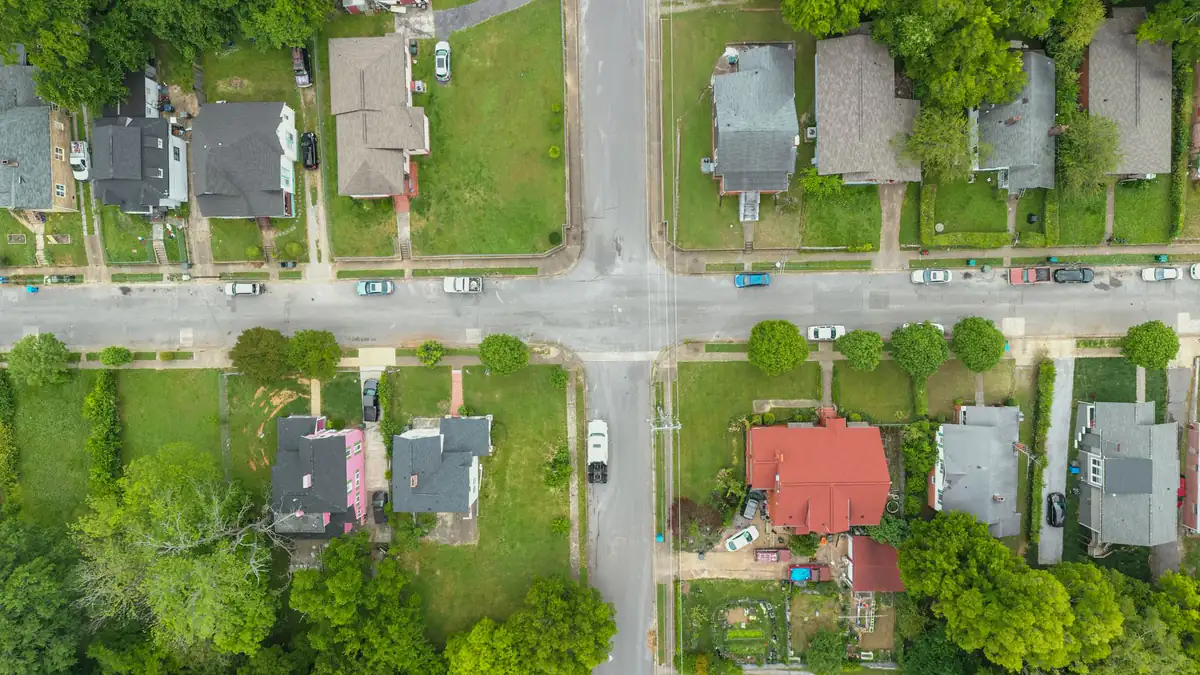
Size the circle to how far a guest will drive for your kind of meal. A lunch counter draws from close by. A dinner spot with a wait draws from farther. Exclude areas you cannot serve, such as towns past your delivery zone.
What offer should the ad carry?
| Offer | How staff count it | Watch for |
|---|---|---|
| A free side with any entrée | Guest shows the ad or says the code word | Regulars claiming it every visit |
| A first-visit dessert | A code entered in the register | Margin on a busy night |
| A weekday lunch combo | Its own button in the register | A new cashier forgetting the button |
| A catering tasting box | Calls and messages logged by name | Slow replies on weekends |
Run one offer, written so a cashier can count it. A code word, a coupon on a phone or a named item all work. A line like great food nearby gives the staff nothing to count.
Keep the offer the same for the whole test. A new offer in the second week resets what you learned. It also leaves you two small counts that cannot be compared.
What should the ad itself show?
Before the ad goes live
- The offer and the code word in the first line
- A real photo of the dish, not a stock image
- A vertical clip for Stories and Reels
- The neighborhood or street in the text
- A link to a page with the offer, hours and map
Show food from your own menu, shot where it is served. A phone photo of a real plate in good light beats a stock image. Put the offer in the first line of text. Put the neighborhood in the second.
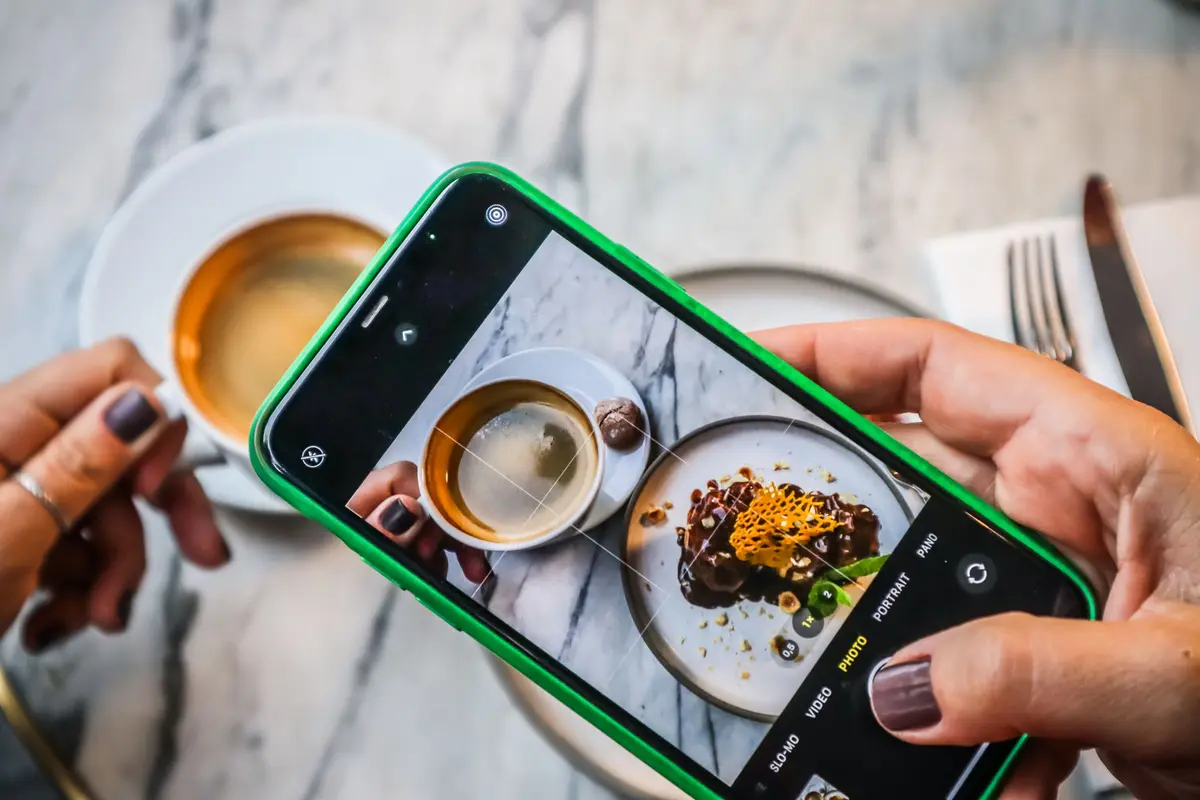
Make one vertical video as well. Facebook and Instagram both run full-screen placements, such as Stories and Reels. A short clip of the dish being plated fits them better than a square photo.
Pick one question
Photo or video, for the same offer
Copy the first
Build two ad sets
Identical except for that one thing
Launch both
Run the A/B test
At least a week, on separate audiences
Read the counts
Keep the winner
Then test the next question
Check any automatic creative setting before you publish. Advantage+ creative can deliver its own variations of your ad. A franchisee should know what it changes before it touches the brand’s photos.
How much should one location spend per day?
Take $15 a day as a working example. Meta treats a daily budget as a target across a calendar week, Sunday to Saturday. On a busy day it may spend up to 75% more. Over the week it will not pass 7 times the daily budget.
- the most it can spend in one day
- $26.25
- the most it can spend in one week
- $105
- the most a four-week test can cost
- $420
Restaurants buy Facebook clicks cheaply. LocaliQ’s benchmarks put the average cost per click for restaurants and food at $0.45 in traffic campaigns. The average across all industries was $0.60. Restaurant ads also drew a click-through rate of 2.68%.
At that average, $420 buys about 930 clicks. That is enough to learn whether one offer moves people. It is not enough to judge three offers at once.
Why do the first days look worse than the rest?
Week one
Launch, then leave the ad set alone while it learns
Learning ends
Week two
Read results by placement and by ad
One change
Week three
Pause the weaker ad and keep the budget
Counts come in
Week four
Compare counted guests with your limit
Every new ad set starts in a learning phase. Meta says an ad set usually leaves it after about 50 results in the week after its last significant edit. Until then, delivery is less stable and costs run higher.
That rule shapes a small budget. At $105 a week, each of those results must cost $2.10 or less. Link clicks can get there. Online orders rarely will at that price. So optimize for link clicks or landing page views first.
How do you count the guests the ads brought in?
Counts to keep each week
- Redemptions of the offer, by day
- Calls and messages that mention the ad
- Spend and clicks from Ads Manager for the same days
- Sales on the same weekdays last month
Ads Manager counts clicks, not diners. The counter has to count the rest. Give the offer its own register button or code. Brief every shift on it, the weekend crew included.
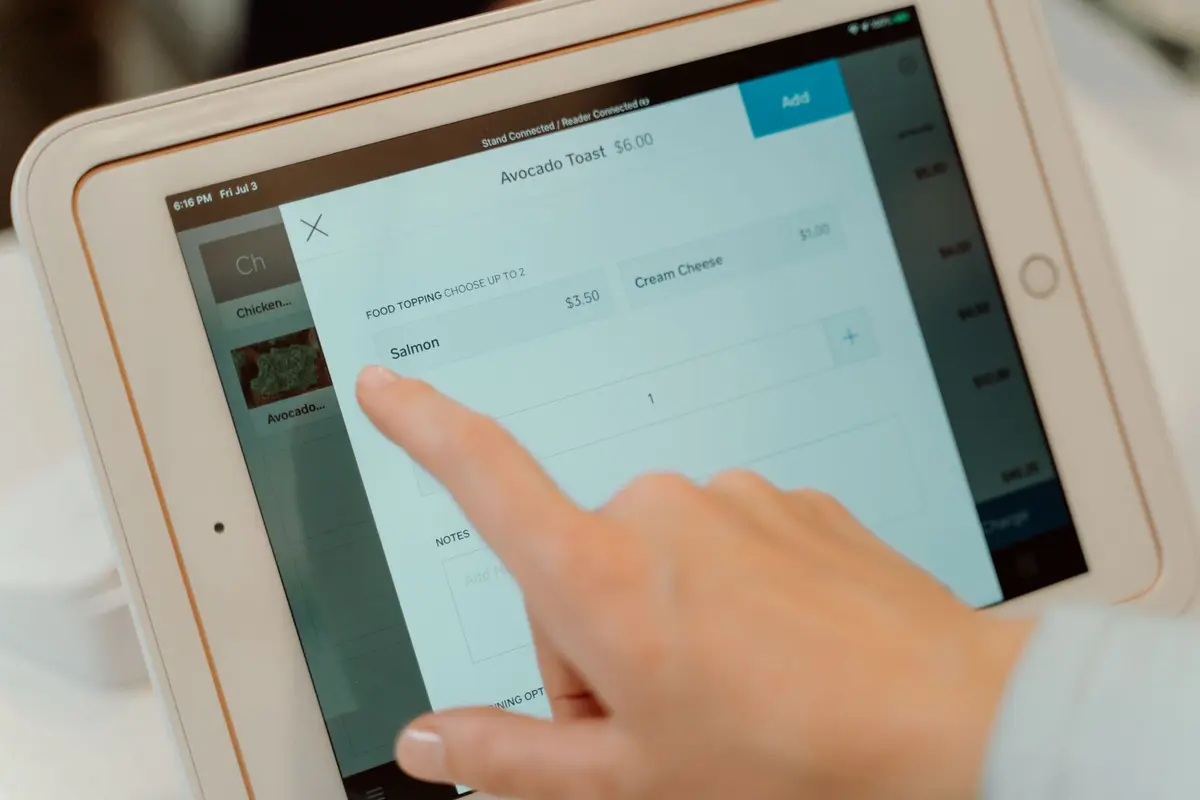
Compare like with like. A Tuesday with the offer goes beside a Tuesday without it. A big game or a holiday can swamp a small test, so mark those days.
What should a franchisee check with the brand first?
Ask the franchisor before the first dollar, and get the answers in writing. Many systems already pay into a brand advertising fund. Some want local offers and pictures approved. Some limit how a store may use the brand name.
Questions for the franchisor
- Can one location run its own Facebook and Instagram ads?
- Which offers need approval, and how long does approval take?
- Which photos and logos may a location use?
- Does the brand fund already run ads in this area?
- Which Page should the ads run from?
The last question matters more than it looks. Meta says a boost needs a Facebook Page and access to it. If the brand owns the Page for your store, ask for that access first.
When is it worth spending more?
Spend more once the cost per counted guest holds for two weeks in a row. Raise the budget in small steps. Meta warns that frequent budget changes can send an ad set back into learning.
Signs the test is ready to grow
- The code count held steady for two weeks
- Each counted guest cost less than your limit
- Staff kept counting without reminders
- The franchisor approved the offer for more stores
Then copy the setup, not just the budget. Each new store gets its own pin, its own code and its own count. Check the total against the share of sales you spend on marketing. Add search ads for one location for people already looking.
Ads work best with a video worth stopping for. A clip from a food creator often is. CreatoRain makes those videos for chains and franchises, done for you. It costs $300 a video, and the creator’s pay is included.
Sources and method
Where each number comes from
- “27%” — How Guests Discover New Restaurants in 2026 (Toast, July 30, 2026). Read October 7, 2026.
- “15%” — How Guests Discover New Restaurants in 2026 (Toast, July 30, 2026). Read October 7, 2026.
- “64%” — How Guests Discover New Restaurants in 2026 (Toast, July 30, 2026). Read October 7, 2026.
- “October 2025” — How Guests Discover New Restaurants in 2026 (Toast, July 30, 2026). Read October 7, 2026.
- “in 2025” — Social Media Fact Sheet (Pew Research Center, November 20, 2025). Read October 7, 2026.
- “Half of U.S. adults” — Social Media Fact Sheet (Pew Research Center, November 20, 2025). Read October 7, 2026.
- “30%” — Boost a post from your Facebook Page (Meta Business Help Center). Read October 7, 2026.
- “75%” — About daily budgets (Meta Business Help Center). Read October 7, 2026.
- “7 times” — About daily budgets (Meta Business Help Center). Read October 7, 2026.
- “about 50 results” — About the learning phase (Meta Business Help Center). Read October 7, 2026.
- “$0.45” — Facebook Advertising Benchmarks for 2026 (LocaliQ, September 23, 2026). Read October 7, 2026.
- “$0.60” — Facebook Advertising Benchmarks for 2026 (LocaliQ, September 23, 2026). Read October 7, 2026.
- “2.68%” — Facebook Advertising Benchmarks for 2026 (LocaliQ, September 23, 2026). Read October 7, 2026.
- “$15” — An example daily budget chosen for the arithmetic in this guide, not a recommendation from any source. Measured October 7, 2026.
- “$26.25” — Our arithmetic: Meta may spend up to 75% over the daily budget in a day, and $15 times 1.75 is $26.25. Measured October 7, 2026.
- “$105” — Our arithmetic: Meta spends no more than 7 times the daily budget in a Sunday-to-Saturday week, and 7 times $15 is $105. Measured October 7, 2026.
- “$420” — Our arithmetic: four full calendar weeks at the $105 weekly ceiling is $420. Measured October 7, 2026.
- “about 930 clicks” — Our arithmetic: $420 divided by $0.45 (LocaliQ’s restaurants and food average cost per click, traffic campaigns) is 933.3, about 930. Measured October 7, 2026.
- “$2.10” — Our arithmetic: a $105 weekly ceiling divided by the about 50 results Meta says an ad set needs in a week to leave learning is $2.10 a result. Measured October 7, 2026.
- “$300” — As published on our pricing page.
Pages quoted in this article
- How Guests Discover New Restaurants in 2026 (Toast, July 30, 2026) Read October 7, 2026.
- Social Media Fact Sheet (Pew Research Center, November 20, 2025) Read October 7, 2026.
- Facebook Advertising Benchmarks for 2026 (LocaliQ, September 23, 2026) Read October 7, 2026.
- Boost a post from your Facebook Page (Meta Business Help Center) Read October 7, 2026.
- How to choose the right ad objective in Meta Ads Manager (Meta Business Help Center) Read October 7, 2026.
- Use location targeting (Meta Business Help Center) Read October 7, 2026.
- About location targeting in Meta Ads Manager (Meta Business Help Center) Read October 7, 2026.
- About daily budgets (Meta Business Help Center) Read October 7, 2026.
- About the learning phase (Meta Business Help Center) Read October 7, 2026.
- Best practices for A/B testing (Meta Business Help Center) Read October 7, 2026.
Related questions
All 5 guides on Paid ads →Run more than one location? See how CreatoRain works for restaurant chains. See real campaigns in our case studies.