Are food influencers better than Facebook ads for a restaurant?
Next month’s marketing money is already on the table. One manager wants to boost posts on Facebook. Another wants to invite a few local food creators. Both are right about something. The trick is knowing which job each one does.
Facebook ads and local food creators do different jobs. Facebook ads buy reach you control. You pick the area, the budget and the dates. That reach stops when the spending stops. Local food creators bring a trusted voice and a video that stays up. You control less of what they say. Most locations do well with both.
CreatoRain Team7 min read
CreatoRain is a done-for-you restaurant influencer marketing service for chains and franchises: CreatoRain's in-house team finds, invites and pays food creators and follows up until each video is posted.

What does each one actually buy you?
Owners often ask this as a contest. But the two are bought differently and do different work. An ad is space you rent from Meta. It shows to the people you pick, for as long as you pay. A creator video is a post on someone else’s account. Their audience sees it, in their words, and it stays up after the visit.
| What you compare | Facebook and Instagram ads | Local food creators |
|---|---|---|
| What you pay for | Clicks or views, while the ad runs | The meal, plus a fee if the creator charges one |
| Who sees it | People you pick by place and interests | The creator’s followers, and anyone who finds it later |
| Trust | Marked as an ad, in your own voice | A person’s recommendation, labelled when hosted |
| How long it works | Stops when the budget does | Stays on the creator’s profile and in search |
| Control | You write it and can change it any day | The creator decides what to film and say |
Each row matters more in some months than others. A slow week needs reach now. A new location needs people to trust a name they have never heard.
What do Facebook ads cost a restaurant?
Facebook ads are cheap to start and easy to stop. LocaliQ, a marketing company for local businesses, publishes Facebook ad averages by industry. Restaurants sit near the cheap end of its list for traffic campaigns.
- average cost per click
- $0.45
- average click-through rate
- 2.68%
Take a small test budget of $250 for a month. At $0.45 a click, that buys about 555 clicks. That sounds like a lot, so read it carefully. A click is someone opening your page or menu. It is not a guest at a table. The number that matters is what a new guest costs, and no average can tell you that.
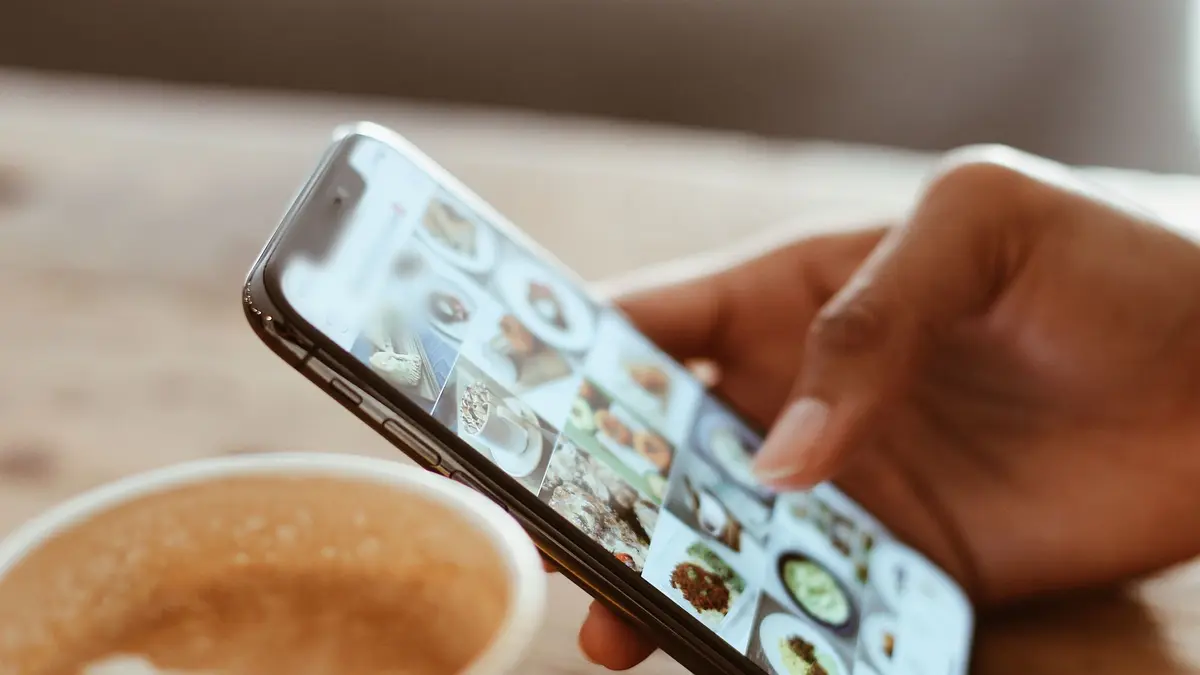
Ads also stop the day you stop paying. That suits a short push, like a new menu item or a slow week. It is also the weakness the creator column answers.
What does a local food creator cost?
A creator visit costs the meal, any guest they bring, and a fee if they charge one. Many local creators with small audiences will come for a hosted meal. Others charge per video. Shopify gathered published estimates for the smallest accounts, which it calls nano-influencers.
- per Instagram post
- $25 to $150
- per TikTok post
- $5 to $200
So four small creators on Instagram might cost $100 to $600 in fees, plus the meals. Shopify calls them estimates. Rates vary a lot from one creator to the next. Our cost guide covers hosted meals versus paid posts.
The bigger cost is staff time. Someone finds creators who post about your area and writes to them. Then they follow up, set a date and brief the kitchen. After the visit, they check that the post went up. An ad takes an afternoon to set up. A round of creator visits takes weeks of messages.
Which one do diners trust more?
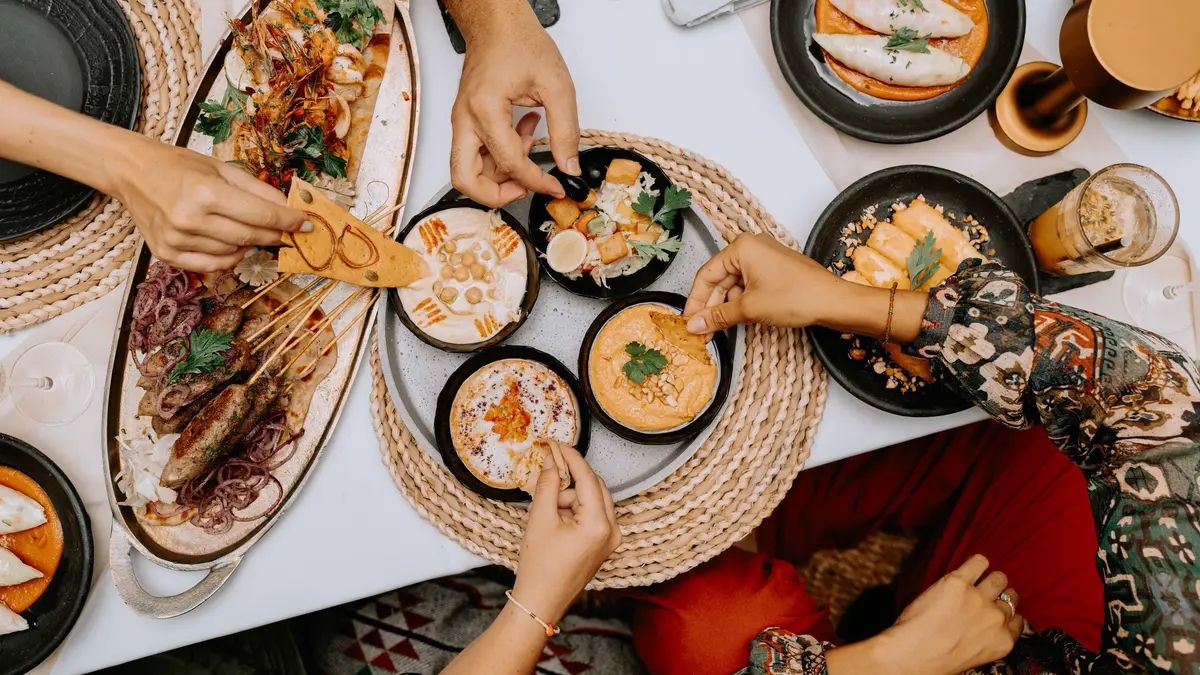
A restaurant survey points one way. The marketing agency MGH asked 701 TikTok users in August 2021. Of those, 36% went to a restaurant after watching a TikTok video about it. They were swayed most by people they knew personally. Food creators came second, as Restaurant Dive reported.
A newer survey adds a check. SevenRooms, a restaurant software company, polled 1,000 US consumers as 2024 turned into 2025. It found 94% use online resources such as Google and social media to find new restaurants. Yet only one in 10 said they use influencers for recommendations.
What that means for your plan
- A creator helps most when the video sounds like a local friend
- A scripted video reads like an ad, so it earns an ad’s trust
- Most guests still search before they go, so keep your listings right
- Neither channel replaces a good visit that guests talk about
How long does each one keep working?
An ad lasts as long as its budget. When the money runs out, it stops showing. The next push starts from zero. A creator’s video stays on their profile. People keep finding it by scrolling back, by sharing it and by searching the app.
That shelf life is not automatic. A video with no restaurant name in the caption is hard to find later. A video that names a dish gives viewers something to order.
Help a creator’s video keep working after the visit
- Ask for your restaurant’s name and neighborhood in the caption
- Ask the creator to tag your account so viewers can find you
- Point them to one dish people can order by name
- Share the video on your own account once it is up
Who sees each one?
With ads, you choose. Meta says location targeting reaches people who live in, recently spent time in or often visit the places you pick. That can be a city or a postal code. Meta also says complete accuracy cannot be guaranteed. Some views may come from outside your area.
With creators, you borrow an audience. A creator with a big following in another state brings views that never become guests. A smaller creator who posts about your neighborhood can bring people through the door. Check where a creator’s followers are before you invite them.
Before you invite a creator, check that
- Most of their recent posts are about places in your area
- The people commenting sound local
- They have posted about a restaurant like yours before
- Their videos are ones you would be glad to run as an ad
Can you run a creator’s video as a Facebook ad?
Yes. Meta calls the format partnership ads. Its developer documentation says they let you run ads with creators, brands and other businesses. Both accounts appear in the ad’s header. The creator must give permission first. Until they do, Meta holds the ad in a pending state.
The creator posts
On their own account, labelled as a paid partnership
You ask to run it
The creator approves
For that post, through Meta’s permission request
Permission is in place
You run it as an ad
Both names in the header. You set the area and budget.
The budget ends
The post stays up
It keeps working on the creator’s profile
Meta has published its own numbers for the mix. Adding partnership ads to a campaign gave 19% lower cost per action on average. Click-through rates were 13% higher, as Marketing Dive reported. That is Meta’s own data about its own product. Treat it as a reason to test, not a promise.
Agree on ad use before the visit, in writing. Name the post, the months it may run and any extra fee. A creator who said yes to a hosted meal has not said yes to being your ad all year. Ask them to say the meal was hosted, too. Our free-meal disclosure answer has the wording.
What does it look like when a franchise group tries both?
The pattern is the useful part. The creator brings trust and a video worth watching. The ad brings reach you control. Each one covers the other’s weak spot.
Which should a location start with?
Start with ads if
- You need guests this week, for an offer or a slow night
- You already have photos or video worth showing
- You can track what an ad brings in, with a code or a booking link
Start with creators if
- Few people near you know your restaurant yet
- You have no video of your food worth running as an ad
- You can host a few visits a month and wait weeks for posts
With several locations, the trade-off sharpens. An ad is easy to copy to every location. Creator visits happen one location at a time. A video about one shop does not fill tables across town. Franchisees should also check the franchisor’s rules on ads and creators first.
CreatoRain, which publishes this guide, works on the creator side. It makes creator videos for chains and franchises, done for you. It charges $300 a video, with the creator’s pay included. You host the visit, and your ad budget can show the video to more people nearby.
How do you test both in one month?
Pick one measure
Ask new guests how they found you, or give each channel its own code
Before any spend
Run a week of ads
A small area around the restaurant, one dish, one offer
At the same time
Invite a few local creators
Agree on hosting and any ad use in writing
Posts go up
Run the strongest post as a partnership ad
With the creator’s permission, to the same area
End of the month
Compare what a new guest cost
Meals, fees, ad spend and staff time, per channel
Count each meal at what it costs your kitchen. Count your staff’s time as well. Then keep counting after the month ends. A creator’s video can keep bringing people in after the ads stop.
Keep the record either way. Note which creators posted on time and which videos guests mentioned. Note which ads brought guests rather than clicks. Our guide to telling whether creators brought customers shows how to count it.
Sources and method
Where each number comes from
- “$0.45” — Facebook Advertising Benchmarks for 2026 (LocaliQ, updated September 23, 2026). Read October 7, 2026.
- “2.68%” — Facebook Advertising Benchmarks for 2026 (LocaliQ, updated September 23, 2026). Read October 7, 2026.
- “$250” — An example monthly test budget chosen for the arithmetic in this guide, not a recommendation from any source. Measured October 7, 2026.
- “about 555 clicks” — Our arithmetic: $250 divided by $0.45 (LocaliQ’s restaurant and food average cost per click on Facebook traffic campaigns) is 555.6, rounded down to whole clicks. Measured October 7, 2026.
- “$25 to $150” — Influencer Pricing: The Cost of Influencers in 2026 (Shopify, updated June 22, 2026). Read October 7, 2026.
- “$5 to $200” — Influencer Pricing: The Cost of Influencers in 2026 (Shopify, updated June 22, 2026). Read October 7, 2026.
- “$100 to $600” — Our arithmetic: four creators at Shopify’s Instagram nano-influencer estimate of $25 to $150 per post comes to $100 at the low end and $600 at the high end, before meals. Measured October 7, 2026.
- “701” — Survey: 36% of TikTok users order from restaurants after seeing them on the app (Restaurant Dive, October 1, 2021). Read October 7, 2026.
- “36%” — Survey: 36% of TikTok users order from restaurants after seeing them on the app (Restaurant Dive, October 1, 2021). Read October 7, 2026.
- “1,000” — SevenRooms Data Reveals the Top Restaurant Trends Defining the Era of SuperHuman Hospitality in 2025 (SevenRooms, April 17, 2025). Read October 7, 2026.
- “as 2024 turned into 2025” — SevenRooms Data Reveals the Top Restaurant Trends Defining the Era of SuperHuman Hospitality in 2025 (SevenRooms, April 17, 2025). Read October 7, 2026.
- “94%” — SevenRooms Data Reveals the Top Restaurant Trends Defining the Era of SuperHuman Hospitality in 2025 (SevenRooms, April 17, 2025). Read October 7, 2026.
- “one in 10” — SevenRooms Data Reveals the Top Restaurant Trends Defining the Era of SuperHuman Hospitality in 2025 (SevenRooms, April 17, 2025). Read October 7, 2026.
- “19%” — Meta streamlines brands’ creator partnerships with AI-powered updates (Marketing Dive, December 11, 2025). Read October 7, 2026.
- “13%” — Meta streamlines brands’ creator partnerships with AI-powered updates (Marketing Dive, December 11, 2025). Read October 7, 2026.
- “$300” — As published on our pricing page.
Pages quoted in this article
- Facebook Advertising Benchmarks for 2026 (LocaliQ, updated September 23, 2026) Read October 7, 2026.
- Influencer Pricing: The Cost of Influencers in 2026 (Shopify, updated June 22, 2026) Read October 7, 2026.
- Survey: 36% of TikTok users order from restaurants after seeing them on the app (Restaurant Dive, October 1, 2021) Read October 7, 2026.
- SevenRooms Data Reveals the Top Restaurant Trends Defining the Era of SuperHuman Hospitality in 2025 (SevenRooms, April 17, 2025) Read October 7, 2026.
- About location targeting in Meta Ads Manager (Meta Business Help Center) Read October 7, 2026.
- Partnership Ads Creation (Meta for Developers) Read October 7, 2026.
- Meta streamlines brands’ creator partnerships with AI-powered updates (Marketing Dive, December 11, 2025) Read October 7, 2026.
Related questions
All 5 guides on Paid ads →Run more than one location? See how CreatoRain works for restaurant chains. See real campaigns in our case studies.