Should a small restaurant chain start a loyalty program?
A regular comes in every Tuesday. She orders the same bowl and chats with your shift lead. Your register has no idea who she is. If she stopped coming, nobody would notice for a month.
Start one when every register can tie a visit to a guest. A phone number at checkout is enough. Keep the program simple. Count visits, and reward them with a free item. Price that reward at food cost, not menu price. Keep the guest list in a system you control. Get your franchisor’s yes before launch.
CreatoRain Team6 min read
CreatoRain is a done-for-you restaurant influencer marketing service for chains and franchises: CreatoRain's in-house team finds, invites and pays food creators and follows up until each video is posted.

When is a small chain ready for a loyalty program?
Guests do notice these programs. In a report from 2025, the National Restaurant Association found that 41% of consumers weigh loyalty membership when they choose a full-service restaurant.
- of consumers weigh loyalty membership when choosing a full-service restaurant (National Restaurant Association)
- 41%
- of U.S. restaurant visits were made by loyalty members (Circana)
- 39%
Membership alone does not make a guest yours, though. Circana reported in June 2025 that loyalty members now make 39% of restaurant visits. It also studied receipts from four of the biggest U.S. programs. Members visited 20 restaurant chains a year, as many as nonmembers did. A program has to earn the next visit.

A loyalty program is a promise to remember your guests. Before you make it, check that your stores can keep it. Each register has to tie a visit to a person. A phone number or an email at checkout is enough.
Signs your group is ready
- Every store runs the same register system
- Staff can look up a guest by phone number
- You can pull visits per guest by store and month
- One person owns the program and its messages
- Your franchisor has said yes in writing
If two or more of these are missing, fix them first. A program that cannot count visits only hands out free food.
Should you count visits or points?
There are two simple shapes. A visit program counts trips through the door. The guest earns a reward after a set number of visits, whatever each check was. A points program counts dollars. The guest earns points on every dollar and trades them for rewards.
| Question | Visit program | Points program |
|---|---|---|
| What does it count? | Trips through the door | Dollars spent |
| Is it easy to explain? | Yes, like a punch card | It needs a clear reward chart |
| Does a big order earn more? | No | Yes |
| Where does it fit? | A menu with similar checks | A menu with very different checks |
Most small chains should start with visits. Guests get it at once, and staff can explain it in one sentence. Points make sense when checks vary a lot. A menu with single bowls and catering trays is one example.
Either way, make the first reward easy to earn. Paytronix, a loyalty software company, warns about a common setup. A guest earns one point per dollar, and a free entrée costs 500 points. On paper it works. In practice, guests see how far away the reward is and stop trying.
What does a reward really cost?
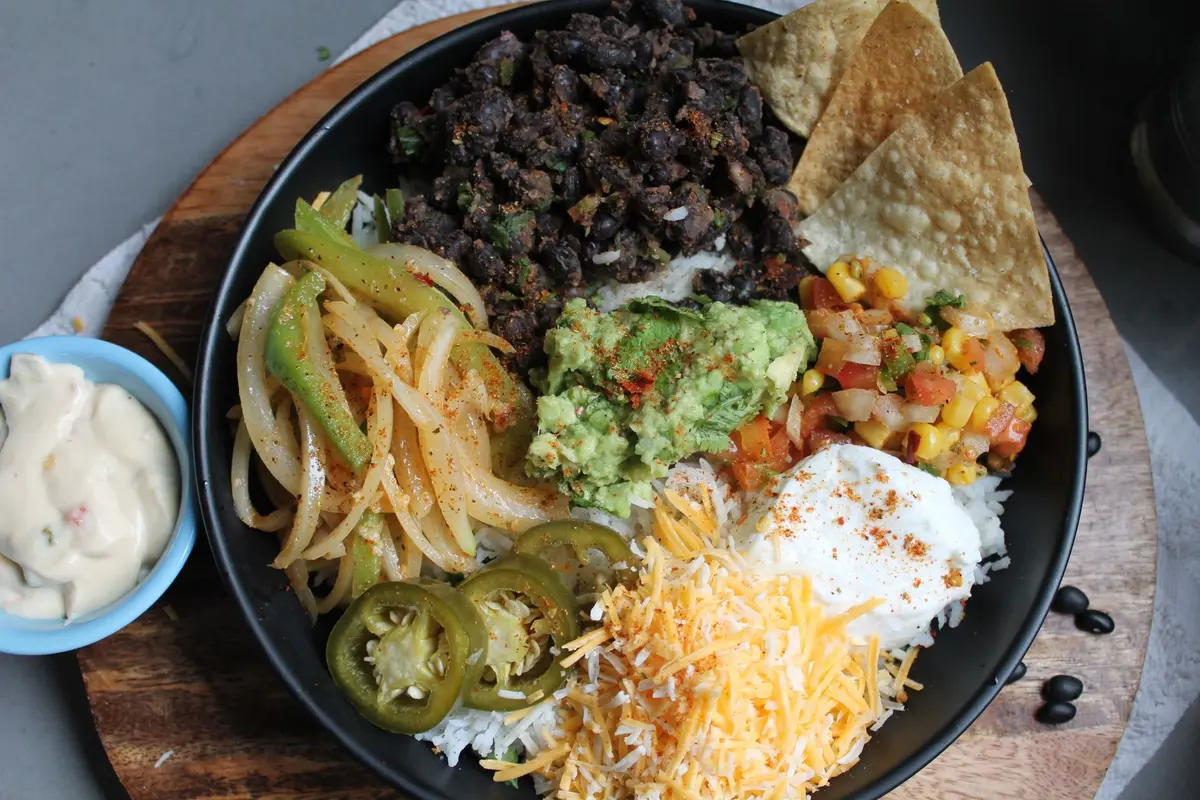
Owners often price a reward at menu price. That makes it look expensive. The real cost is the food and packaging you give away.
- menu price of the example bowl
- $12
- food cost of that bowl at a 30% food cost
- $3.60
- reward cost for each paid visit
- 36 cents
Now compare a 10% discount on every visit. On the same bowl, it gives away $1.20 each time. It also teaches guests to wait for a deal. A free item after ten paid visits costs far less, and it asks for a return trip.
Some rewards will go to guests who would have come anyway. That cost hides outside the math. The holdout test at the end of this guide measures it.
What does the software cost for each store?
- a month per location, loyalty program included
- $49
- per text after the first 500 texts
- 3¢
- a month for an example 12-store group, before texts
- $588
Start with your register company. It probably sells a loyalty add-on, and it already sees every check. Square is a common choice for small groups. Its Plus plan includes a loyalty program for $49 a month per location. Each store pays its own fee. Texts are priced on top. On that plan, the first 500 texts are free. Each text after that costs 3¢. A 12-store group on that plan would pay $588 a month before texts.
Ask every vendor for three numbers. They are the monthly fee per store, the price per text and any setup fee. Skip a separate app if you can. Paytronix says programs that need an app download lose most of the guests who might have joined.
How do you get guests to sign up?
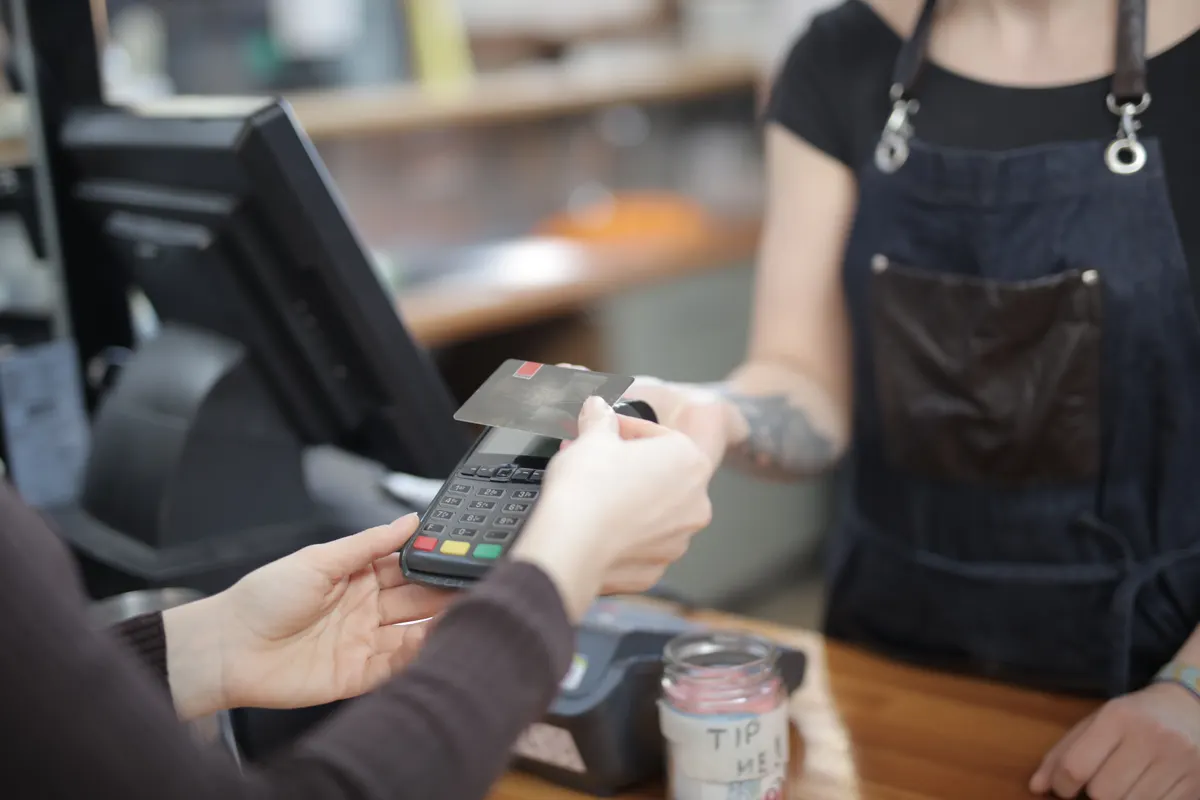
Sign-ups happen at checkout or not at all. Give cashiers one short line to say at payment. Ask every guest at every store.
Participation is the number to watch. Paytronix says its strongest clients get 50 to 70% of guests to take part. It puts the industry average closer to 20%. Asking every guest is the part a small chain fully controls.
A sign-up that works at the counter
- One question, asked at payment
- A phone number, not an app download
- The first reward stated in one line
- A receipt line that shows progress
- A weekly sign-up count for each store
How do you bring a new member back?
The first weeks decide most of the program. Paytronix found that first-time guests return less than half the time. But once a member completes four visits, the return rate climbs to 95%.
In April 2026, Paytronix published its yearly loyalty report. The trade site e-commerce.news covered it. The report calls the first 90 days after joining the most important period. The active rate at bar and grill concepts fell 13%. Nearly three in four new members there did not return within the window.
Guest joins at the register
A phone number is all you ask for
Within two hours
Welcome text
Say what the first reward is
Day 14
Progress note
Show how many visits are left
When they are close
Nudge before the reward
Remind them what they have earned
Inside the first 90 days
Fourth visit
The return habit has started
Keep messages useful and rare. A reward reminder beats a menu blast. Each text costs money, so send the ones that bring a visit. Ask for permission to text at sign-up in plain words. Keep a record of each yes.
Who owns the guest data in a franchise?
In many franchise systems, the brand runs the loyalty program. It picks the vendor and sets the rewards. It also keeps the guest list. Your stores add members, but you may not be able to export them.
Questions for your franchisor before launch
- Does the brand already run a loyalty program?
- Can a group run its own program in its stores?
- Who owns the guest list, and can you export it?
- Who pays for the software and the texts?
- Can the co-op fund pay for sign-up signs?
The list matters if you sell your stores or change systems. A list you cannot take with you belongs to the brand, not to you. Get these answers in writing before you sign with any loyalty vendor.
Sign-up signs may qualify for co-op money, so see what a franchise advertising co-op pays for first. If you run your own program, keep only what you use. Store the contact details and each visit by store and date. Log each reward redeemed.
What does a first year look like at a small chain?
How do you know the program is working?
Do not judge it by sign-ups. Tim Fires, who leads Circana’s foodservice unit, said in June 2025 that “enrollment gains alone do not guarantee success.” The visits are what count.
Use a holdout group. Paytronix suggests holding back 10 to 15% of qualifying members and sending them nothing. Compare their visits with everyone else’s each month. The difference is what your messages earn.
Numbers to check each month, by store
- Sign-ups as a share of transactions
- Members who make a second and a fourth visit
- Visits per member against the holdout group
- Rewards redeemed and their food cost
- Text spend against the visits it brought back
Be careful with vendor numbers. A vendor that measures its own members tends to report big gains, because many members were regulars already. Circana’s June 2025 study shows how big that effect is. Members of big programs made 22% more restaurant visits a year than nonmembers, across all restaurants. They were heavier diners to begin with. Your holdout gives you your own answer.
A program only pays when guests know it exists. A short video of a local guest joining at your counter does that job well. CreatoRain, the company behind this guide, can book a creator from its food-creator network to film it, and pays them. Each video is $300, and that includes the creator’s pay. For the rest of your store-level plan, see local store marketing.
Sources and method
Where each number comes from
- “41%” — State of the Restaurant Industry 2025 PocketGuide (National Restaurant Association, 2025). Read October 7, 2026.
- “39%” — Circana Finds Restaurant Loyalty Members Visit 20 Brands Annually, Same as Nonmembers (Circana, June 12, 2025). Read October 7, 2026.
- “20 restaurant chains” — Circana Finds Restaurant Loyalty Members Visit 20 Brands Annually, Same as Nonmembers (Circana, June 12, 2025). Read October 7, 2026.
- “22% more restaurant visits” — Circana Finds Restaurant Loyalty Members Visit 20 Brands Annually, Same as Nonmembers (Circana, June 12, 2025). Read October 7, 2026.
- “500 points” — Paytronix blog guide to restaurant loyalty program data (Paytronix, September 9, 2026). Read October 7, 2026.
- “$12” — Our arithmetic on an example: a $12 bowl, a 30% food cost, and one free bowl after ten paid visits. It is not any real restaurant’s figure. Measured October 7, 2026.
- “30%” — Our arithmetic on an example: a 30% food cost is an assumed rate for the example bowl, not a benchmark or any real restaurant’s figure. Measured October 7, 2026.
- “$3.60” — Our arithmetic: $12 menu price × 30% food cost = $3.60 of food given away per free bowl. It is not any real restaurant’s figure. Measured October 7, 2026.
- “36 cents” — Our arithmetic: $3.60 of food cost spread over ten paid visits = $0.36 per paid visit. It is not any real restaurant’s figure. Measured October 7, 2026.
- “10%” — Our arithmetic on an example: a 10% discount on every visit, compared with the free-bowl reward. It is not any real restaurant’s offer. Measured October 7, 2026.
- “$1.20” — Our arithmetic: 10% off a $12 bowl = $1.20 given away on every visit. It is not any real restaurant’s figure. Measured October 7, 2026.
- “$49” — Square pricing: Free, Plus and Premium plans (Square, read October 7, 2026). Read October 7, 2026.
- “500 texts” — Square pricing: Free, Plus and Premium plans (Square, read October 7, 2026). Read October 7, 2026.
- “3¢” — Square pricing: Free, Plus and Premium plans (Square, read October 7, 2026). Read October 7, 2026.
- “12-store group” — Our arithmetic on an example group of 12 stores, each paying Square Plus’s published per-location fee. It is not any real group. Measured October 7, 2026.
- “$588” — Our arithmetic: 12 stores × $49 a month per location (Square Plus, published price read 2026-10-07) = $588 a month before texts. Measured October 7, 2026.
- “50 to 70%” — Paytronix blog guide to restaurant loyalty program data (Paytronix, September 9, 2026). Read October 7, 2026.
- “20%” — Paytronix blog guide to restaurant loyalty program data (Paytronix, September 9, 2026). Read October 7, 2026.
- “less than half the time” — Paytronix blog guide to restaurant loyalty program data (Paytronix, September 9, 2026). Read October 7, 2026.
- “95%” — Paytronix blog guide to restaurant loyalty program data (Paytronix, September 9, 2026). Read October 7, 2026.
- “Day 14” — Paytronix blog guide to restaurant loyalty program data (Paytronix, September 9, 2026). Read October 7, 2026.
- “10 to 15%” — Paytronix blog guide to restaurant loyalty program data (Paytronix, September 9, 2026). Read October 7, 2026.
- “90 days” — Paytronix loyalty report spotlights early retention gap (e-commerce.news, April 7, 2026, on the Paytronix 2026 Loyalty Report). Read October 7, 2026.
- “13%” — Paytronix loyalty report spotlights early retention gap (e-commerce.news, April 7, 2026, on the Paytronix 2026 Loyalty Report). Read October 7, 2026.
- “three in four” — Paytronix loyalty report spotlights early retention gap (e-commerce.news, April 7, 2026, on the Paytronix 2026 Loyalty Report). Read October 7, 2026.
- “$300” — As published on our pricing page.
Pages quoted in this article
- State of the Restaurant Industry 2025 PocketGuide (National Restaurant Association, 2025) Read October 7, 2026.
- Circana Finds Restaurant Loyalty Members Visit 20 Brands Annually, Same as Nonmembers (Circana, June 12, 2025) Read October 7, 2026.
- Paytronix blog guide to restaurant loyalty program data (Paytronix, September 9, 2026) Read October 7, 2026.
- Paytronix loyalty report spotlights early retention gap (e-commerce.news, April 7, 2026, on the Paytronix 2026 Loyalty Report) Read October 7, 2026.
- Square pricing: Free, Plus and Premium plans (Square, read October 7, 2026) Read October 7, 2026.
Related questions
All 8 guides on Costs & ROI →Run more than one location? See how CreatoRain works for restaurant chains. See real campaigns in our case studies.