What is local store marketing (LSM) for restaurants?
Ask a franchise owner about local marketing, and you often hear about a coupon mailer. That is one tactic. Local store marketing is the whole plan for one store’s neighbors. It works when someone at each store owns it.
Local store marketing (LSM) is marketing planned for one restaurant and its neighbors. It sits beside the brand’s national marketing. Typical tactics are community nights, donated meals, local press and neighborhood mail. It also covers the store’s map listing, reviews and local creators. Each store gets an owner and a budget. It is judged on its own sales.
CreatoRain Team6 min read
CreatoRain is a done-for-you restaurant influencer marketing service for chains and franchises: CreatoRain's in-house team finds, invites and pays food creators and follows up until each video is posted.

What does local store marketing mean?
The term comes from chains and franchises. Most of their marketing is planned once for every location. A menu launch, an app or a radio spot works the same in every town. Local store marketing is the rest. It is what one restaurant does to be known by people who live, work and drive near its door.
| Question | Brand marketing | Local store marketing |
|---|---|---|
| Who it is for | Anyone who might eat at the brand | The neighbors of one store |
| Who plans it | Head office or the brand fund | The store’s manager, owner or franchisee |
| Typical tactics | Broadcast, national digital ads, the app | Team nights, donated meals, local press, mail, the map listing, local creators |
| How it is judged | Sales across the whole system | That store’s sales against its own past weeks |
Neither one replaces the other. A brand fund can make a name familiar. It cannot tell the families near one store that it now opens for lunch. That gap is the job of local store marketing.
Who should own local store marketing?
Local store marketing works when it is somebody’s job at every store. Without an owner, it shrinks to one coupon mailer a year. In a multi-store group, the work splits into layers. The brand runs the shared fund. A market lead coaches a few stores. Each store carries out its own plan.
The brand
A system-wide marketing and advertising fund
Coaching, not a national campaign
Each market
A market lead helps shape the local plans in one area
A plan for one store
Each restaurant
A named person at the store carries the plan out
Community events, donated meals, local media
The neighbors
People who live and work near that store
A group of five stores does not need a marketing coach on payroll. The owner can play the market role. What matters is one named person at each store, with a short monthly plan.
How much should one store spend on it?
There is no standard number for one store. Build it from the tactics you plan. Then keep it inside the store’s total marketing budget.
| Tactic | What you pay for | Cost to plan |
|---|---|---|
| Neighborhood mail | Printing and postage | $0.26 a piece in postage, plus printing |
| Team or school night | Food cost and the share of sales you give back | Set the share before you agree |
| Donated meals at local events | Food and staff time | Food cost only |
| Google Business Profile | Staff time each week | Free |
| Local creator visit | A hosted meal, often a fee | Agree the total in writing first |
Start from a monthly amount per store, then pick tactics that fit it. The guide to setting a marketing budget from your sales shows how to pick that number.
Which tactics count as local store marketing?
Common local store marketing tactics
- School, team and charity nights
- Meals donated to local events
- Stories pitched to local papers, TV and radio
- Mail to the homes around the store
- A current map listing, with replies to reviews
- Catering offers to nearby offices and venues
- Holiday gift cards sold at the counter
- Local food creators who visit and post
Some tactics live inside the store, such as a holiday gift card push at the counter. Our gift card guide covers that one.

Is neighborhood mail still worth sending?
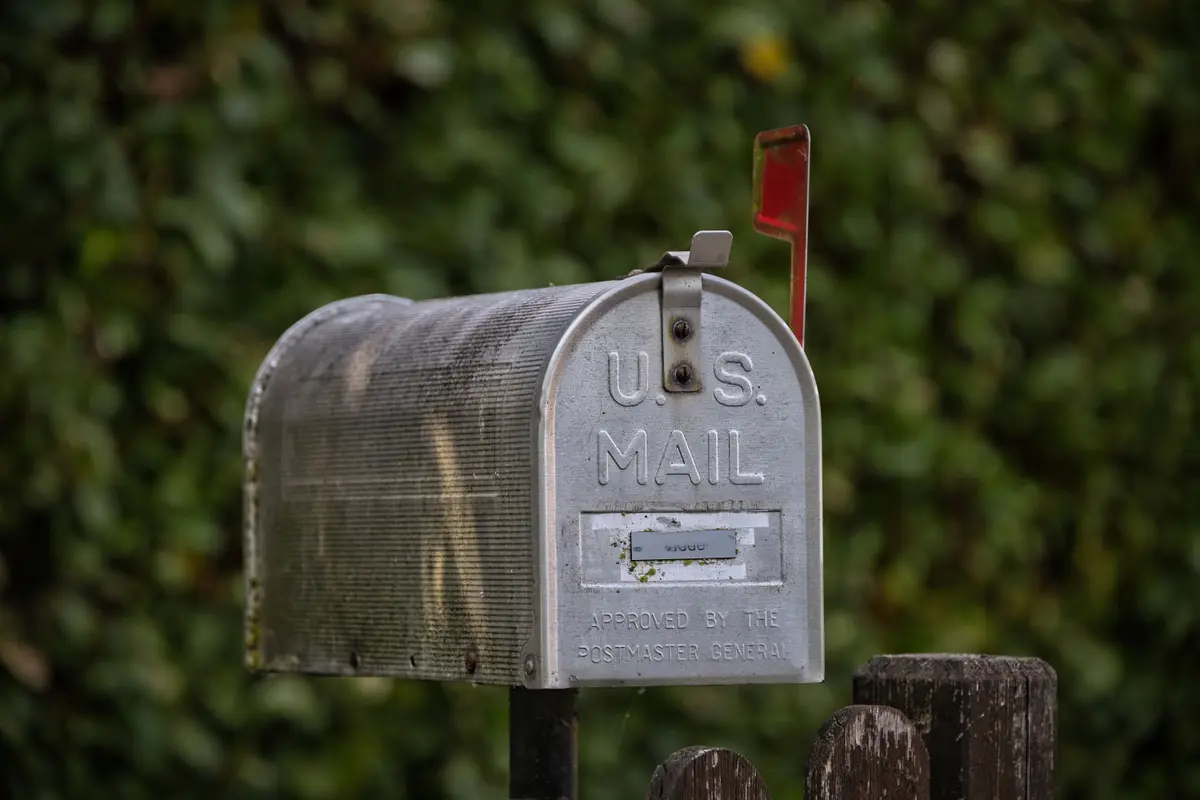
It is the oldest local tactic, and it is cheap to test. USPS Every Door Direct Mail sends a flyer to every address on the mail routes you pick. You choose routes on a map near the store. You do not need a mailing list.
Postage for a retail EDDM mailing is $0.26 a piece. You send at least 200 pieces per ZIP Code. Postage comes to $260 for 1,000 homes, before printing.
Make one mailing measurable
- Pick routes within a short drive of one store
- Print one offer that only this mailing carries
- Put the store’s address and hours on the front
- Ring up each use of the offer as its own button
- Count uses against the same weeks last year
Why do the map listing and reviews belong in the plan?
Your store’s Google listing is often the first thing a neighbor sees. Google says local results are “mainly based on relevance, distance, and popularity.” It also says there is “no way to request or pay for a better local ranking.” So the listing is a weekly chore, not a purchase.
Reviews are part of that chore. In a BrightLocal survey of US consumers, 44% said a review posted in the last month matters. 37% said an owner’s reply to the review matters.
Keep the hours right, add fresh photos and answer every review. Our guide on getting more Google reviews covers the asking.
Where do creator visits fit in local store marketing?
A local food creator is a modern form of earned local media. Someone the neighbors already follow eats at one store and tells them about it. You choose creators whose followers live near that store. The video stays on their profile after the visit.
Pick the store
Start with the location that most needs new neighbors
Local followers, not national ones
Pick creators who live there
Their followers can drop by this week
A booked date and a short brief
The creator visits
A real meal at a normal service time
Within the agreed week
The video goes up
A hosted or paid meal is disclosed in the post
The weeks after
Count at that store
Ask new guests how they heard of you
A creator who got a free meal has to say so. Our guide on whether food influencers must disclose a free meal shows what that looks like.
You can run visits yourself, or hand them off. CreatoRain, which publishes this guide, runs creator visits store by store for chains and franchises. Each video costs $300, and the creator’s pay is included.
What should a franchisee check before spending?
Read your franchise agreement for these
- How much you must spend on local advertising
- Whether you must pay into a local co-op
- Which materials need head office approval
- Whether creator posts count as advertising
- Who owns the photos and videos you pay for
Under federal franchise rules, the disclosure document you got before signing describes the advertising program. It says whether you must join a local or regional co-op. Our guide on how a franchise advertising co-op works explains the money. Many brands also keep an approved kit of flyers, offers and social posts for each store. Using the kit is faster than writing your own and waiting for approval. A co-op may already buy media in your area, so check what it runs before you pay twice. For the rest of the store-level playbook, see how franchisees market their location.
How do you write a local plan for each store?
Keep it to one page per store. Give it one owner, and review it every month.
- Draw the trade area: the streets, offices and schools your guests come from. If you do not know, ask at the register for a week.
- Name one owner per store, usually the manager or franchisee.
- Set a monthly budget and a calendar of local dates.
- Fix the free things first: hours, photos and review replies.
- Pick two or three tactics a month and tie each to a slow daypart.
- Ask every new guest how they heard of you, and log it by store.
- Keep what moved, drop what did not, and repeat.
How do you know whether it worked?
Judge it the way you planned it: one store at a time. Compare each store’s sales with the same weeks a year earlier. Chains call this comparable sales. You can run that comparison for a single store.
| Measure | What it tells you | Where to get it |
|---|---|---|
| Sales against the same weeks last year | Whether the store is growing | Your point-of-sale reports |
| How new guests heard of you | Which tactic brought strangers in | One question at the register, logged by store |
| Uses of an offer from one tactic | Whether that tactic turned into visits | A button or code used nowhere else |
| Calls and direction requests | Whether more neighbors find you online | Your Google Business Profile performance page |
View counts on a post measure attention, not visits. For creator visits in particular, see how to tell if food influencers brought you customers.
What do chains get wrong about local store marketing?
Common mistakes
- Calling a national promotion local because every store runs it
- Judging each store by the system average, not its own past
- Leaving local work to whoever has a free afternoon
- Mailing or advertising outside the store’s trade area
- Inviting creators whose followers live in another city
- Waiting for a slow month before starting at a new store
Each of these is a planning problem, not a budget problem. A one-page plan with a named owner fixes most of them. Start with the store that most needs new neighbors. Run its plan for a month and keep the tactics that brought new guests in. Then copy them to the next store, and change what does not fit there. A campus store and an office-park store share a menu, not an audience.
Sources and method
Where each number comes from
- “$0.26” — Every Door Direct Mail (USPS). Read October 7, 2026.
- “200” — Every Door Direct Mail (USPS). Read October 7, 2026.
- “$260 for 1,000 homes” — Our arithmetic: 1,000 flyers at the USPS EDDM Retail postage price of $0.26 a piece, printing not included. Measured October 7, 2026.
- “44%” — Local Consumer Review Survey 2026 (BrightLocal, February 11, 2026). Read October 7, 2026.
- “37%” — Local Consumer Review Survey 2026 (BrightLocal, February 11, 2026). Read October 7, 2026.
- “$300” — As published on our pricing page.
Pages quoted in this article
- Every Door Direct Mail (USPS) Read October 7, 2026.
- Tips to improve your local ranking on Google (Google Business Profile Help) Read October 7, 2026.
- Local Consumer Review Survey 2026 (BrightLocal, February 11, 2026) Read October 7, 2026.
Related questions
All 5 guides on Local & Google →Run more than one location? See how CreatoRain works for restaurant chains. See real campaigns in our case studies.