Should I pay food influencers or just give them a free meal?
You invite a food creator for dinner on the house. The reply comes during Friday prep. They’d love to come, and here is their rate for one reel. The meal may be enough. The question is what it can fairly buy.
Start with a comp meal for the creator and any guest you allow. You pay the whole table’s bill, so set guest and drink rules first. Pay a fee for more videos, more locations or ad rights. Check a creator’s audience before paying for one post. Neither deal buys praise or guarantees a post. Put the terms in writing.
CreatoRain Team8 min read
CreatoRain is a done-for-you restaurant influencer marketing service for chains and franchises: CreatoRain's in-house team finds, invites and pays food creators and follows up until each video is posted.

What is the difference between a comp meal and a fee?
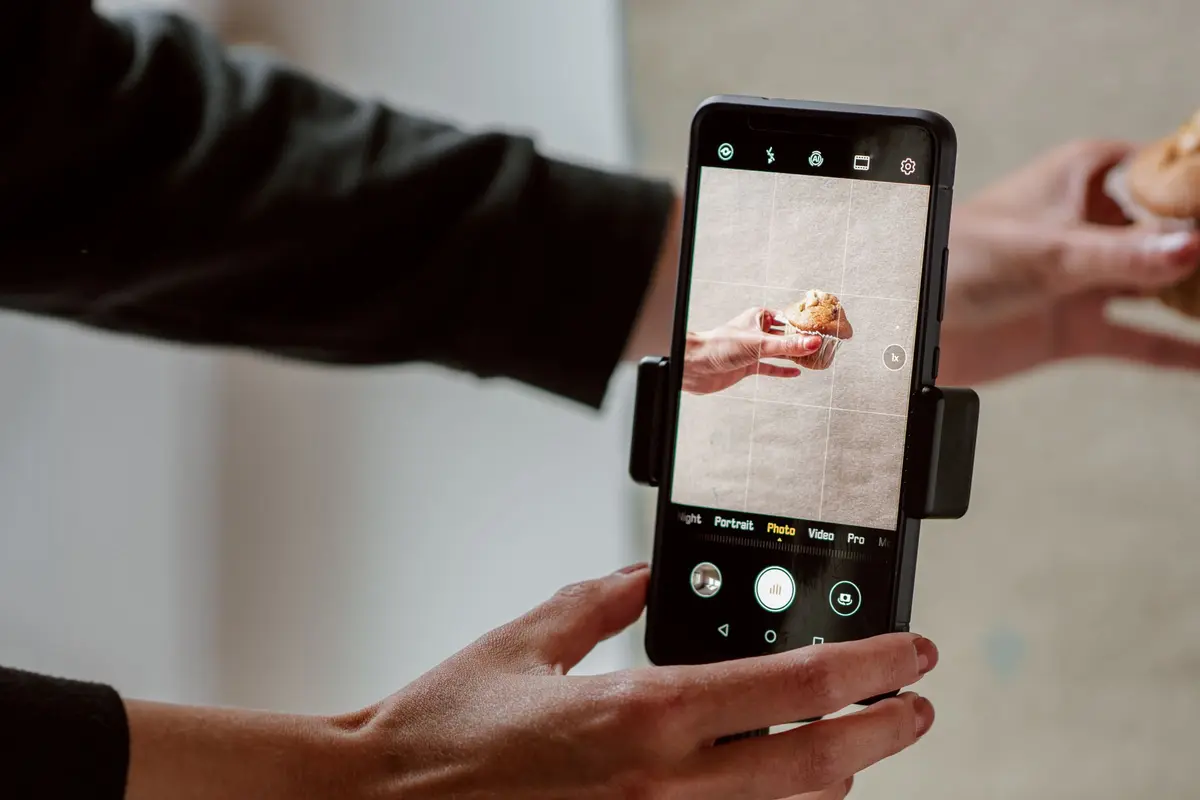
A comp meal (comp is short for complimentary) is a free meal for a food influencer’s visit, so they can film it and post about it. You decide what it covers: how many people, drinks and alcohol, a full menu or a set selection, and the tip.
A fee, sometimes called a paid post, is money for finished content: a set number of videos, on the platforms you name, by a date you agree. The creator still has to eat at your restaurant to film it. So unless they pay their own bill, the real choice is a comp meal on its own, or a fee plus a comp meal.
If a creator asks for money on top of the meal, whatever they call it, that is a fee. Either way, the post has to say the meal was free or paid, and the last section covers how.
Will creators come for the meal alone?
- are willing to work for free products
- 93%
- would only work with a brand offering high-value products
- 15%
So a price in reply to your invitation is an opening offer, not a no. In a Modash survey of 74 marketers, mostly selling online, published May 2026, about four in 10 marketers use barter deals, where a post is expected in exchange. Another 41.9% use a mix, and fewer than one in six give product with no strings at all.
A post is expected in exchange
50%No strings attached
43.8%
The gap is small, but it points one way: name the post you hope for when you invite.
What can you ask for with each deal?
| What you are weighing | Comp meal | Fee plus comp meal |
|---|---|---|
| What it costs you | The bill for everyone at the table | The creator’s fee for each finished video, plus that bill |
| What you can fairly ask for | A visit and one post on the platform you named, by a date, in writing | A written list: how many videos, which platforms, by what date |
| When it fits | One post is enough, and the creator is glad to come for the meal | You want more than one video, several locations, a promise not to promote rivals, or the right to run the video as an ad |
| If the video never goes up | You’re out the bill. You can set one new date. | You’re out the bill and anything you paid up front. You keep the part of the fee you held back, and you can set one new date. |
What does starting with the meal look like?
What should you do if a creator asks for a fee?
If a creator answers a comp-meal invitation with a price, look past the follower count before you weigh the number. Two questions matter: are the followers real people, and do they live in your city?
- Ask which cities most of their followers are in, and ask to see it, not just hear it.
- Read the comments on their last few posts. People asking where a place is, or saying they went, are a good sign. Rows of emoji from accounts you can’t place tell you little.
In June 2026, the LA Times reported that Hollywood Thai in Los Angeles paid a creator with a large Instagram following to post one reel. A community note on his post about the restaurant questioned where his followers came from, and he denied buying them. The social media manager who arranged the deal told the paper: “I should have looked further into the engagement.”
What does a comp meal really cost?
A comp meal costs whatever lands on the table, so the guest count matters more than the price of any one dish.
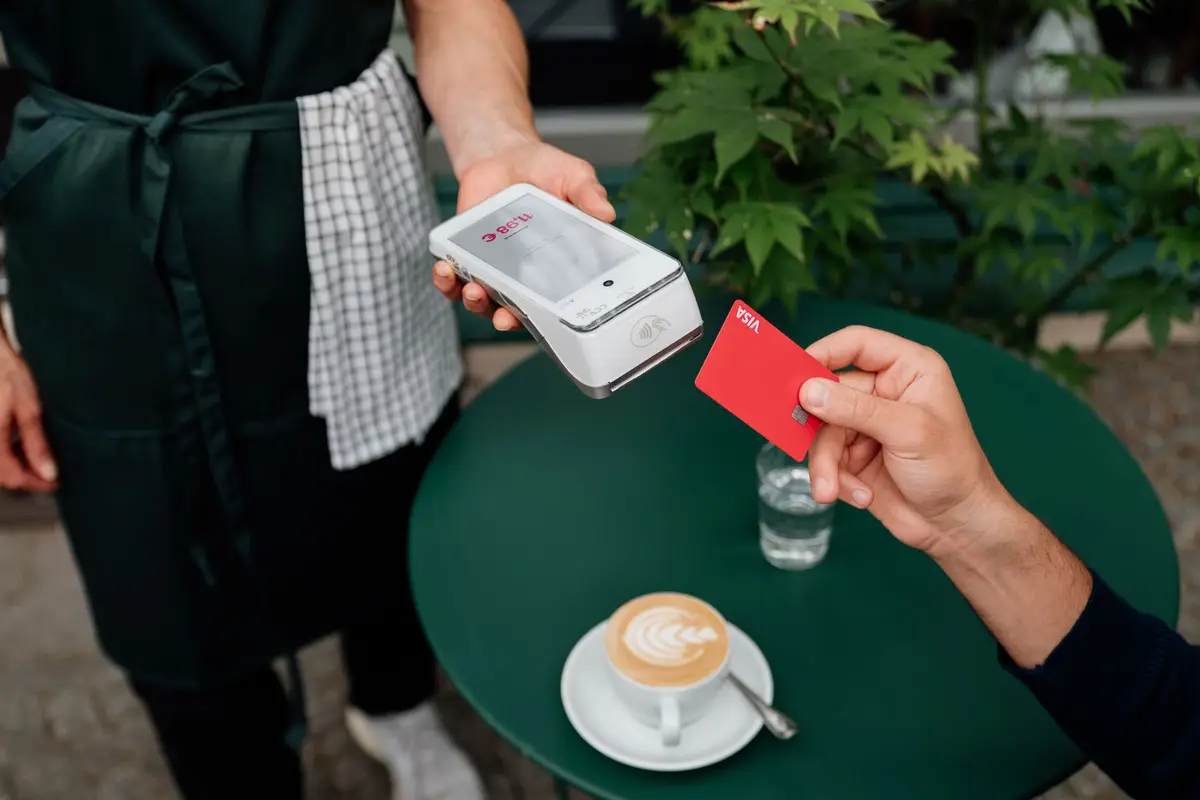
One multi-restaurant campaign on CreatoRain, the service that publishes this guide, invited creators to eat at its restaurants. The campaign page described the meal as “a complimentary meal for two”, and some creators were also offered a fee. Of the 13 table requests still on file, 12 were for two people, the number the page named, and one was for three. So put the number in your invitation, and decide before anyone asks what you will say to a bigger party.
The LA Times reported on Men & Beasts, a plant-based Chinese restaurant in Echo Park. Its owners agreed to a meal for a creator and her sister in exchange for one reel, one TikTok and one story mention, co-owner Alex Falco said. She named other influencers and publications she said were coming, and Falco said he ended up feeding six. The meal came to just under $500. Falco said the creator posted only stories that disappeared after a day, never the reel or the TikTok.
Men & Beasts: a meal that grew to six guests
just under $500Hollywood Thai: a fee for one reel, plus food
$500 and nearly $100 of foodRelentless Brewing: a birthday party, for one video
$800 of food and drink, plus $400 more
How should you price a fee, and when do you pay it?
Decide these before you ask for a price
- How many videos you want, and on which platforms
- How many of your locations they should cover
- Whether the creator must not promote a competing restaurant for a while
- Whether you may run the video as an ad, and for how long
Then ask for the creator’s rate for each finished video, in writing, before the visit. A price per video ties the fee to work you can see; ask two or three creators in your city to price the same list. For a sense of scale, Collabstr says micro-influencers on its marketplace average $198 per collaboration, based on more than 15,000 collaborations there; restaurant deals add the meal.
The LA Times gave the price of one paid deal, at Hollywood Thai. The creator said his manager asked $575 to post one reel, and the owners agreed to a payment of $500 and nearly $100 of food. The owner has since said, “I’m not gonna pay anybody to come in like that anymore,” so treat it as one deal, not a going rate.
Your written list
Videos, platforms, locations, ad use, due date.
Before the visit
The creator’s price per video, in writing
If you split it
The first part of the fee
Or nothing yet, if you pay on delivery.
The visit
The video goes live
Once it is live
The rest of the fee
Ask your accountant about Form 1099-NEC
The IRS page on Form 1099-NEC tells a business to report what it pays for services to someone who isn’t an employee. The page names the threshold: “payments totaling $600 ($2,000 for payments made after December 31, 2025) or more during the calendar year.” Ask your accountant whether that covers your creator fees, and whether comp meals count.
What does neither deal buy?
Paying a creator pays for the videos you agreed on, not for their opinion. The FTC says endorsements must reflect the endorser’s honest opinions or experiences. Its guide for creators says a paid creator who thought a product was terrible can’t call it terrific. If the food misses, an honest post can say so, so invite creators on a night when your kitchen is at its best.
| Who | What it says |
|---|---|
| FTC Endorsement Guides FAQ | You can’t make an incentive, such as a discount, depend on a review being positive. |
| Google Maps content policy | No offering incentives such as payment or free goods in exchange for a review; reviews posted because of one will be removed. |
| Yelp advice to business owners | Don’t offer freebies, discounts or payment for reviews. |
Keep Google and Yelp out of the deal entirely: you are paying or comping for a video, never a star rating.
What should you put in writing?
Whether you pay or comp, send the terms in writing before the visit.
What every invitation should spell out
- How many videos, on which platforms, and by what date
- Who the meal covers: how many people, drinks and alcohol, and the tip
- The fee per video, if there is one, and when it is paid
- How the creator will disclose the meal or the fee
- Who may reuse the video, where, and for how long
- One new date if the first one passes
Asking for a date is no guarantee. Relentless Brewing and Spirits in Eagle Rock hosted a birthday party for a creator’s friend in exchange for a video. Co-owner Doris Hess told the LA Times she provided $800 of food and drink, plus $400 more that her social media manager paid later. She wanted the video before the brewery’s anniversary in June 2025; it went up in April 2026, after she told the story online.
What you can do when the date passes depends on the deal. With a fee, you hold back the part you pay once the video is live. With a comp meal, the date you wrote down and one new date are all you have. You might write: “If the video isn’t up by the date we agreed, let us know, and we’ll set one new date.” If that passes too, stop inviting that creator, and see what to do when a food influencer never posts. If a lot rides on reusing the video, on your own accounts or as an ad, ask a lawyer.
How should the creator disclose the meal or the fee?
| The deal | What the post should say |
|---|---|
| Comp meal | A clear thank-you to your restaurant, by name, for the free meal, where viewers can’t miss it |
| Fee plus comp meal | “Ad” or “sponsored”; a hashtag like #ad is fine but not required |
| Either one | The platform’s own paid-content label as well, such as TikTok’s commercial content disclosure toggle |
A free meal and a fee both need disclosing. For free meals, the FTC’s Endorsement Guides FAQ is plain. “If you get free meals from a restaurant that you review, you should let your readers know so they can weigh that factor for themselves.” Its guide for creators adds that a simple thank-you placed where it is hard to miss is often enough.
The FTC also says not to rely on a platform’s disclosure tool alone. On TikTok, a post that promotes or reviews a brand in exchange for payment or any other incentive counts as branded content, and the creator must turn the toggle on. For the rules in full, see Does a food influencer have to disclose a free meal?
Where should you start if you are unsure?
Pick one creator
One whose restaurant posts in your city you already like.
Invite
One post, one date
Name who the meal covers and how to disclose it.
After the video goes up
Two weeks of listening
Ask new guests how they heard about you; read the comments.
If it brought people in
Ask for a second video, paid per video
Before the creator comes in, write down what would make you do it again, so the result can’t talk you into or out of anything.
Call the first visit a success if
- The video went up by the date you agreed
- It was on the platform you named
- It showed your food as it really is
- The visit was easy on your staff
- New guests or comments mention it
If nothing is up by the date you agreed, check in once. A fee is easier to add to a relationship that works than to take back from one that doesn’t.
Sources and method
Where each number comes from
- “Of the 13 table requests still on file, 12 were for two people” — From CreatoRain’s booking records for one multi-restaurant campaign, read in September 2026. That campaign offered creators a meal for two, which likely shaped the party sizes. Measured September 18, 2026.
- “93%” — Aspire’s 2024 influencer marketing report, as reported by Net Influencer (March 15, 2024). Read October 1, 2026.
- “15%” — Aspire’s 2024 influencer marketing report, as reported by Net Influencer (March 15, 2024). Read October 1, 2026.
- “Aspire’s 2024 report” — Aspire’s 2024 influencer marketing report, as reported by Net Influencer (March 15, 2024). Read October 1, 2026.
- “about four in 10 marketers use barter deals” — The State of Influencer Gifting in 2026 [Survey Data] (Modash, May 22, 2026). Read October 1, 2026.
- “41.9%” — The State of Influencer Gifting in 2026 [Survey Data] (Modash, May 22, 2026). Read October 1, 2026.
- “fewer than one in six” — The State of Influencer Gifting in 2026 [Survey Data] (Modash, May 22, 2026). Read October 1, 2026.
- “74 marketers” — The State of Influencer Gifting in 2026 [Survey Data] (Modash, May 22, 2026). Read October 1, 2026.
- “May 2026” — The State of Influencer Gifting in 2026 [Survey Data] (Modash, May 22, 2026). Read October 1, 2026.
- “50%” — The State of Influencer Gifting in 2026 [Survey Data] (Modash, May 22, 2026). Read October 1, 2026.
- “43.8%” — The State of Influencer Gifting in 2026 [Survey Data] (Modash, May 22, 2026). Read October 1, 2026.
- “average $198 per collaboration” — What Influencers Really Cost in 2025 (Collabstr). Read October 1, 2026.
- “more than 15,000 collaborations” — What Influencers Really Cost in 2025 (Collabstr). Read October 1, 2026.
- “June 2026” — Restaurants are paying influencers for promotional posts. How messy can it get? (Stephanie Breijo, Los Angeles Times, June 2026; read via The Spokesman-Review reprint of June 29, 2026). Read September 18, 2026.
- “asked $575 to post one reel” — Restaurants are paying influencers for promotional posts. How messy can it get? (Stephanie Breijo, Los Angeles Times, June 2026; read via The Spokesman-Review reprint of June 29, 2026). Read September 18, 2026.
- “a payment of $500 and nearly $100 of food” — Restaurants are paying influencers for promotional posts. How messy can it get? (Stephanie Breijo, Los Angeles Times, June 2026; read via The Spokesman-Review reprint of June 29, 2026). Read September 18, 2026.
- “$500 and nearly $100 of food” — Restaurants are paying influencers for promotional posts. How messy can it get? (Stephanie Breijo, Los Angeles Times, June 2026; read via The Spokesman-Review reprint of June 29, 2026). Read September 18, 2026.
- “just under $500” — Restaurants are paying influencers for promotional posts. How messy can it get? (Stephanie Breijo, Los Angeles Times, June 2026; read via The Spokesman-Review reprint of June 29, 2026). Read September 18, 2026.
- “$800 of food and drink” — Restaurants are paying influencers for promotional posts. How messy can it get? (Stephanie Breijo, Los Angeles Times, June 2026; read via The Spokesman-Review reprint of June 29, 2026). Read September 18, 2026.
- “$400 more that her social media manager paid later” — Restaurants are paying influencers for promotional posts. How messy can it get? (Stephanie Breijo, Los Angeles Times, June 2026; read via The Spokesman-Review reprint of June 29, 2026). Read September 18, 2026.
- “$800 of food and drink, plus $400 more” — Restaurants are paying influencers for promotional posts. How messy can it get? (Stephanie Breijo, Los Angeles Times, June 2026; read via The Spokesman-Review reprint of June 29, 2026). Read September 18, 2026.
- “payments totaling $600 ($2,000 for payments made after December 31, 2025) or more during the calendar year” — Form 1099 NEC & Independent Contractors | Internal Revenue Service (page last reviewed or updated 23-Sep-2026). Read September 29, 2026.
Pages quoted in this article
- Aspire’s 2024 influencer marketing report, as reported by Net Influencer (March 15, 2024) Read October 1, 2026.
- The State of Influencer Gifting in 2026 [Survey Data] (Modash, May 22, 2026) Read October 1, 2026.
- What Influencers Really Cost in 2025 (Collabstr) Read October 1, 2026.
- Disclosures 101 for Social Media Influencers | Federal Trade Commission Read September 18, 2026.
- FTC’s Endorsement Guides: What People Are Asking | Federal Trade Commission Read September 18, 2026.
- Branded Content Policy | TikTok (published 4 August 2026, effective 31 August 2026) Read September 18, 2026.
- Prohibited & restricted content - Maps User Generated Content Policy Help | Google Read September 18, 2026.
- Don’t Ask for Reviews | Yelp Support Center Read September 18, 2026.
- Form 1099 NEC & Independent Contractors | Internal Revenue Service Read September 29, 2026.
- Restaurants are paying influencers for promotional posts. How messy can it get? (Stephanie Breijo, Los Angeles Times, June 2026; read via The Spokesman-Review reprint of June 29, 2026) Read September 18, 2026.
Related questions
All 12 guides on Working with creators →Run more than one location? See how CreatoRain works for restaurant chains. See real campaigns in our case studies.