What should I do if a food influencer eats for free and never posts?
The creator ate on the house on a Friday and filmed the noodle pull from every angle. They thanked the staff on the way out. Weeks later, their feed shows nothing. Your next message decides whether you get the post or an argument.
Check what was agreed. Once the agreed date passes, send a short note. Ask how the meal was and when the post is coming. If no date was set, ask for one. If a second note a week later gets no reply, stop. Don’t ask for a Google or Yelp review instead. Keep it private, and don’t invite them again.
CreatoRain Team8 min read
CreatoRain is a done-for-you restaurant influencer marketing service for chains and franchises: CreatoRain's in-house team finds, invites and pays food creators and follows up until each video is posted.

Which kind of “never posted” do you have?
| What happened | What to send | Invite them again? |
|---|---|---|
| Late. The date you agreed has passed, and nothing has gone up | Ask when it’s coming, then agree on one new date, in writing | Yes, if it goes up by then |
| No date. They agreed to post, but no date was set | Ask for a date | Yes, if it goes up by the date they give |
| Story only. A Story, which Instagram says will disappear after 24 hours, went up instead of the reel or TikTok you agreed on | Ask for the post you agreed on, with a date | Only if that post follows |
| Didn’t like it. The creator tells you the meal or the service missed | Thank them, and let the post go | Your call |
| Nothing promised. You hosted the meal but never asked for a post | A thank-you; there is nothing to chase | Yes, with the post named in the invitation |
Throughout this guide, a comp meal means a free meal you gave a creator hoping for content. Only the first three rows are a post that is actually owed, and even then the right first message is a question, not a complaint.
What does it look like from behind the counter?
Most missing posts end like Mai’s did, quietly, with a reason you couldn’t have guessed. The rest of this guide is how to get there without burning the relationship, and what to do when the reply never comes.
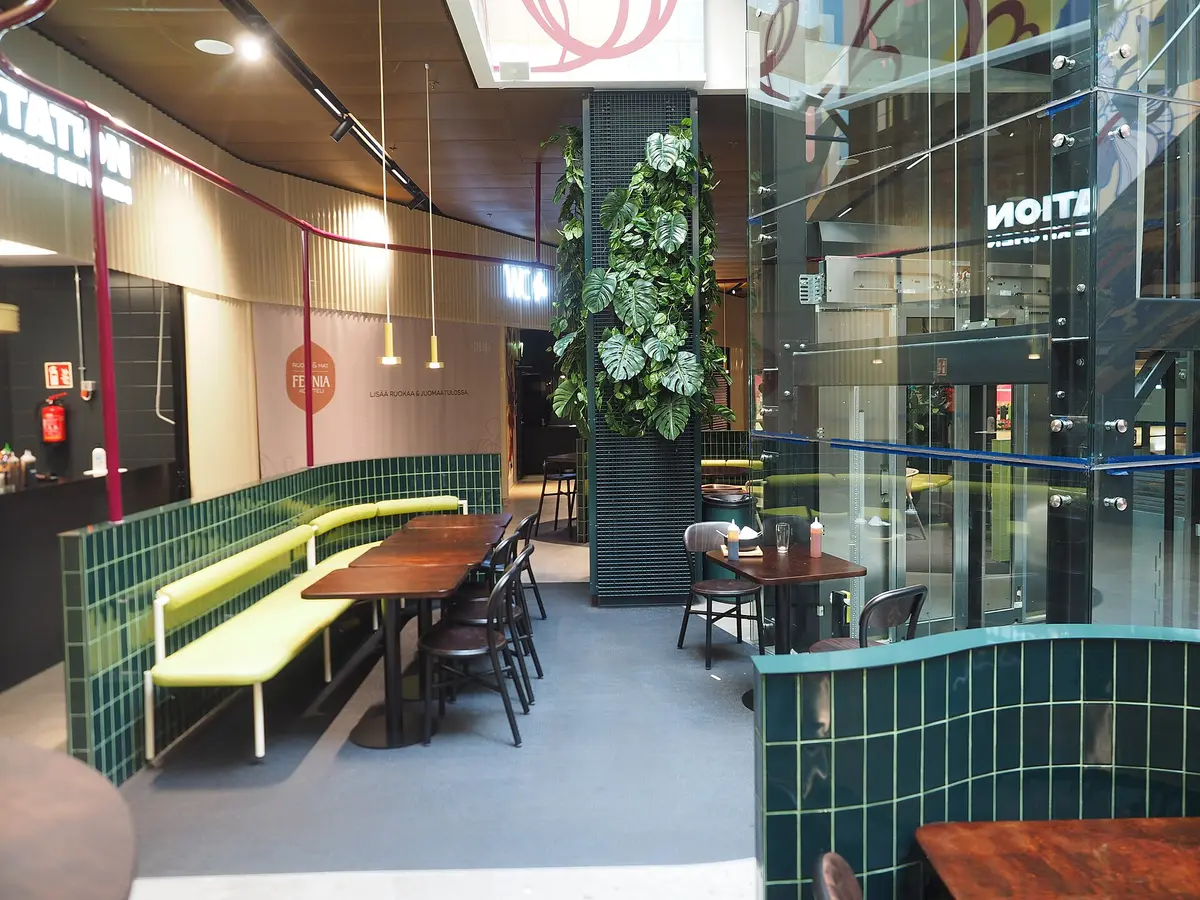

What should you check before you chase?
What you can fairly ask for depends on what was said before the meal. If it is in writing, you have something to point to. If not, you are asking a favor, and your message should sound like one. Spoken understandings are easy to dispute. A Los Angeles Times story, reprinted by The Spokesman-Review, reported one such case. A creator the restaurant had paid as well as fed said the owner had told him to take his time, up to “a couple months.” The owner denied it. The creator’s videographer, who was at the shoot, said the owner had said there was no rush. The creator and his videographer now require signed contracts before they film a restaurant.
A date in writing won’t make a creator post, but it settles whether they’re late. If you agreed on a post out loud but never set a date, don’t treat the post as missing yet. Ask for a date first, in the same thread, and start counting from that.
Find these in your messages before you write
- Which post you asked for: a reel, a TikTok, or a Story
- The date it was due, if one was set
- Who the meal covered, and how many guests came
- Whether any of it is in writing, or only said out loud
And make sure you actually asked for a post. If you never did, there is nothing to chase; name the post in your next invitation instead. Some creators turn down invitations that require one. Allie Tong, a food creator, told The Almanac that if a restaurant requires a specific type of content in exchange for free food, she declines. Novi Mitchell, another creator, said she declines such collaborations too. Naming a post may cost you creators like them, but it means you both know what is owed.
Could a missing post mean they didn’t like the meal?
Some creators and food writers won’t post about a meal they didn’t enjoy. Tina Lopez, who posts on TikTok and Instagram, told The Almanac that when a meal is terrible she lets the restaurant know her concerns and doesn’t post about it. Carolyn Jung is a former newspaper food journalist who now runs a food blog. She said that when a small mom-and-pop restaurant serves her a terrible meal, she just doesn’t write about it. A small place, she said, may have had a bad day or a bad week.
So open with the meal, not the post. Asking how the food and service were gives a creator who didn’t enjoy the visit room to say so, which is worth hearing even if no post ever comes. If they tell you the meal missed, thank them and let the post go, then pass what they said to the kitchen as you would any guest’s complaint.
How many messages should you send before you stop?
Decide how many messages to send before you start; we suggest two. Send the first once the agreed date has passed or, if no date was set, a couple of days after the visit. Keep each one short: the day they came in, what you agreed, a question about the meal, and something that makes posting easier, like the dish names.
- say creators go quiet on free-product deals more often than on other collaborations
- 90.5%
- send two or three follow-ups after the product arrives
- 74.3%
If they reply with a reason, agree on one new date in the same thread. Know who else is writing to them, too. If you booked through CreatoRain, a done-for-you creator video service for restaurant chains and franchises, it emails each creator two days after the visit. It asks how the visit went, and for the link once the video is live. After that, its in-house team follows up by hand until the video is posted. By default, CreatoRain checks the videos. The content approval page shows how, and how you can turn on review before a video posts. If you book creators through any platform, check what it sends before you assume someone else is following up.
Should you call the creator out in public?
If a creator ate for free and never posted, handle it in private messages, not in a public post. Over a free meal, a public callout is unlikely to get you the post, and it makes your restaurant part of the dispute.
In a Los Angeles Times story, reprinted by The Spokesman-Review, three restaurants went public over a missing post, and the results split on money. The two paid deals got their videos after going public, though one of those creators then said the restaurant had defamed him and that he was involving his attorney. At the one that had given only a meal, the co-owner said the creator never posted a reel or TikTok. With a fee, public pressure has something to pull on. With a comp meal, the post probably won’t come, and the argument happens in public.
What to do instead of going public
- Let your second message be the last word
- Don’t invite that creator again, and don’t announce why
- Keep the whole thread and delete nothing: it shows what you asked for and what happened
- If you ever do post, stick to what was agreed and what happened, and leave out guesses about why
Should you treat the meal as spent?
A comp meal is a cost you carry up front: it is served before any post exists, and it stays spent whether or not the post comes. Count it as marketing already paid for, and put your effort into the next invitation, not the last bill. If you also paid the creator a fee, that is a question for a lawyer.
Don’t swap the missing post for a Google or Yelp review, either. That turns the meal into an incentive for a review, and both platforms forbid it in plain words.
| Platform | What its policy says |
|---|---|
| Google Maps content policy | Merchants may not “Offer incentives – such as payment, discounts, free goods and/or services - in exchange for posting any review”; incentivized reviews “are not allowed and will be removed from Maps.” |
| Yelp advice to business owners | “Don’t offer freebies, discounts, or payment in exchange for reviews—it will turn off savvy consumers and may also be illegal.” |
Yelp goes further than Google. It tells businesses “Don’t ask anyone to review your business,” and warns that its software “may not recommend reviews that seem to be prompted or encouraged by the business.” So even a polite ask, with no meal attached, can cost you.
What should you check before you say yes next time?
Before you say yes, scroll the creator’s recent restaurant posts: do they go up regularly, tag the restaurant and say when a meal was hosted? If not, you can say no. Turning a creator down before the visit costs you nothing; after it, the meal is already spent.
Put these in every invitation
- The format you’re hoping for: a reel, a TikTok or both
- Whether a Story counts on its own
- The date the post should be up by
- How many guests the meal covers
Creators do ask to bring friends. Yong Wu, owner of Sushi Ai in Redwood City, told The Almanac he has had influencers ask to bring upwards of six friends, and he has said no. If a creator says others are coming, ask who they are before the night. Our guide to inviting food influencers covers choosing creators and what to put in the invitation.
Who gets invited back?
The most useful thing a comp meal tells you is whether the creator did what they said, when they said. Keep a simple record of each visit, and let it decide the next invitation list.
What to write down after every visit
- Who came, and how many guests the meal covered
- What you agreed in the invitation
- Whether the post went up, and how late
- Whether it tagged the restaurant and said the meal was free
- Whether the creator answered your messages, and fixed the post if you asked
A creator who ran late but answered, agreed on a new date and then posted is worth another invitation. One who went quiet after two messages is not.
If a post doesn’t say the meal was free, ask the creator to fix the post itself. For a video, the FTC’s guidance is to put the disclosure in the video, not only in the caption. Our guide to disclosing a free meal covers what the FTC expects and how to get a post fixed.
Sources and method
Where each number comes from
- “emails each creator two days after the visit” — From CreatoRain’s own booking email settings, checked in September 2026. Measured September 30, 2026.
- “90.5%” — The State of Influencer Gifting in 2026 [Survey Data] (Modash, May 22, 2026). Read October 1, 2026.
- “74.3%” — The State of Influencer Gifting in 2026 [Survey Data] (Modash, May 22, 2026). Read October 1, 2026.
- “74 brand marketers” — The State of Influencer Gifting in 2026 [Survey Data] (Modash, May 22, 2026). Read October 1, 2026.
- “May 2026” — The State of Influencer Gifting in 2026 [Survey Data] (Modash, May 22, 2026). Read October 1, 2026.
- “disappear after 24 hours” — Stories (Instagram). Read October 1, 2026.
Pages quoted in this article
- The State of Influencer Gifting in 2026 [Survey Data] (Modash, May 22, 2026) Read October 1, 2026.
- Stories (Instagram) Read October 1, 2026.
- Restaurants are paying influencers for promotional posts. How messy can it get? (Stephanie Breijo, Los Angeles Times, reprinted by The Spokesman-Review, June 29, 2026) Read September 18, 2026.
- How food influencers fit into Silicon Valley’s restaurant industry (Adrienne Mitchel, The Almanac, December 3, 2025) Read September 18, 2026.
- Prohibited & restricted content — Maps User Generated Content Policy (Google) Read September 18, 2026.
- Don’t Ask for Reviews (Yelp Support Center) Read September 18, 2026.
- FTC’s Endorsement Guides: What People Are Asking (Federal Trade Commission) Read September 18, 2026.
Related questions
All 12 guides on Working with creators →Run more than one location? See how CreatoRain works for restaurant chains. See real campaigns in our case studies.