How do you find food creators who post in Spanish?
Search your city on TikTok in English. Then search it again in Spanish. Type “dónde comer en” and the name of your town. The second list shows other creators, other dishes and a different crowd of locals asking for directions.
Search in Spanish, not in English. Type local phrases like “dónde comer en” plus your city. Open the comments and check that locals ask where the place is. Use a creator tool’s language filter if you have one. Then brief them in their language, checked by a native speaker.
CreatoRain Team7 min read
CreatoRain is a done-for-you restaurant influencer marketing service for chains and franchises: CreatoRain's in-house team finds, invites and pays food creators and follows up until each video is posted.

Why look for creators who post in Spanish?
Because a large share of your neighbors may scroll in Spanish first. The Census Bureau counts Spanish as the most common language at home after English. In estimates released in December 2023, 61.1% of people who spoke another language at home spoke Spanish.
- of Hispanic adults say they use Instagram
- 62%
- of people who speak another language at home speak Spanish
- 61.1%
Those viewers are on the apps you already use. In a Pew Research Center survey, 62% of Hispanic adults said they use Instagram. That was a larger share than among White, Asian or Black adults.
English-language searches miss most of the creators those viewers follow. The apps rank posts partly by the words in them. A creator who captions in Spanish rarely shows up when you type “tacos near me.” So the first job is to change what you type.
What should you type into the search bar?
| Type this | What it tends to find |
|---|---|
| “dónde comer en” + your city | Roundups of places to eat, often by locals |
| “tacos en” or your own dish + “en” + city | Single-dish reviews from people who order it often |
| “restaurantes nuevos en” + city | Opening visits, useful near a new store |
| “lugares baratos para comer” + city | Value-focused creators with family audiences |
| “comida” + city, as one hashtag | Creators who tag every post with the town |
Run each search on TikTok, Instagram and YouTube. Swap the city for a neighborhood or a nearby suburb. Write down every creator who appears twice. Repeat names are people who post about your area often, not once. Our guide to finding food creators has the full method in English. Keep the Spanish list beside it.
One search session, start to finish
- Run each phrase on TikTok, Instagram and YouTube
- Swap the city for a neighborhood or a nearby suburb
- Note every creator who shows up twice
- Try a mixed phrase, like “food spots en” plus the city
Try the mixed forms too. Many creators caption in English and talk in Spanish, or mix both in one sentence. A search for “food spots en” plus the city catches them. So does a dish name followed by the city and the word “recomendaciones.”
How do you tell that a creator’s followers are local?
Read the comments before you read the follower count. A local audience leaves a trail. People ask which street the place is on. They tag a cousin and say they should go on Sunday. They name another taquería across town.
Signs a Spanish-language creator reaches your area
- Comments ask for the address or the hours
- Followers name nearby streets, schools or parks
- Most recent posts are from your metro area
- Comments are in the language the creator posts in
- The creator replies to questions about price or parking
Watch for the opposite pattern too. Comments made only of emojis, or in a language the creator never uses, can point to bought followers. A creator with modest numbers and real questions in the comments beats a larger account with neither.
Can a creator tool filter by language?
Yes, if you use one. TikTok’s own marketplace, TikTok One, lets you filter creators by language. Its help page says creator details include “country/region, follower count, follower gender ratio, language, and more.”
What to check on each profile in a creator tool
- The language the creator posts in
- The country or region of the audience, not only the creator
- Where the last few videos were filmed
- Whether the comments match the stated language
A language filter tells you what a creator speaks, not where their viewers live. A creator in another country can post in Spanish and be watched by nobody near your store. You can also search that marketplace by keyword. The same page says it finds “creators who have posted content with that keyword.” So type a Spanish dish or phrase there, then still read the comments.
Should you pick bilingual or Spanish-only creators?
Many of your Spanish-speaking customers likely mix both languages. In a Pew survey from August 2022, 75% of Latino adults said they can hold a conversation in Spanish “pretty well or very well.” And 63% said they speak Spanglish, a mix of the two, at least sometimes.
| Creator posts in | Fits a store where |
|---|---|
| Spanish only | Many regulars order in Spanish, and staff can answer |
| Both, switching between posts | The trade area mixes language groups |
| Mixed Spanish and English in one video | Younger regulars and families eat together |
That makes bilingual creators a safe start for most stores. Add Spanish-only creators where your counter staff already take orders in Spanish. Their viewers will expect to be understood when they walk in.
How do you brief a creator in Spanish?
Write the brief in the language the creator posts in. Keep it to one page. Then have a native speaker on your team read it before it goes out. A brief that reads like a machine translation tells the creator how much you care.
What the Spanish brief should say
- The visit date, the time and who will greet them
- Two or three dishes to order, by their menu names
- The post date you both agreed on
- How to disclose the free meal, in Spanish
- Whether you may reuse the video in ads
- One contact who answers messages in Spanish
Translate the meaning, not the words. Slogans and jokes rarely survive a literal swap. Ask your native speaker to say the same idea the way a regular would. Then read it aloud together before it goes out.
What do Spanish-language food creators charge?
About the same as any creator of their size. Language does not set the price. Audience size and the work involved do. Shopify’s pricing roundup puts the smallest TikTok accounts, with 1,000 to 10,000 followers, at $5 to $200 per post.
- the smallest creator tier
- 1,000 to 10,000 followers
- the range for that tier on TikTok
- $5 to $200 per post
Many small local creators accept a meal for a first visit. Pay the ones who post on a schedule you set, or who make more than one video. Agree on the amount in writing, in the same message as the post date. Say what the fee covers, such as one video or a video and a story. Spanish-language creators in a smaller city may have fewer followers than English ones. Judge them by their comments, not by the count.
How do you get the store ready for the visit?
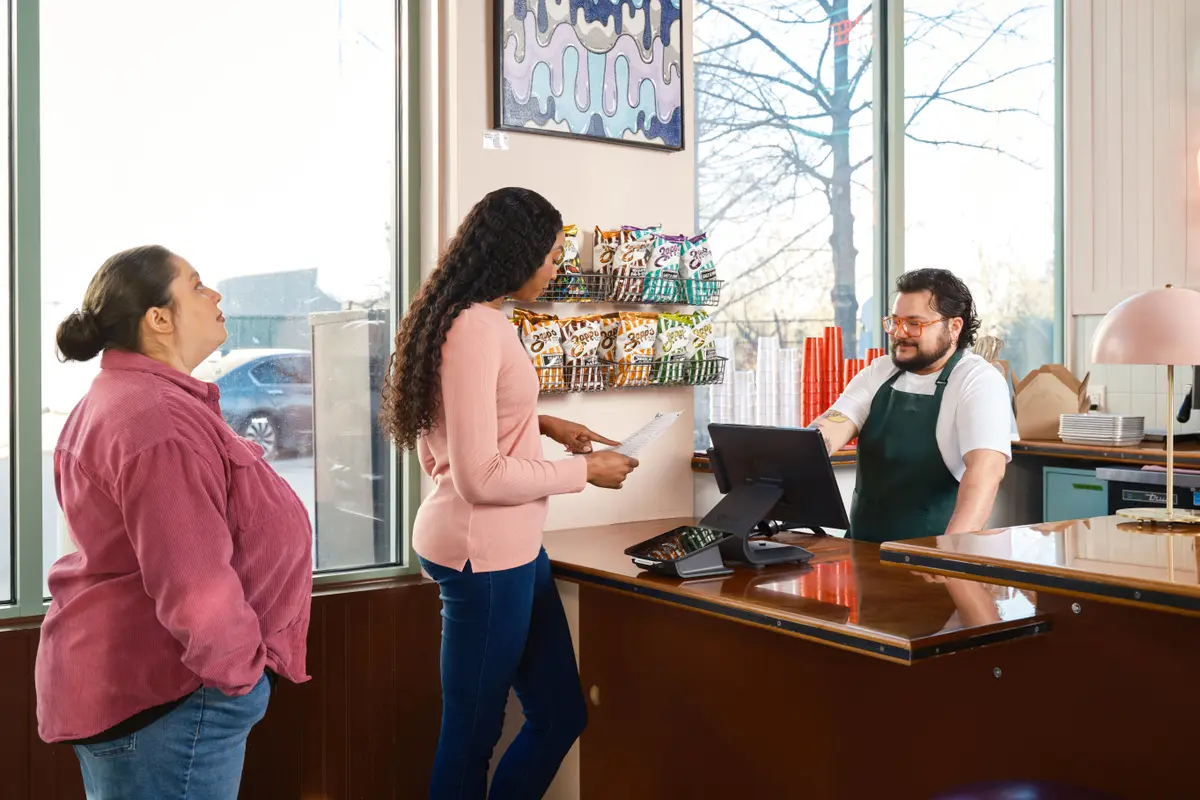
Put a Spanish speaker on the shift. The video sells the visit, but the counter keeps the customer. Viewers who found you in Spanish will order in Spanish. Make sure someone at the register can answer them.
Pick the shift
Choose a night when a Spanish-speaking manager or cashier is working.
that morning
Tell the team
Share the creator’s name, arrival time and the dishes in the brief.
on arrival
Greet them in Spanish
The person who greets them is the person they will film.
Serve the brief’s dishes
Plate them as a regular customer would get them.
before they leave
Confirm the post date
Say it again, out loud, in the language of the brief.
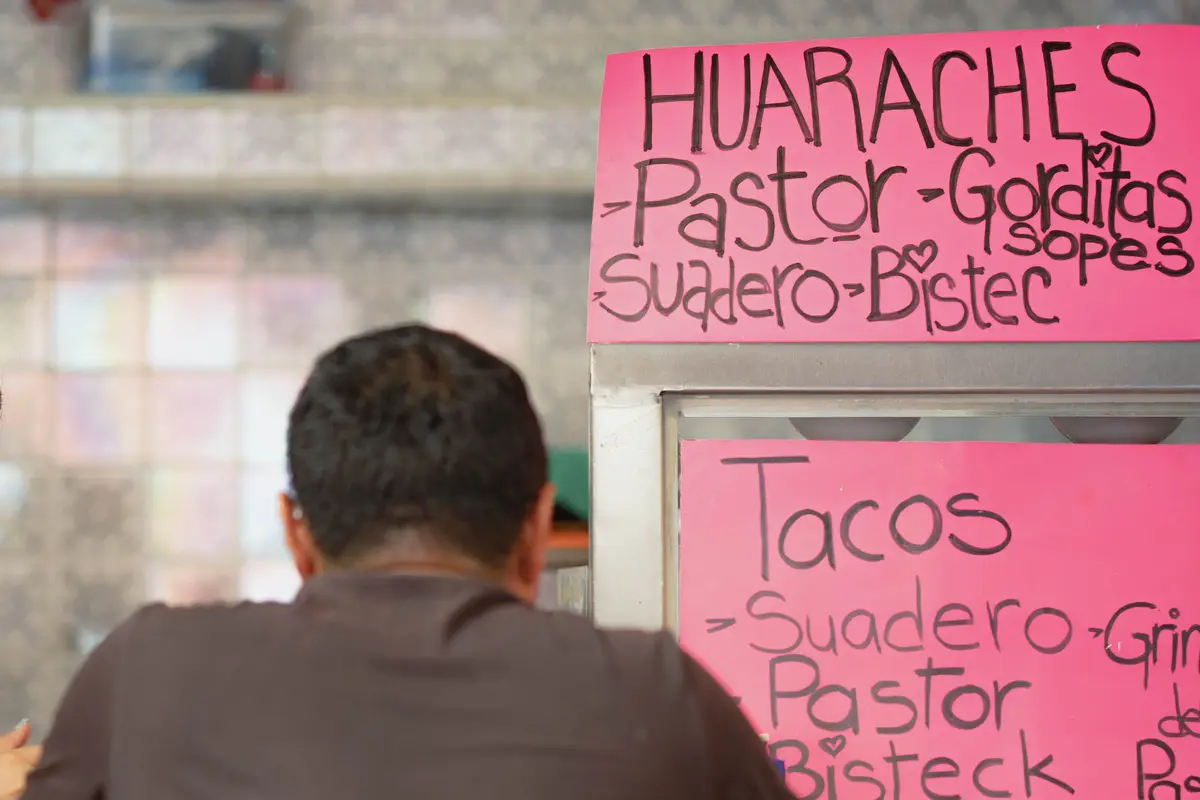
Check the menu board and the online menu too. If the video sends viewers who prefer Spanish, they will look for the dish named in it. A short Spanish line under each featured item is enough.
What does this look like at a larger franchise?
The steps match our one-month campaign plan. Only the language of the search, the brief and the greeting changes. A larger operator can test it at a few stores first.
Can you run a Spanish video as a paid ad?
Yes, with the creator’s written permission. Boost it on the app where it was posted, aimed at the area around the store. Keep the creator’s own voice and caption. A Spanish video with an English ad line on top reads like two different businesses.
Before you boost a Spanish video
- Get the creator’s permission in writing
- Keep the original caption and disclosure
- Aim at the neighborhoods around the store
- Have a native speaker read the ad text
Search ads are changing in a way that helps. In its language targeting help page, Google says that starting in September 2026, “Search ads will automatically match based on the language of your ads.” So write a Spanish ad in Spanish, with the dish names from the video.
How should a Spanish post disclose the free meal?
In the same language as the video. A Spanish post with an English-only tag leaves its viewers guessing. Ask for a plain word they will read, like “publicidad” or “comida cortesía de,” in the caption and said out loud. Where the tag sits, and what counts as clear, is in our free-meal disclosure guide.
A Spanish disclosure that works
- Written in the caption, not hidden in tags
- Said aloud near the start of the video
- In the language the creator speaks on camera
Short on Spanish speakers at head office? CreatoRain’s in-house team searches its food-creator network in Spanish. It sends each invitation in the creator’s language. It also chases the post date. A video costs $300, and the creator’s pay comes out of that.
Sources and method
Where each number comes from
- “61.1%” — Most Americans Speak Only English at Home or Speak English “Very Well” (U.S. Census Bureau, release CB23-208, December 7, 2023). Read October 7, 2026.
- “62%” — Americans’ Social Media Use 2025 (Pew Research Center, November 20, 2025). Read October 7, 2026.
- “75%” — Latinos’ Views of and Experiences With the Spanish Language (Pew Research Center, September 20, 2023). Read October 7, 2026.
- “63%” — Latinos’ Views of and Experiences With the Spanish Language (Pew Research Center, September 20, 2023). Read October 7, 2026.
- “1,000 to 10,000 followers” — Influencer Pricing: The Cost of Influencers in 2026 (Shopify, June 22, 2026). Read October 7, 2026.
- “$5 to $200 per post” — Influencer Pricing: The Cost of Influencers in 2026 (Shopify, June 22, 2026). Read October 7, 2026.
- “$300” — As published on our pricing page.
Pages quoted in this article
- Americans’ Social Media Use 2025 (Pew Research Center, November 20, 2025) Read October 7, 2026.
- Latinos’ Views of and Experiences With the Spanish Language (Pew Research Center, September 20, 2023) Read October 7, 2026.
- Most Americans Speak Only English at Home or Speak English “Very Well” (U.S. Census Bureau, release CB23-208, December 7, 2023) Read October 7, 2026.
- How to find creators who work with TikTok One (TikTok Ads Help Center, updated June 2026) Read October 7, 2026.
- About language targeting (Google Ads Help) Read October 7, 2026.
- Influencer Pricing: The Cost of Influencers in 2026 (Shopify, June 22, 2026) Read October 7, 2026.
Related questions
All 12 guides on Working with creators →Run more than one location? See how CreatoRain works for restaurant chains. See real campaigns in our case studies.