How do you promote a new restaurant before it opens?
Your building starts advertising months before the first plate. People walk past the papered windows every day. Google can show your profile three months before you open. So the empty listing and the windows are already ads. The question is what they say.
Set your opening month on your Google Business Profile. Google can then show your profile 90 days early. Put your name, opening month and a sign-up code on the windows. Franchisees get local ads approved first. Hold a soft opening for neighbors and local writers. Book food creators for the first weeks open.
CreatoRain Team7 min read
CreatoRain is a done-for-you restaurant influencer marketing service for chains and franchises: CreatoRain's in-house team finds, invites and pays food creators and follows up until each video is posted.

What should you do in the 90 days before you open?
Promotion before opening is mostly about being found and remembered. People walk past the site for months. They search your name after a friend mentions it. Each of those moments should tell them when you open. It should also tell them how to hear more.
Set the opening date on Google
A verified profile can show up on Google 90 days before that date.
if you are a franchisee
Clear your local plan
Get the window design and any ads approved.
once the address is confirmed
Claim your Yelp page
Tell people the date in the From the Business section.
as soon as the paper goes up
Wrap the windows
Your name, your food, the month you open and a sign-up code.
a few weeks out
Pitch local press
A short note with photos and the date.
the week before
Hold a soft opening
Invite your list, your neighbors and local writers.
in the first weeks open
Book food creators
Their videos land while the room is still new.
Opening dates move. Inspections slip and equipment arrives late. So give the month, not the day, until you are sure. Google itself requires only the year and month of your opening date.
How much should you spend to promote an opening?
Less than you might think before the doors open. Google says creating a Business Profile is free. Your main early costs are window graphics, a banner and a sign-up page. Paid local ads and creator visits come on top.
- of projected revenue in a restaurant’s first one to two years, per Altametrics
- 8% to 12%
- of revenue when entering a new market, per Sauce
- 8% to 10%
Both run above the share an established store spends. Altametrics says the higher figure reflects zero brand recognition. Nobody knows your name yet, so being seen costs more. Tie each dollar to something you can count, such as sign-ups or bookings.
What does a franchisee need to clear before promoting a new location?
Read your franchise agreement and disclosure document first. Under federal franchise rules, Item 11 must describe the system’s advertising program. It must also say when franchisees may use their own advertising material.
Item 11 also covers advertising co-ops, and whether yours requires you to join one. If you belong to a co-op, ask what it plans for your opening. Then buy only what it does not cover. For the wider picture, see how franchisees market a location locally.
What to ask your franchisor before you open
- Which window and banner designs are approved
- Whether you may run your own local ads
- Whether creator videos need sign-off before they post
- What the advertising cooperative will spend on your opening
- Which photos and logos you may use
When can a new restaurant show up on Google?
Google Business Profile lets you add an opening date up to one year ahead. Its help page says the profile shows up on Google 90 days before that date. You have to verify the business first.
- before opening, a verified profile with an opening date can show up on Google
- 90 days
- after opening, the profile carries a “Recently opened” tag
- 90 days
Use that window. Post when the sign goes up, when the kitchen arrives and when the menu is set. Google suggests photos that follow the store “from construction to opening day.” A post can also announce the opening or share an opening-day offer.
Should you claim your Yelp page before you open?
Yes, but expect it to stay quiet at first. Yelp says it typically does not show a business in search results while it is more than one month from opening. You can still add the business once there is verifiable information about it.
What to put on your listings before you open
- The opening month, and the day once it is firm
- One line on what you serve
- Photos of the room and the sign as they come together
- A link to your sign-up page
- Expected hours, marked as expected until you are sure
Yelp suggests claiming the page and posting the opening date in its From the Business section. Do the same on Instagram and any other account you run. A guest who finds you anywhere should find the same date.
What should the storefront say while it is still under construction?
Your building is a sign that never switches off. In Toast’s survey, in-person discovery ranked second, at 30%. That counts guests who walk or drive past a location. A blank window wastes it.
What goes on the window or the construction fence
- Who you are and what you cook
- The month you open
- A short web address or a QR code for the guest list
- A hiring line, if you are hiring, because job seekers tell their friends too
Check your city’s sign rules before you order banners, because they vary. Alameda, California, needs no permit for a temporary grand opening banner. It allows one for a maximum of 30 consecutive days.
How do you build a guest list before the doors open?
Passers-by forget a construction site unless you give them a reason to sign up. Put the same sign-up link on the window, the Google profile and your social accounts. Ask for an email address. If you want to send texts, get clear permission for those too.
Give people a reason to join the list
- An invitation to the soft opening
- First word of the opening date
- A look at the menu before anyone else
- A small thank-you on the first visit, such as a drink or a dessert
Keep the list warm with short updates. Show the kitchen going in, the first test dish or the new sign. Each note reminds people the date is coming. When you set the soft opening, the list gets the first seats.
Where do guests actually hear about a new restaurant?
Mostly from each other. Toast asked U.S. adults how they discover new places to eat. Word of mouth came first, at 38%. Walking or driving past came next, at 30%. Map apps drew 18%, and search engine results 16%.
Word of mouth
38%Walking or driving past
30%Map apps
18%Search engine results
16%
The top two channels cost little before opening. They reward a place people can see and talk about. Map apps and search both lean on your Google profile. That is why the profile goes up first.
How do you get neighbors and local press through the door first?
Hold a soft opening before the public date. Invite your list, nearby businesses and anyone who helped with the build. Cook the real menu. The kitchen gets a rehearsal, and the first guests get a story to tell.
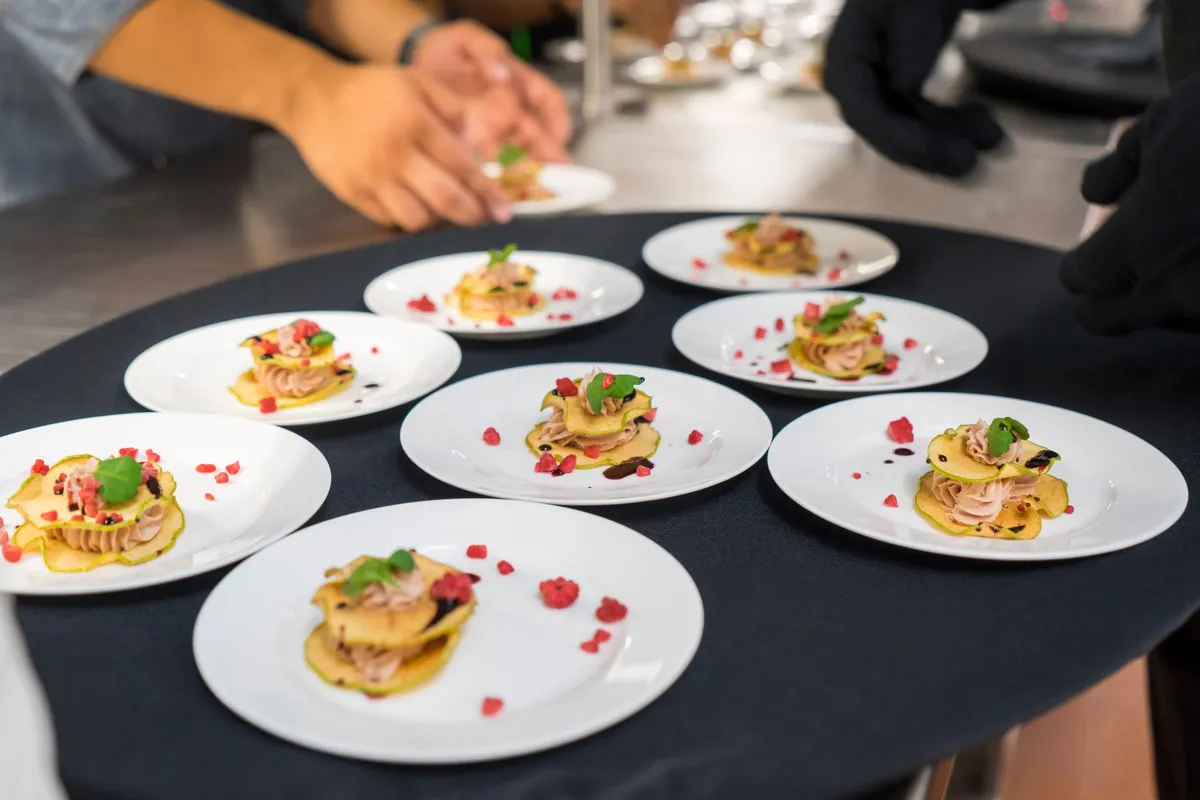
If friends and family post about a free meal, ask them to say it was free. Ask them to say they know you, too. An honest first post ages better than a glowing one.
Write to local food writers and neighborhood newsletters a few weeks before opening. Keep the note short. Say what is new about the place and who is behind it. Give the date and invite them to the soft opening.
What to send a local food writer
- The opening date, or the month if the day is not set
- One line on what is new about the food or the place
- Who is behind it and why they chose this neighborhood
- A few good photos they may publish with credit
- An invitation to the soft opening
When should you invite food creators?
Invite creators once the room works. A creator needs a full menu and staff who know the dishes. So we lean to the first weeks after you open. A few visits spread over those weeks beat one crowded night. Our one-month creator campaign plan lays the weeks out.
Soft opening
Neighbors and local writers test the room.
Opening week
Pick and brief creators
Choose ones who live near the store.
Weeks two to four
Host one visit a night
Spread them out, on quieter nights.
As posts go up
Count and thank
Ask guests how they heard of you.
Ask each creator to say in the video that the meal was hosted. Sample words are in the free-meal disclosure answer. For the invitation itself, see how to invite food influencers.
A chain or franchise opening another location can also hand this part off. CreatoRain books creators from its food-creator network for those first weeks. It invites them, pays them and follows up until each video posts. It costs $300 a video, creator pay included.
What should you keep doing after opening day?
- the fall in survival rate during the first year, for one group of U.S. private-sector businesses that BLS followed
- 20.4 percentage points
- of that group were still operating a decade later
- 34.7 percent
The opening is the start of the hard part. For the businesses BLS followed, survival fell most in the first year. So keep giving people reasons to come back after the buzz fades.
Google’s “Recently opened” tag lasts 90 days. Use those months to post each week, answer every review and keep inviting creators. Ask happy guests for reviews, but never offer anything in return. Google’s Maps rules bar incentives for reviews.
The first 90 days after opening
- Post on your Google profile every week
- Reply to every review, good or bad
- Send your list a note when the menu or hours change
- Invite a few food creators each month
- Ask new guests how they heard about you
One more habit to build early. Pair a first-visit thank-you with a second-visit offer that runs out in two weeks. That brings new guests back while you are still news.
Sources and method
Where each number comes from
- “30%” — How Are Guests Discovering New Restaurants? This National Survey Has Answers (PMQ Pizza Magazine, July 4, 2026, reporting Toast’s survey of U.S. adults). Read October 7, 2026.
- “38%” — How Are Guests Discovering New Restaurants? This National Survey Has Answers (PMQ Pizza Magazine, July 4, 2026, reporting Toast’s survey of U.S. adults). Read October 7, 2026.
- “18%” — How Are Guests Discovering New Restaurants? This National Survey Has Answers (PMQ Pizza Magazine, July 4, 2026, reporting Toast’s survey of U.S. adults). Read October 7, 2026.
- “16%” — How Are Guests Discovering New Restaurants? This National Survey Has Answers (PMQ Pizza Magazine, July 4, 2026, reporting Toast’s survey of U.S. adults). Read October 7, 2026.
- “8% to 12%” — How Much Should a Restaurant Spend on Marketing? (Altametrics, Derrick McMahon, September 23, 2026). Read October 7, 2026.
- “8% to 10%” — How Much Should a Restaurant Spend on Marketing? (Sauce, April 2, 2025). Read October 7, 2026.
- “90 days” — Add a business opening date - Google Business Profile Help. Read October 7, 2026.
- “Item 11” — 16 CFR 436.5, Disclosure items, Item 11 (Franchise Rule, via Cornell Legal Information Institute). Read October 7, 2026.
- “30 consecutive days” — Temporary Signage Information Guide (City of Alameda, California, Permit Center). Read October 7, 2026.
- “20.4 percentage points” — 34.7 percent of business establishments born in 2013 were still operating in 2023 (U.S. Bureau of Labor Statistics, The Economics Daily, January 12, 2024). Read October 7, 2026.
- “34.7 percent” — 34.7 percent of business establishments born in 2013 were still operating in 2023 (U.S. Bureau of Labor Statistics, The Economics Daily, January 12, 2024). Read October 7, 2026.
- “$300” — As published on our pricing page.
Pages quoted in this article
- Add a business opening date - Google Business Profile Help Read October 7, 2026.
- Google Business Profile (Google, “Creating a Business Profile and listing your business on Google is free.”) Read October 7, 2026.
- How Are Guests Discovering New Restaurants? This National Survey Has Answers (PMQ Pizza Magazine, July 4, 2026, reporting Toast’s survey of U.S. adults) Read October 7, 2026.
- How Much Should a Restaurant Spend on Marketing? (Altametrics, Derrick McMahon, September 23, 2026) Read October 7, 2026.
- How Much Should a Restaurant Spend on Marketing? (Sauce, April 2, 2025) Read October 7, 2026.
- 16 CFR 436.5, Disclosure items, Item 11 (Franchise Rule, via Cornell Legal Information Institute) Read October 7, 2026.
- What kinds of businesses are eligible for Yelp? | Yelp Support Center Read October 7, 2026.
- Temporary Signage Information Guide (City of Alameda, California, Permit Center) Read October 7, 2026.
- 34.7 percent of business establishments born in 2013 were still operating in 2023 (U.S. Bureau of Labor Statistics, The Economics Daily, January 12, 2024) Read October 7, 2026.
- Prohibited & restricted content - Maps User Generated Content Policy Help | Google Read October 7, 2026.
Related questions
All 7 guides on Openings & franchise →Run more than one location? See how CreatoRain works for restaurant chains. See real campaigns in our case studies.