What did Pokitomik get from text-message marketing across 14 locations?
Tuesday used to be a slow day for a fusion poke chain in Southern California. Then it added a text club, and members now get a 10% off coupon each Tuesday. Its owner calls Tuesday one of the busiest days of its week.
Pokitomik is a fusion quick-service chain in Southern California. Its texting vendor reported results for 2024. Loyalty club members grew 55% in a year. Texts were credited with over $500K in revenue. The owner put the return at nearly 17 times. The vendor wrote the release, and it gives no costs or method. Treat it as a plan to test.
CreatoRain Team6 min read
CreatoRain is a done-for-you restaurant influencer marketing service for chains and franchises: CreatoRain's in-house team finds, invites and pays food creators and follows up until each video is posted.
CreatoRain is not affiliated with Pokitomik, iVision Mobile, and SimpleTexting; this analysis uses public sources only.

What did Pokitomik do with text messages?
Pokitomik is a quick-service chain that mixes Japanese, Hawaiian and Mexican food. In January 2025, its texting vendor put its size at 14 locations in Southern California. The vendor is iVision Mobile, a text marketing company in Los Angeles. It described the chain’s results in a press release.
Join at the counter
Name, birthday and mobile number on a kiosk at checkout
Every return visit
Check in on each visit
Points for every dollar spent
Once enough build up
Spend the points
Discounts and free meals
Each Tuesday
Get the weekly offer
A 10% off coupon
Through the year
Get a local special
Offers tied to one location
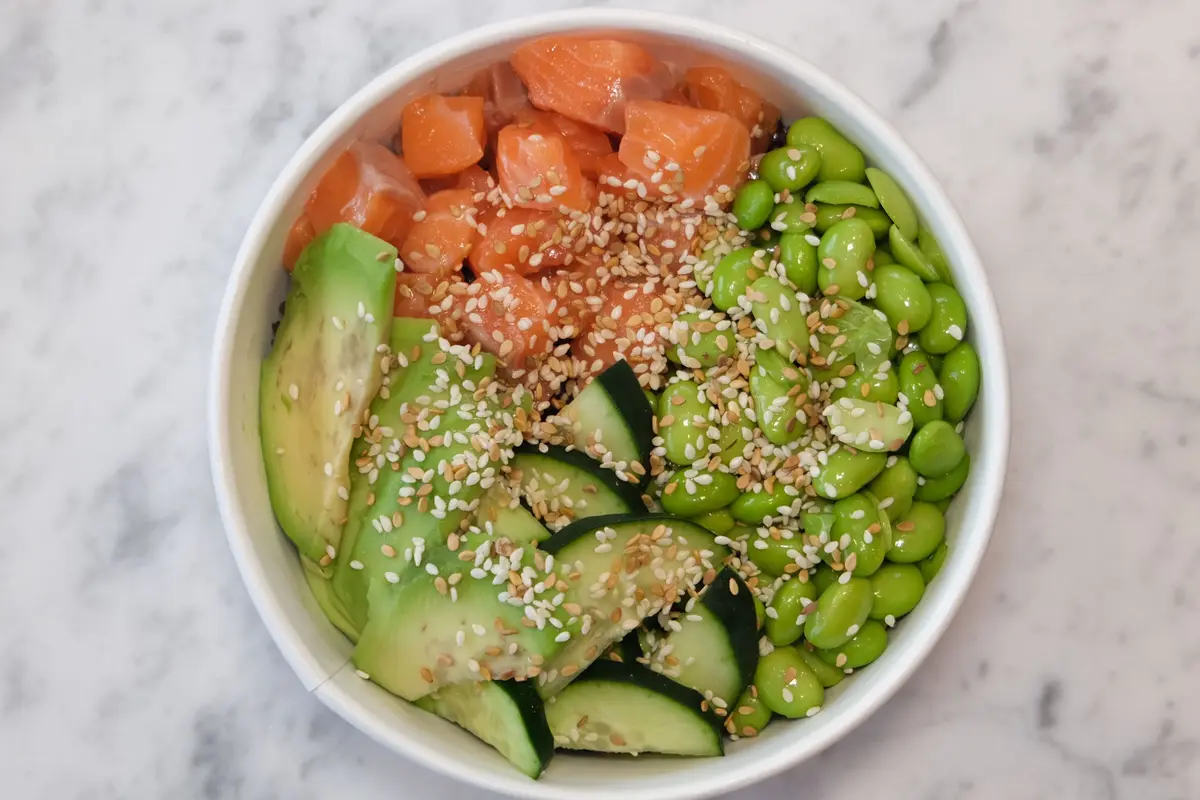
The design is plain on purpose. The kiosk sits where every guest already stops to pay. A birthday on file gives each store a reason to send a personal offer. Location-specific specials let one store push its own slow day without changing the others.
What results did the vendor report?
Arthur Arushunyan is named in the release as the owner of the Pokitomik franchise. He called texting and digital loyalty “our number one revenue driver for the overall cost.” He also said Tuesday used to be a slow day. The chain added the texting software in 2021. Since then, he said, Tuesday has become “one of our busiest days of the week.”
- growth in loyalty club members, year over year
- 55%
- in revenue credited to text marketing
- over $500K
- the return from texting, as the owner put it
- nearly 17 times
Those are large claims for a chain of 14 locations. They come from the company that sells the texting service. The release ran on PR Newswire. A newspaper, the Blue Mountain Eagle, reprinted it. The reprint carries the byline “By iVision Mobile,” not a reporter’s name.
What does the press release leave out?
A vendor release is marketing for the vendor. That does not make it false. It does mean each number needs a second look before you build a plan on it.
| Claim | What is missing |
|---|---|
| 55% more loyalty members | The starting count, and how many members still visit |
| Over $500K credited to texts | How a sale was tied to a text, and what the discounts cost |
| A return of nearly 17 times | The cost of the program, and how the return was counted |
| 14 locations | The chain’s store locator listed 12 stores on October 8, 2026 |
| Tuesday became one of the busiest days | Any Tuesday sales figure, before or after |
The biggest gap is attribution. A guest who redeems a texted coupon may have come in anyway. Counting that whole sale as text revenue makes the program look bigger than it is. The member growth has the same problem. A club can grow fast while its members stop coming back.
How big is the text revenue for one store?
Spread the claim across the stores to see its real size. Pokitomik’s franchising page gives an average unit volume of $1.1MM per store, which is a typical store’s yearly sales.
| Measure | Per store |
|---|---|
| Text revenue in a year | about $35,700 |
| Text revenue in a week | about $690 |
| Share of yearly sales of $1.1MM | about 3% |
Text revenue of about $690 a week per store is believable. It is a modest share of sales, not a new business. It also squares with the owner’s return claim. Say the return means revenue divided by cost. Then the program cost about $29,400 for the year. That works out to about $175 per store each month.
What would a text program cost a small chain?
iVision Mobile publishes its prices. Its pricing page starts at $59 a month, and every plan includes its loyalty kiosk software. Setup is a one-time $99. Carrier registration adds a one-time $15 fee and a small monthly charge. The plan you need depends on how many texts you send.
| Club size | Texts a month | Plan price |
|---|---|---|
| 1,000 members | 4,000 texts | $209 a month |
| 2,500 members | 10,000 texts | $329 a month |
| 6,000 members | 24,000 texts | $500 a month |
| 12,000 members | 48,000 texts | $750 a month |
Carriers also charge per message. Another vendor, SimpleTexting, puts that at about $0.0025 per message in the United States. At 48,000 texts, that adds about $120 a month. Prices change, so get a written quote before you sign.
What do carriers expect before you text a guest?
Carriers expect a business to get permission first. CTIA, the wireless industry’s trade group, sets out the principles in a guide from May 2023. For promotional texts, it says “the Consumer should agree in writing to receive promotional texts.” It lists signing up at the point of sale as one way to opt in.
Before the first promotional text
- Ask for permission in writing, such as a checkbox on the kiosk.
- Say what the texts are for and how often they come.
- Send a welcome text that explains how to opt out.
- Honor STOP, and plain words like “unsubscribe,” right away.
- Build your own list. Never buy or rent one.
- Keep a record of when and how each guest signed up.
Any texting vendor will ask about these steps during setup. They are carrier expectations, not legal advice. A franchisee should ask whether the brand already runs a text club. Your franchisor may need to approve a local one before it starts.
Why could a Tuesday coupon fill a slow day?
Pokitomik picked one slow day and gave it one steady offer. Every Tuesday, members got a coupon for 10% off. A steady offer teaches the pattern. A member who skips one week still knows the deal comes back.
A slow-day offer that can pay for itself
- Use the day your sales report shows as slowest.
- Keep the discount small and the same each week.
- Send it at the same hour every time.
- Limit it to one day, so other days keep full price.
- Check that a typical order still clears its food cost after the discount.

A discount gives up margin on every order it touches. It pays only when it brings orders that would not have come. If your Tuesday guests are already regulars, the coupon may just cut their price. The loyalty program guide covers how points and offers work together.
How do you test whether texts bring guests in?
Test the idea on your own list before you scale it. The cleanest test holds back a small, random part of the list. Those members get no offer for a few weeks. Everyone else gets the usual text.
| Step | What to do |
|---|---|
| Split the list | Pick one member in ten at random to get no offer |
| Send as usual | Text everyone else the same offer at the same time |
| Count visits | Compare visits per member in each group, store by store |
| Read the gap | Extra visits in the texted group are what the text added |
Count visits, not just redemptions. A redemption shows a guest used the code. A higher visit rate shows the text changed what guests did. Then bring the held-back members back onto the list. The guide on telling whether food influencers brought you customers applies the same test to creator videos.
How do you start a text club this month?
A chain with a few stores can start small. Begin at one store with a kiosk or a sign-up code at the register. Pick one offer and one day. Choose a month-to-month plan you can drop if it does not work.
Choose a vendor
Monthly billing, a sign-up kiosk or form, and opt-out handling built in
Week one
Set up sign-up
A checkbox for promotional texts at checkout
At each sign-up
Send a welcome text
What the club sends, how often, and how to stop
Weeks two to four
Run one weekly offer
Your slowest day, at the same time each week
End of the month
Check the numbers
Sign-ups, opt-outs, redemptions and visits
Budget it like any other marketing line. The guide on how much of sales to spend on marketing helps set the ceiling. Get your franchisor’s yes before a discount goes out under the brand’s name.
Where do new club members come from?
A text club only reaches guests who already walked in. A new or slow store needs new faces first. CreatoRain, which publishes this analysis, books creators from its food-creator network to bring them. Its team briefs each creator, pays them and checks that each video goes live. The price is $300 a video, and the creator’s pay comes out of it.
Sources and method
CreatoRain is not affiliated with Pokitomik, iVision Mobile, and SimpleTexting; this analysis uses public sources only.
Where each number comes from
- “14 locations” — Growing QSR Chain Pokitomik Sees Explosive Growth With Text Marketing in 2024 (iVision Mobile via PR Newswire, January 29, 2025). Read October 8, 2026.
- “55%” — Growing QSR Chain Pokitomik Sees Explosive Growth With Text Marketing in 2024 (iVision Mobile via PR Newswire, January 29, 2025). Read October 8, 2026.
- “$500K” — Growing QSR Chain Pokitomik Sees Explosive Growth With Text Marketing in 2024 (iVision Mobile via PR Newswire, January 29, 2025). Read October 8, 2026.
- “nearly 17 times” — Growing QSR Chain Pokitomik Sees Explosive Growth With Text Marketing in 2024 (iVision Mobile via PR Newswire, January 29, 2025). Read October 8, 2026.
- “2024” — Growing QSR Chain Pokitomik Sees Explosive Growth With Text Marketing in 2024 (iVision Mobile via PR Newswire, January 29, 2025). Read October 8, 2026.
- “10%” — Growing QSR Chain Pokitomik Sees Explosive Growth With Text Marketing in 2024 (iVision Mobile via PR Newswire, January 29, 2025). Read October 8, 2026.
- “2021” — Growing QSR Chain Pokitomik Sees Explosive Growth With Text Marketing in 2024 (iVision Mobile via PR Newswire, January 29, 2025). Read October 8, 2026.
- “January 2025” — Growing QSR Chain Pokitomik Sees Explosive Growth With Text Marketing in 2024 (Blue Mountain Eagle reprint, January 29, 2025). Read October 8, 2026.
- “$1.1MM” — Franchising, Pokitomik (read October 8, 2026). Read October 8, 2026.
- “12 stores” — We read the store locator on pokitomik.com/locations on October 8, 2026, with “Show all locations” selected. It listed 12 stores, all in Southern California: Burbank, Glendale, Montebello, North Hollywood, Northridge, Palmdale, Riverside, Simi Valley, Thousand Oaks, Valencia, Westwood and Woodland Hills. Measured October 8, 2026.
- “October 8, 2026” — The day we read the Pokitomik store locator, pricing pages and press release for this analysis. Measured October 8, 2026.
- “$59” — SMS Marketing Pricing, iVision Mobile (read October 8, 2026). Read October 8, 2026.
- “$99” — SMS Marketing Pricing, iVision Mobile (read October 8, 2026). Read October 8, 2026.
- “$15” — SMS Marketing Pricing, iVision Mobile (read October 8, 2026). Read October 8, 2026.
- “$209” — SMS Marketing Pricing, iVision Mobile (read October 8, 2026). Read October 8, 2026.
- “$329” — SMS Marketing Pricing, iVision Mobile (read October 8, 2026). Read October 8, 2026.
- “$500” — SMS Marketing Pricing, iVision Mobile (read October 8, 2026). Read October 8, 2026.
- “$750” — SMS Marketing Pricing, iVision Mobile (read October 8, 2026). Read October 8, 2026.
- “$0.0025” — Pricing, SimpleTexting (read October 8, 2026). Read October 8, 2026.
- “May 2023” — Messaging Principles and Best Practices (CTIA, May 2023). Read October 8, 2026.
- “about $35,700” — Our arithmetic: $500K credited to texts divided by the 14 locations in the release, which gives $35,714 per store for 2024. Measured October 8, 2026.
- “about $690” — Our arithmetic: $35,714 per store per year divided by 52 weeks, which gives $687. Measured October 8, 2026.
- “about 3%” — Our arithmetic: $35,714 per store divided by the $1.1MM average unit volume on Pokitomik’s franchising page, which gives 3.2%. The two figures come from different dates. Measured October 8, 2026.
- “about $29,400” — Our arithmetic, assuming the owner’s return means revenue divided by cost: $500K divided by 17 gives $29,412 for 2024. The release gives no cost. Measured October 8, 2026.
- “about $175” — Our arithmetic: $29,412 divided by 14 locations and 12 months, which gives $175 per store per month. Measured October 8, 2026.
- “1,000” — Example club size for the cost table, not a Pokitomik figure. Measured October 8, 2026.
- “2,500” — Example club size for the cost table, not a Pokitomik figure. Measured October 8, 2026.
- “6,000” — Example club size for the cost table, not a Pokitomik figure. Measured October 8, 2026.
- “12,000” — Example club size for the cost table, not a Pokitomik figure. Measured October 8, 2026.
- “4,000” — Our arithmetic: 1,000 members times four texts a month. iVision Mobile’s Plus plan ($209) includes 5,000 texts. Measured October 8, 2026.
- “10,000” — Our arithmetic: 2,500 members times four texts a month. iVision Mobile’s Advanced plan ($329) includes 10,000 texts. Measured October 8, 2026.
- “24,000” — Our arithmetic: 6,000 members times four texts a month. iVision Mobile’s Pro plan ($500) includes 25,000 texts. Measured October 8, 2026.
- “48,000” — Our arithmetic: 12,000 members times four texts a month. iVision Mobile’s Enterprise plan ($750) includes 50,000 texts. Measured October 8, 2026.
- “about $120” — Our arithmetic: 48,000 texts times the $0.0025 average carrier fee per message that SimpleTexting states. Measured October 8, 2026.
- “$300” — As published on our pricing page.
Pages quoted in this article
- Growing QSR Chain Pokitomik Sees Explosive Growth With Text Marketing in 2024 (iVision Mobile via PR Newswire, January 29, 2025) Read October 8, 2026.
- Growing QSR Chain Pokitomik Sees Explosive Growth With Text Marketing in 2024 (Blue Mountain Eagle reprint, January 29, 2025) Read October 8, 2026.
- Franchising, Pokitomik (read October 8, 2026) Read October 8, 2026.
- Locations, Pokitomik store locator (read October 8, 2026) Read October 8, 2026.
- SMS Marketing Pricing, iVision Mobile (read October 8, 2026) Read October 8, 2026.
- Pricing, SimpleTexting (read October 8, 2026) Read October 8, 2026.
- Messaging Principles and Best Practices (CTIA, May 2023) Read October 8, 2026.
Related questions
All 4 guides on Brand stories →Run more than one location? See how CreatoRain works for restaurant chains. See real campaigns in our case studies.