When should you start marketing a new restaurant?
The keys come with a lease and a long to-do list. Somewhere on that list sits marketing, with no date beside it. Start too late and nobody knows you are open. Start too loud and the cameras catch a kitchen still learning.
Start the quiet work the week you sign the lease. Claim the name, the handles and the Google listing. Google shows the profile 90 days before your opening date. Use those months for the sign, the guest list and the mail. Hold creator videos until the kitchen runs steady. Then spread visits across the first twelve weeks.
CreatoRain Team6 min read
CreatoRain is a done-for-you restaurant influencer marketing service for chains and franchises: CreatoRain's in-house team finds, invites and pays food creators and follows up until each video is posted.

What is the difference between quiet and loud opening work?
Opening marketing is two kinds of work. Quiet work does not depend on the food. It covers the name, the listings, the sign and the guest list. Loud work asks people to judge the food in public. That means creator videos, write-ups in the local press and a push for reviews.
Quiet work can start the week the lease is signed. Loud work waits until the kitchen can take it. Many launch mistakes come from swapping the two.
| Phase | Switch on | Hold back |
|---|---|---|
| Lease signed | Name, social handles, a Google listing with an opening month | Any date you are not sure you can keep |
| Three months out | Google posts, a window sign, the guest list, a mailing | Creator invitations |
| Last month | Staff training, and small soft opening nights for neighbors and local writers | Creator videos |
| Opening to steady | Honest reviews from early guests | Big pushes of any kind |
| Steady to week twelve | Creators and local press, a few at a time | Spending it all in one weekend |
Launch marketing buys a first impression, and a store gets only one. A packed room on a night the kitchen falls behind spends it badly. So match each push to what the store can deliver that week.
What should you do the week the lease is signed?
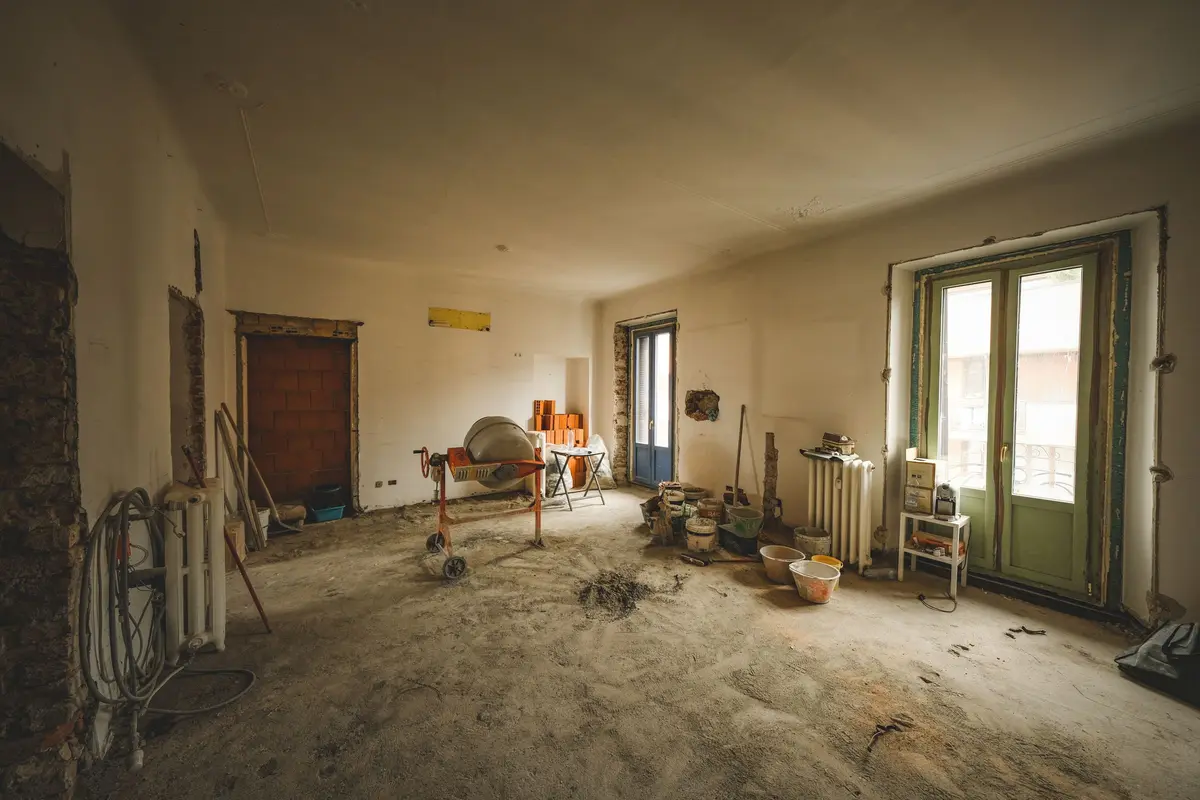
Quiet work for the first week
- Settle the store name and check that nobody nearby already uses it
- Claim the same handle on Instagram, TikTok and Facebook
- Add the store to Google with a planned opening month
- Ask the landlord and the city what the window sign may say
- Start a list of neighbors, nearby offices and local groups
Google lets you enter an opening date up to a year ahead, and only the month and year are needed. The profile stays hidden until 90 days before that date (Google Business Profile Help). So the early listing is about getting verified, not about being seen.
Keep the new handles quiet for now. A few posts from the build are fine. Do not post an opening date you cannot keep. Neighbors remember a missed date on a sign.
Why go public about three months before opening?
- try a new restaurant every few months
- 38%
- say they rarely try a new restaurant
- 34%
Diners are loyal to the places they know, so a new store has to be noticed more than once. Three months gives the neighborhood time to see the name again and again. Google shows the profile from about then, and you can post on it. Use posts for progress photos, the opening month and a reason to come. The window sign and the guest list each get a full walk-through in what to do before the doors open.
This is also the time for mail. USPS lists Every Door Direct Mail retail postage at $0.26 a piece for marketing flats (USPS). A 2,000-piece drop to the streets around the store costs $520 in postage, before printing. An opening offer on that card is a price change. Get your franchisor’s sign-off before anything goes to the printer.
How long should training and the soft opening run?
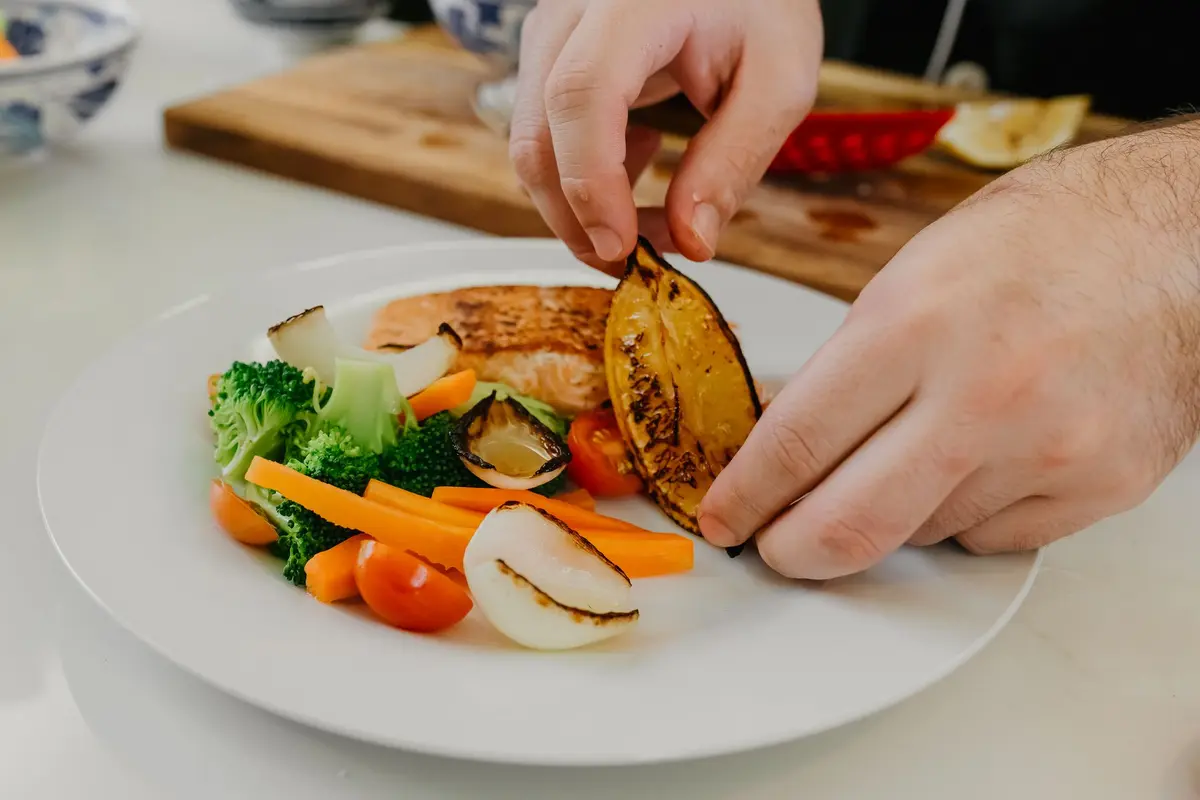
Plan on about a month. A culinary school’s industry relations director told Restaurant Dive that soft openings let restaurants test the menu and train front-of-house staff for at least a month before opening. Use the last two weeks for small soft opening nights. Invite friends, family and neighbors. Add a local food writer or two and the crew who built the room.
Keep the menu short and the nights small. You want to find the slow dish and the confused handoff now. Keep creators out of it. Once you open, guests can post reviews and photos, and any guest can post a video. Make sure the food on day one is food you would want filmed.
What goes wrong when the cameras arrive too early?
The lesson is about order, not about creators. A creator posts what they see that night. If the kitchen is still finding its feet, that is what goes up. And it stays up.
When should food creators and press come in?
The kitchen runs steady
Tickets go out on time on your busiest night, more than once
Then
The menu stops changing
The dishes creators film are the ones guests can order
Then
Invite a few creators
Local creators first, on nights you can host well
On the day
Host the visit
A clear dish to film, a good table and no waiting
Over the next weeks
Videos go up
Then the next small group, on the dates in the twelve-week table
For many stores, steady comes a few weeks after opening. There is no fixed date. You are there when a full Friday feels routine. Then the attention is worth having. In the same TouchBistro survey, 52% of Gen Z diners made the decision to try a new restaurant based on positive feedback on social media (Restaurant Dive).
Spread the visits out. A few creators a week keeps the name in local feeds through the whole launch, not just one weekend. Our guide to inviting food influencers covers what to write to them.
What should the first twelve weeks after opening look like?
| Weeks | Focus | Sign you can move on |
|---|---|---|
| Weeks one and two | Fix what the soft opening missed. Ask early guests for honest reviews. | The same mistakes stop showing up |
| Weeks three to six | Invite the first small groups of local creators and press. | Busy nights feel routine |
| Weeks seven to twelve | Keep the visits going. Share the videos guests liked. Start a second round. | Guests mention a video when they order |
Google gives a new store a head start here. Its profile shows a “Recently opened” tag for 90 days after opening (Google Business Profile Help). That tag fades around week thirteen. By then you want reviews, photos and videos doing the same work. Our guide to getting more Google reviews shows how to ask.
Do not spend the whole budget in week one. Openings draw curious guests on their own. The harder weeks are the middle ones, when the newness wears off and nobody has posted in a while.
What changes when a group opens one more location?
What a new store of a known brand starts with
- A name some guests already know from other towns
- Recipes and a kitchen system that are already tested
- Photos and menus to reuse on the new Google listing
- Trainers from other stores who can coach the new team
The timeline stays the same, but the quiet months take less work. A proven kitchen system can reach steady sooner. What a new store lacks is local proof, because nobody in that town has filmed it yet. Our guide to marketing a new franchise location covers the trade area and the franchisor’s kit.
A group that opens several stores a year can hand the creator part off. CreatoRain’s in-house team finds and invites creators from its food-creator network to visit each new store. The same people write the invitations, pay the creators and follow up until each video is live. The price is $300 a video, creator pay included. The group names the week a new kitchen feels steady, and the visits are planned from there.
How do you know the launch timing worked?
Things you can count without guessing
- New reviews each week, and what they mention
- How many people joined the guest list, and how many came
- Creator videos posted, and the questions in their comments
- What guests answer when you ask where they first saw the store
At the register, ask first-time guests where they first saw the store. Write the answers down for a few weeks. The answers tell you which push to repeat. They also catch problems early, like a sign nobody notices.
If the answers keep naming the street and friends, the quiet work is doing its job. If they start naming a video, the loud work has begun to pay off. Plan the next store’s dates from what you saw here.
Sources and method
Where each number comes from
- “$300” — As published on our pricing page.
- “90 days” — Add a business opening date (Google Business Profile Help). Read October 8, 2026.
- “38%” — Back to basics: 5 ways restaurants can prepare for a successful grand opening (Restaurant Dive, June 28, 2024). Read October 8, 2026.
- “34%” — Back to basics: 5 ways restaurants can prepare for a successful grand opening (Restaurant Dive, June 28, 2024). Read October 8, 2026.
- “52%” — Back to basics: 5 ways restaurants can prepare for a successful grand opening (Restaurant Dive, June 28, 2024). Read October 8, 2026.
- “$0.26” — Every Door Direct Mail (USPS). Read October 8, 2026.
- “2,000” — An example mailing size we chose: 2,000 homes in the streets around one store. It is not a USPS figure or a benchmark. Measured October 8, 2026.
- “$520” — Our arithmetic: 2,000 pieces × $0.26 USPS EDDM Retail postage per marketing flat (usps.com, read 2026-10-08) = $520. Printing and design are extra. Measured October 8, 2026.
Pages quoted in this article
- Add a business opening date (Google Business Profile Help) Read October 8, 2026.
- Back to basics: 5 ways restaurants can prepare for a successful grand opening (Restaurant Dive, June 28, 2024) Read October 8, 2026.
- Every Door Direct Mail (USPS) Read October 8, 2026.
Related questions
All 7 guides on Openings & franchise →Run more than one location? See how CreatoRain works for restaurant chains. See real campaigns in our case studies.