How do you market a new franchise location in a town that already knows the brand?
People in your town already know the brand. They have eaten it on road trips and one town over. What they do not know yet is that it now sits on their corner. Your opening has one job. Teach them the address.
Market the address, not the brand. Draw a ring of 3 to 5 miles around the store. Ask your franchisor for its opening kit and approved ads. Put local faces in front of neighbors before the doors open. Run small radius ads and mail. Collect reviews in the first weeks.
CreatoRain Team7 min read
CreatoRain is a done-for-you restaurant influencer marketing service for chains and franchises: CreatoRain's in-house team finds, invites and pays food creators and follows up until each video is posted.

Why doesn’t a known brand fill a new store on its own?
A known brand saves you one step. Nobody needs the menu explained. But people still need three facts before they come. They need to know the store exists, where it is and that it runs well. A national ad can’t tell them any of that.
The third fact is the hardest. A new store starts with no reviews of its own. BrightLocal surveyed 1,002 US adults for its 2026 review survey. Of them, 47% said they won’t use a business with fewer than 20 reviews. Only 9% would use one with five or fewer.
- won’t use a business with fewer than 20 reviews
- 47%
- would use a business with five reviews or fewer
- 9%
- look for reviews from the last three months
- 74%
So the brand is not your problem. The address is, and so are the first months of reviews. Every step below works on one of those two.
What should you ask your franchisor for before you open?
Start with head office. A 2024 Franchising.com guide to opening marketing puts the job on both sides. It says brands are responsible for giving franchisees the tools to market, including regional marketing support. Franchisees are expected to use those tools to spread the word themselves.
Ask head office before you plan anything
- The opening kit: ad templates, window signs, photos and a press release
- Any required opening spend, and the dates it must be spent between
- Which opening offers are approved, and which need sign-off
- Who owns the new store’s Google listing and social pages
- Whether a sister store shares part of your trade area
- What the brand’s field marketing team will do for you
Send these questions to your franchisor in one email and keep the replies. The kit covers the brand. The local part is yours, and no kit can do it for you.
How do you draw the trade area for one new store?
Most first guests live or work close by. A franchise COO quoted in the Franchising.com guide says franchisees must market within 3 to 5 miles of the restaurant. He tells them to try to ‘own’ that trade area. Treat the ring as a starting point. A highway, a river or a rail line can cut it short.
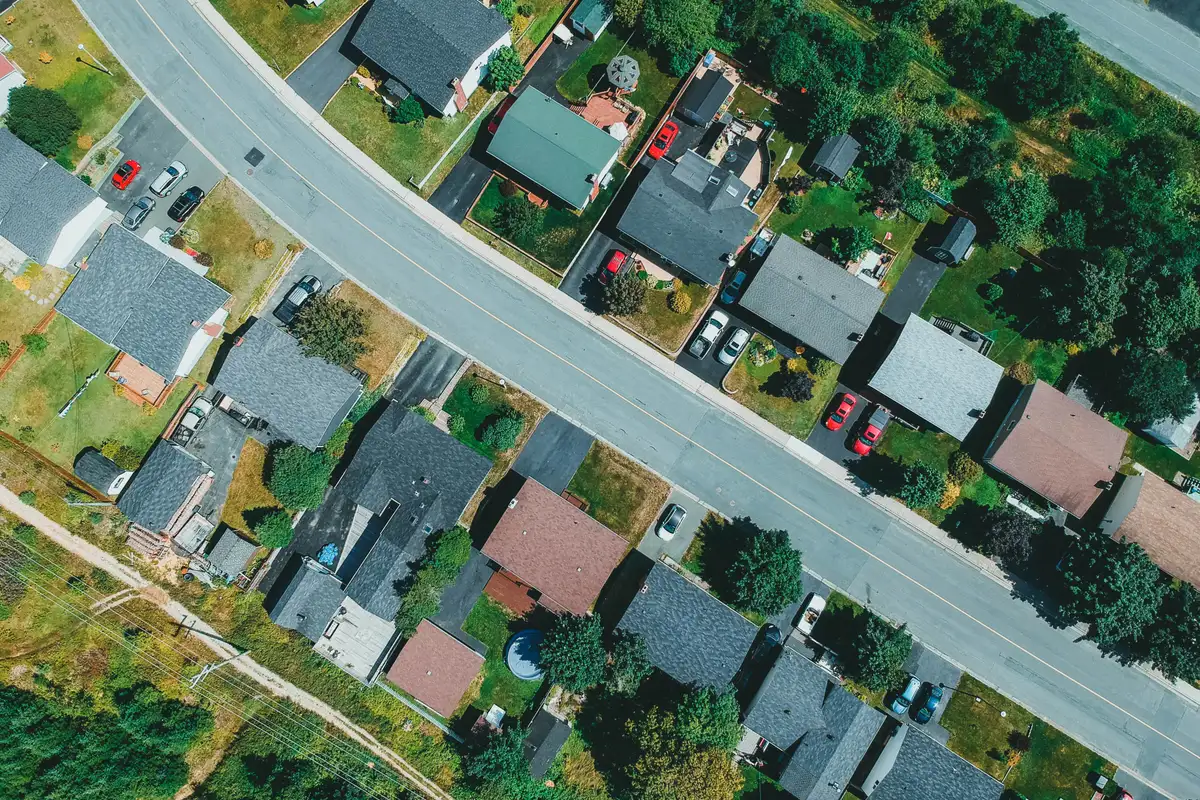
Put these on the map
- Your store, and any sister store of the same brand
- The roads people take to reach you, and the turns they need
- Offices, schools and clinics inside the ring
- Apartment blocks and new housing
- The places your guests eat today instead
If a sister store sits inside your ring, talk to its owner first. Two franchisees buying ads on the same street waste money. Agree on a line between your areas before either of you spends.
How much should you spend to open a new location?
Read your franchise agreement first. It may set a grand opening spend and a window for it. If it does not, plan a budget anyway. A franchise attorney wrote about this in Franchise Dictionary Magazine in 2022. He called an extra $10,000 to $15,000 on the opening loan a small price for a strong opening.
| Item | What it buys | When |
|---|---|---|
| Radius ads | Search and social ads around the address | Two weeks before to six weeks after |
| A card to every home on the routes you pick | The week before opening | |
| Preview nights | Free tastings for neighbors and local groups | The last days before opening |
| Local creators | Short videos from people who live in the area | The first two weeks open |
| Signs | Banners and window signs the brand approves | From the day you get the keys |
Hold some money back for the second and third months. That is when the opening rush fades. Repeat guests decide your sales from then on.
Why should the opening lead with local faces?
Neighbors know what the brand tastes like. They don’t know who runs this store. So put people in front of the logo. Introduce the owner and the general manager by name. Hire from the area, and say so in your posts.
Then find local partners. A school, a youth team or a fire station can host a preview night. Their families tell other families. Word spreads that way faster than any national ad can.
A creator video can start the same kind of talk. CreatoRain, which publishes this guide, books creators from its food-creator network to visit the new store and pays them. Each one films a visit in the store’s first weeks. The price is $300 a video, creator pay included. Our month-long creator campaign plan shows the steps if you run it yourself.
What should happen in the six weeks before the doors open?
Hang the signs
Put the opening month and a hiring sign in the window.
Five weeks out
Set up the listing
Make sure the store’s map listing shows the opening date.
Four weeks out
Book partners
Pick a school, a team and a fire station for preview nights.
Two weeks out
Start radius ads
Lead with the cross streets and the opening date.
The last week
Run preview nights
Feed partners for free, and train staff on real orders.
Opening day
Open and ask
Hand every guest a card that asks for a review.
The pre-opening steps for any restaurant are in our guide to promoting a new restaurant before it opens. A franchise adds one thing, which is approval time. Build about two weeks of brand sign-off into every step.
How do you run paid ads around one new address?
Paid ads are where a known brand helps most. People already trust the logo, so the ad only has to say where and when. Lead with the cross streets and the opening date. Keep the brand’s approved look.
What a new-location ad should say
- Now open, and the day you opened
- The cross streets or a landmark people know
- One reason to come in this week
- A photo of this store, not a stock brand image
- Hours, and whether you take orders online
Target a ring around the store, not the whole city. Google Ads lets you set a radius of at least 1 km around an address. Google also warns that a very small radius may show your ads only now and then. Start with your trade area. Tighten it once you see where orders come from. For the full setup, see our guide to Google Ads for one restaurant location. Send each ad to head office before it runs.
Is a mailer still worth sending for a new location?
Yes, for the homes inside your ring. USPS Every Door Direct Mail sends a card to every address on the routes you pick. Each card costs $0.26 in retail postage. The minimum mailing is 200 cards. One ZIP Code takes up to 5,000 cards a day.
- retail postage per piece
- $0.26
- postage for 5,000 homes, before printing
- $1,300
Put one offer on the card that only works at the new store. Then count how many come back. Our guide to local store marketing covers mail for stores that are already open.
What makes opening day bring people back?
Opening day tends to fill itself. The real job is the second visit. Give every guest a reason to return within two weeks. A bounce-back card works well, once your franchisor approves the offer.
On opening day
- A greeter at the door who knows the owner’s name
- A bounce-back card in every bag
- A review card with a QR code at the register
- Photos and short clips for the store’s own pages
- A thank-you note to each local partner who came
How do you earn the first 20 reviews?
Ask in person, right after a good meal. Train every shift to do it. In the BrightLocal survey, 74% of people look for reviews from the last three months. That gives a new store an edge. Every review it gets is recent.
How to ask for a review
- Ask after the guest says the meal was good
- Use their name and the store’s name
- Point to the QR code on the card or the receipt
- Ask every guest the same way, never only the happy ones
- Never offer food or money for a review
Reply to every review in the first months, good or bad. Reviews are where neighbors check that this store runs as well as the brand. Our guide to getting more Google reviews has the words to use.
How do you know the opening worked?
Keep one sheet for the new store. Update it each week for the first three months. Compare it with the brand’s numbers for new stores, if head office shares them.
Track these each week
- Sales against the brand’s curve for new stores
- Offer cards redeemed, by ZIP Code
- New reviews, and the average rating
- Where first-time guests say they heard of you
- Ad spend, and orders from inside the ring
The second month tells you more than the first. If repeat guests hold, keep what pulled them in and cut the rest.
Sources and method
Where each number comes from
- “1,002 US adults” — Local Consumer Review Survey 2026 (BrightLocal, February 11, 2026). Read October 7, 2026.
- “2026” — Local Consumer Review Survey 2026 (BrightLocal, February 11, 2026). Read October 7, 2026.
- “47%” — Local Consumer Review Survey 2026 (BrightLocal, February 11, 2026). Read October 7, 2026.
- “20 reviews” — Local Consumer Review Survey 2026 (BrightLocal, February 11, 2026). Read October 7, 2026.
- “9%” — Local Consumer Review Survey 2026 (BrightLocal, February 11, 2026). Read October 7, 2026.
- “74%” — Local Consumer Review Survey 2026 (BrightLocal, February 11, 2026). Read October 7, 2026.
- “2024” — Opening a New Franchise Location: Part 6, Marketing (Ginny Gaylor, Franchising.com, March 14, 2024). Read October 7, 2026.
- “3 to 5 miles” — Opening a New Franchise Location: Part 6, Marketing (Ginny Gaylor, Franchising.com, March 14, 2024). Read October 7, 2026.
- “2022” — Legal: Go Big or Go Home (Tom Spadea, Franchise Dictionary Magazine, August 30, 2022). Read October 7, 2026.
- “$10,000 to $15,000” — Legal: Go Big or Go Home (Tom Spadea, Franchise Dictionary Magazine, August 30, 2022). Read October 7, 2026.
- “1 km” — Target ads to geographic locations (Google Ads Help). Read October 7, 2026.
- “$0.26” — Every Door Direct Mail (USPS). Read October 7, 2026.
- “200” — Every Door Direct Mail (USPS). Read October 7, 2026.
- “5,000” — Every Door Direct Mail (USPS). Read October 7, 2026.
- “$1,300” — Our arithmetic: 5,000 cards at the USPS Every Door Direct Mail Retail postage of $0.26 a piece is $1,300, printing not included. Measured October 7, 2026.
- “$300” — As published on our pricing page.
Pages quoted in this article
- Opening a New Franchise Location: Part 6, Marketing (Ginny Gaylor, Franchising.com, March 14, 2024) Read October 7, 2026.
- Legal: Go Big or Go Home (Tom Spadea, Franchise Dictionary Magazine, August 30, 2022) Read October 7, 2026.
- Local Consumer Review Survey 2026 (BrightLocal, February 11, 2026) Read October 7, 2026.
- Target ads to geographic locations (Google Ads Help) Read October 7, 2026.
- Every Door Direct Mail (USPS) Read October 7, 2026.
Related questions
All 7 guides on Openings & franchise →Run more than one location? See how CreatoRain works for restaurant chains. See real campaigns in our case studies.