Where do diners discover new restaurants?
A franchisee can run the same ad at every store and get very different results. Each store’s neighbors find food in their own way. Some ask a friend. Some drive past. Some open an app first.
Most diners still find new restaurants through people they know. In Toast’s survey, word of mouth led at 38%. Walking or driving past came second at 30%. Gen Z is the exception, and TikTok comes first for them. City diners lean on social media. Suburban diners lean on friends and the street.
CreatoRain Team6 min read
CreatoRain is a done-for-you restaurant influencer marketing service for chains and franchises: CreatoRain's in-house team finds, invites and pays food creators and follows up until each video is posted.

Do most diners still find new restaurants through people they know?
Yes, by a clear margin. Toast ran a blind survey of 1,466 US adults in October 2025. It published the results in July 2026. Word of mouth was the top discovery channel at 38%. Walking or driving past a location came second at 30%. Every app, ad and search engine came after those two.
Word of mouth
38%Walking or driving past
30%Facebook
27%TV ads
18%Map apps
18%Search engines
16%Instagram
15%
Social media splits into many small channels. TikTok sat at 14% overall. No single app came close to a friend’s tip. TV ads also scored well, but few franchisees buy TV for one store. The channels that matter for a local budget are cheaper. They are your guests, your street and your map listing.
Why do younger diners find restaurants on TikTok first?
Age changes the order. For Gen Z, TikTok was the top discovery channel at 38%. It beat word of mouth. Toast found that its pull drops off sharply with older diners. For Gen X and older guests, TikTok is still largely untapped as a way to find restaurants.
- of Gen Z diners find new restaurants on TikTok, their top channel (Toast)
- 38%
- of TikTok users surveyed have visited a restaurant after seeing it there (MGH)
- 58%
- of food-creator followers surveyed visited a restaurant in the last three months because of a social media review (Belle Communication)
- 73%
Read the last two with care. The MGH survey covered 1,142 US adults who watch TikTok. The Belle Communication survey asked 1,141 followers of food creators. Both groups already watch food video, so their numbers run high. Toast’s sample is broader. It still puts TikTok first for Gen Z.
Has a video replaced the friend’s recommendation?
Not really. Morning Consult asked Gen Zers how they learn about new restaurants, cafés and bars. Recommendations from friends or family came up most often. For dine-in spots, searching nearby when hungry came second. In that survey, nearly 2 in 5 named it a main way they find new places. Morning Consult found that search mattered more than influencers.
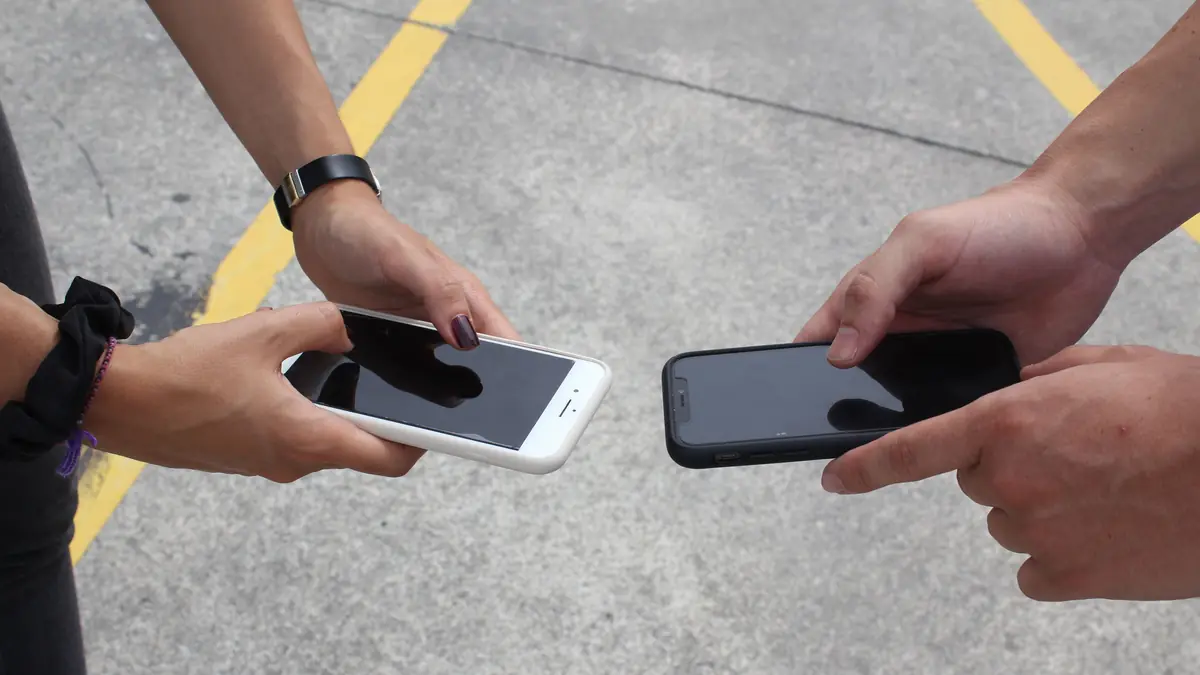
The two channels have merged. A friend’s tip now often arrives as a link to a video. Someone sees a local creator eat at your store. They send the clip to a group chat. That is word of mouth, carried by a screen. Morning Consult makes the same point. Gen Zers learn about restaurants from content their friends share on social platforms.
Do city and suburban locations get found in different ways?
Yes, and this matters most to a franchisee with several stores. Toast found that urban diners rely more on social media. Suburban diners rely more on word of mouth and on passing by. Toast’s own advice follows from that. A suburban store gains from a visible storefront and community ties. A city store needs a stronger presence on screens.
| Location type | Leans on | First move |
|---|---|---|
| Suburban strip or pad site | Word of mouth, passing by | Signs, windows, school and team events |
| City or campus store | Social media and video | Local creator videos and a sharp profile |
| Any location | Map apps and search | A complete, correct map listing |
So one marketing plan for every store wastes money. Your franchisor’s national ads cover the brand. Your local dollars should follow how each store’s neighbors actually find food.
How much do walking past and map apps matter?
More than most marketing talk suggests. Walking or driving past drew 30% in the Toast survey. Map apps drew 18%, and search engine results drew 16%. These channels catch the diner who is already hungry and close by.
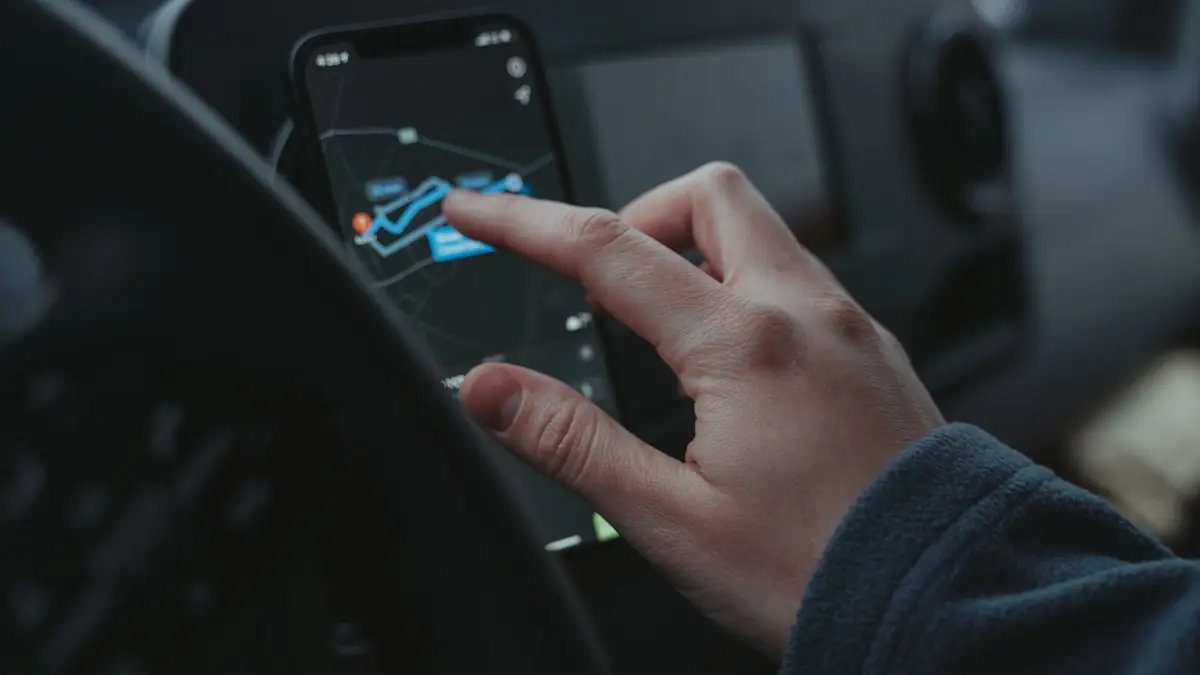
Google explains how it picks local results. They are mainly based on relevance, distance and popularity. You cannot move your store closer to the diner. You can make the listing complete and well reviewed. Google says more reviews and positive ratings can help a local ranking.
What should each location fix before it spends a dollar?
Start with the map listing for every store. Google says a Business Profile is free to create. Ask your franchisor first who manages the listings. Many brands run them centrally, so a franchisee may need to request changes.
One listing per store, to check this month
- Hours are correct, including holiday hours.
- The address and phone number match the store, not the brand’s main line.
- Photos show real dishes from this location.
- Every recent review has a reply, the critical ones too.
- Staff ask every guest for a review, the same way each time.
- The menu link opens and shows this store’s prices.
None of this is new, and that is the point. A creator video often sends someone to search your name. If the listing shows the wrong hours, the video was wasted. Google also says that replying to reviews shows you value feedback. A calm reply to a bad review tells newcomers how you treat guests. The steps for getting more Google reviews cover the asking.
What makes a diner actually walk in?
- Price and value
- 55%
- Food quality
- 51%
- Menu variety
- 43%
- Location and convenience
- 43%
Discovery only puts your name in someone’s head. The visit comes down to value and food. In the Toast survey, price and value led at 55%. Food quality came next at 51%. So the video that works is not the flashiest one. It shows the dish up close and says what it costs.
MGH asked TikTok users why a video made them want to visit. 53% said the food looked appetizing. That was the most common reason. 33% said they trusted the person who posted it. A clear plate shot and an honest voice do most of the work.
What does this look like for a franchisee with many stores?
Anders’s month matches the surveys. Suburban guests came through people and the street. Campus guests came through a video that friends passed on. Each store got a different fix, and none of it was expensive.
How do you turn word of mouth into a video people share?
Start with the guests who already love you. A regular’s phone video of a favorite dish is the oldest kind of tip in a new form. Ask for it at the table, when someone praises a plate.
A guest loves a dish
they film it
A short video is posted
By a regular or a local food creator
friends share it
The clip lands in group chats
someone gets hungry
They search your name on a map app
the listing is right
They walk in and ask for that dish
A local food creator reaches more people than one regular. Followers have heard that voice for months. To them, a post reads like advice from someone they trust. To spot creators who already eat near each store, search the way locals do. The cost guide covers what they charge.
Some franchise groups hand this work off. CreatoRain is a done-for-you creator video service for restaurant chains and franchises. Our team invites creators from our food-creator network, pays them and follows up until each video is posted. The price is $300 a video, with the creator’s pay included. Finding, paying and chasing the creator are all part of that price.
How do you know which channel brought a guest in?
Cheap ways to learn how new guests found each store
- Ask each new guest how they heard about you, and keep a tally by the register.
- Add the same question to online order and catering forms.
- When a new guest orders a dish by name, ask where they saw it.
- Check the posts that tag each location every week.
- Watch each map listing for calls and direction requests after a video goes up.
A tally is rough, and that is fine. You are not proving that a channel works. You are learning which ones your guests actually use. Keep a separate tally for each store, since city and suburban stores answer differently. To judge one video, use the three-signal check for creator visits.
Give each channel a few weeks before you judge it. A shared video can keep circulating long after the day it went up.
What should a franchisee do about discovery this month?
| Week | Channel | Your move |
|---|---|---|
| First | Map apps and search | Fix every store’s listing and reply to reviews |
| Second | Word of mouth | Start the tally and ask regulars to post |
| Third | Walking or driving past | Check signs, windows and the patio at each store |
| Fourth | Video apps | Invite a few local creators near the stores that need them |
Fix the listings first, since every other channel sends people there. Clear any creator posts with your franchisor before they go up. Our guide to inviting food influencers has the words to use.
Discovery is still personal. The difference is that a personal tip can now play on a stranger’s phone. Give people a dish worth passing on. Then make each store easy to find after they see it.
Sources and method
Where each number comes from
- “38%” — How Guests Discover New Restaurants in 2026 (Toast, July 30, 2026). Read October 7, 2026.
- “30%” — How Guests Discover New Restaurants in 2026 (Toast, July 30, 2026). Read October 7, 2026.
- “27%” — How Guests Discover New Restaurants in 2026 (Toast, July 30, 2026). Read October 7, 2026.
- “15%” — How Guests Discover New Restaurants in 2026 (Toast, July 30, 2026). Read October 7, 2026.
- “14%” — How Guests Discover New Restaurants in 2026 (Toast, July 30, 2026). Read October 7, 2026.
- “18%” — How Guests Discover New Restaurants in 2026 (Toast, July 30, 2026). Read October 7, 2026.
- “16%” — How Guests Discover New Restaurants in 2026 (Toast, July 30, 2026). Read October 7, 2026.
- “1,466” — How Guests Discover New Restaurants in 2026 (Toast, July 30, 2026). Read October 7, 2026.
- “55%” — How Guests Discover New Restaurants in 2026 (Toast, July 30, 2026). Read October 7, 2026.
- “51%” — How Guests Discover New Restaurants in 2026 (Toast, July 30, 2026). Read October 7, 2026.
- “43%” — How Guests Discover New Restaurants in 2026 (Toast, July 30, 2026). Read October 7, 2026.
- “nearly 2 in 5” — How Social Media Factors Into Gen Z’s Recipe and Restaurant Discovery (Morning Consult, July 2, 2025). Read October 7, 2026.
- “58%” — (SURVEY) TikTok Drives Restaurant Sales (MGH). Read October 7, 2026.
- “53%” — (SURVEY) TikTok Drives Restaurant Sales (MGH). Read October 7, 2026.
- “33%” — (SURVEY) TikTok Drives Restaurant Sales (MGH). Read October 7, 2026.
- “1,142” — (SURVEY) TikTok Drives Restaurant Sales (MGH). Read October 7, 2026.
- “73%” — Social media drives Gen Z, Millennial dining decisions (Nation’s Restaurant News, May 2, 2025). Read October 7, 2026.
- “1,141” — Social media drives Gen Z, Millennial dining decisions (Nation’s Restaurant News, May 2, 2025). Read October 7, 2026.
- “$300” — As published on our pricing page.
Pages quoted in this article
- How Guests Discover New Restaurants in 2026 (Toast, July 30, 2026) Read October 7, 2026.
- How Social Media Factors Into Gen Z’s Recipe and Restaurant Discovery (Morning Consult, July 2, 2025) Read October 7, 2026.
- (SURVEY) TikTok Drives Restaurant Sales (MGH) Read October 7, 2026.
- Social media drives Gen Z, Millennial dining decisions (Nation’s Restaurant News, May 2, 2025) Read October 7, 2026.
- Tips to improve your local ranking on Google (Google Business Profile Help) Read October 7, 2026.
- Get Listed on Google (Google Business Profile) Read October 7, 2026.
Related questions
All 6 guides on Social media →Run more than one location? See how CreatoRain works for restaurant chains. See real campaigns in our case studies.