How does an ice cream or froyo shop stay busy in winter?
The first cold week comes, and the line at the window is gone. The freezers still hum all night. Staff still clock in. Your guests have not stopped liking ice cream. They have stopped thinking of your shop as a place to go.
Give guests winter reasons to visit, and to carry ice cream home. Add warm desserts and two or three seasonal flavors. Take pre-orders for holiday pies and ice cream cakes. Sell pints and gift cards from Thanksgiving to Christmas. Keep your posted hours exact. Put each new item on camera the week it launches.
CreatoRain Team6 min read
CreatoRain is a done-for-you restaurant influencer marketing service for chains and franchises: CreatoRain's in-house team finds, invites and pays food creators and follows up until each video is posted.

Why do ice cream and froyo shops go quiet in winter?
Cold weather does not end the craving. It changes where people eat. Placer.ai, a location-data firm, studied visits to ice cream chains. Summer guests tended to sit down with their cones. Winter guests were more likely to take their ice cream to go.
Home is already the favorite spot. In a spring survey for the International Dairy Foods Association (IDFA), 58% of adults named home as their favorite setting for ice cream. A winter plan meets them there. It sells things that leave the shop.
- name home as their favorite setting for ice cream
- 58%
- call flavor very important when they choose
- 72%
- pick hot fudge as their favorite topping
- 31%
So the winter job has three parts. Give people a new flavor to try. Give them a warm reason to come in. Then give them something to carry home or give away.
What should go on a winter menu?
Start with flavor, because guests do. In the same survey, 72% of adults called flavor very important when they buy ice cream. No other factor came close.
Add two or three winter flavors, not ten. Pick ones your staff can make well every day. Peppermint, gingerbread, eggnog and pumpkin pie are common picks. Give each one an end date. Guests come back sooner for something that leaves.
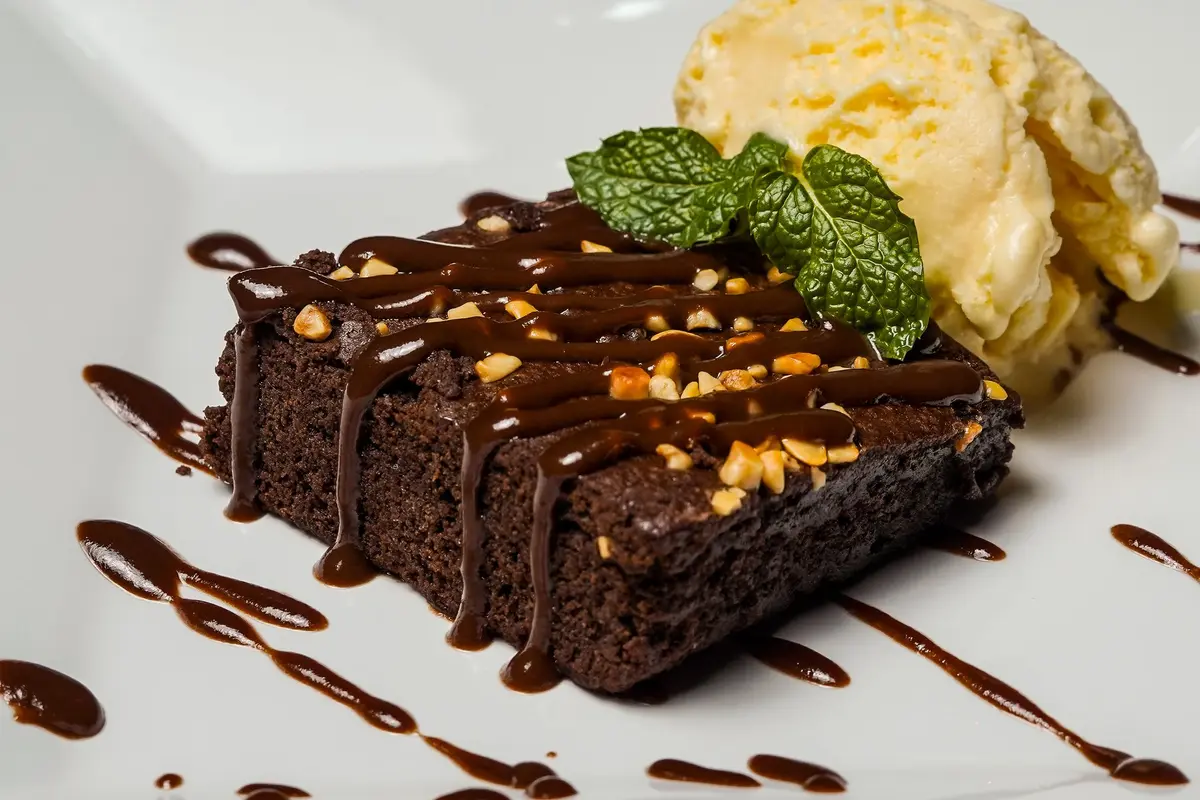
Then add warmth. Hot fudge was the favorite topping of 31% of adults in that survey. A warm brownie under a scoop fits a cold day. So does espresso poured over vanilla. Each one uses tools a scoop shop often has already.
A winter menu that stays simple
- Two or three seasonal flavors, each with an end date
- One warm dessert built on equipment you own
- A hot drink that pairs with a scoop
- Pints of every seasonal flavor in the freezer
- A price set before the menu board changes
Franchisees should clear new flavors and prices with the franchisor before the boards change. Some brands send a winter menu of their own, so ask what you may add locally. To set the price, follow how to price a limited-time offer.
How do you sell more pints and quarts in winter?
Take-home sales carry a scoop shop through the cold months. Keep a freezer of hand-packed pints by the register. Stock it with the seasonal flavors and your top sellers. Put the price on a small card in front.
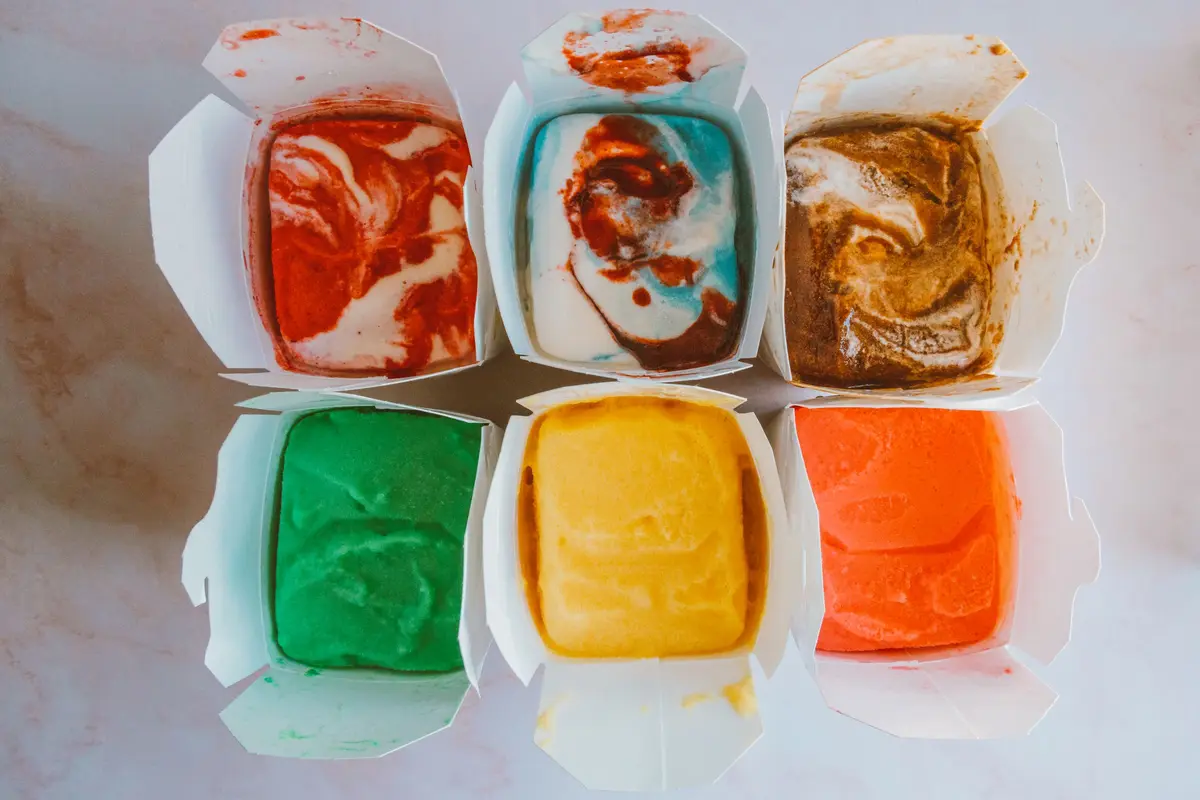
Ask at every order, the way a café asks about a pastry. One line is enough: “Want a pint of this to take home?” Put that line on the register screen, and staff will say it.
Delivery apps help here too. A pint travels better than a cone. List pints and quarts as their own items, each with a clear photo. The DoorDash guide covers the menu setup.
How do you sell holiday pies and ice cream cakes?
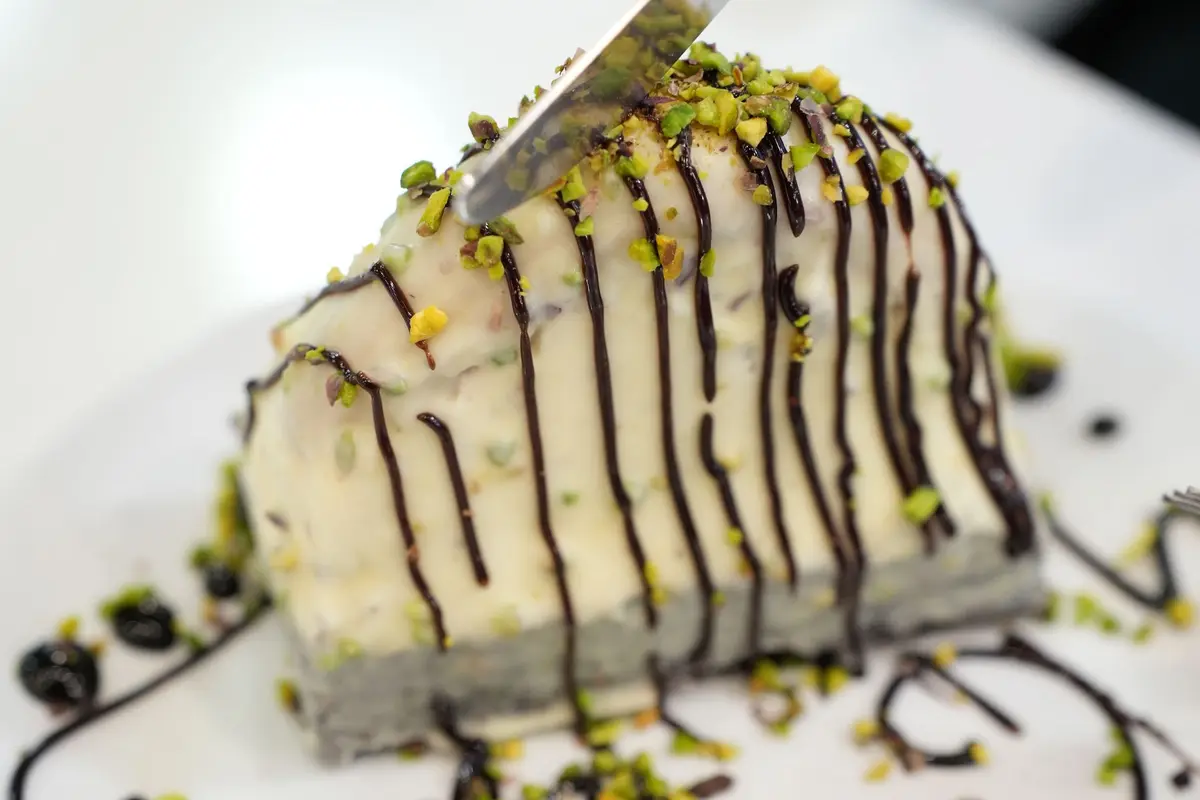
Ice cream cakes are part of how people celebrate. In the IDFA survey, 21% of adults chose a birthday party ice cream cake as their most American ice cream memory. Holidays bring the same need for a dessert that feeds a table.
Sell them by pre-order only. Open orders two to three weeks before Thanksgiving. Open them again before Christmas. Take payment when the order is placed. Set a pickup window and a cap your freezer can hold.
- ordered for one holiday
- 40 pies
- price of each ice cream pie
- $30
- paid before a single pie is made
- $1,200
That money arrives in weeks when the window is quiet. The order list also tells you how much to make. Little goes to waste.
Why should a frozen-dessert shop push gift cards in December?
Gift cards are a December habit. The National Retail Federation found that 43% of shoppers planned to buy at least one over the 2025 holidays. Most said they would pick a restaurant, bank or department store card.
- expected spending on gift cards
- $29 billion
- of shoppers planned to buy at least one
- 43%
A card sold in December is a visit in January or February. Those are the months you need it. Put cards by the register and on your website. Sell small amounts that fit in a stocking.
The fees are small. Square, a register company, lets shops set up eGift cards for free. It charges up to a 2.5% load fee when money goes on a card. The normal card fee applies too. A tap at the counter costs 2.6% + 15 cents. An eGift order online costs 2.9% + 30 cents.
- for the load fee
- 50 cents
- for the card payment
- 67 cents
- in total to sell that card
- $1.17
In a franchise, the franchisor often runs one gift card program for every store. Ask before you print your own. For more ways to sell them, see how to sell more gift cards for the holidays.
Should you cut hours or close for part of the winter?
Shorter hours are fine. Surprise hours are not. A guest who finds a locked door may decide you closed for the season. Some will not come back to check.
Before you change winter hours
- Pull sales by hour from your register
- Keep the hours that still sell
- Post the new hours on the door
- Set special hours on your Business Profile
- Update every delivery app the same day
Post winter hours on the door, on your website and on Google. Google’s help page says to set special hours for holidays and other temporary periods. Do it before each holiday, not after. The Google Business Profile guide covers the rest of the listing.
How do you get the winter menu seen?
A new flavor that nobody hears about sells like an old one. Film it yourself first. A short clip of the scoop, the hot fudge pour or a cake being boxed is enough. Post it the day the item launches.
Clips that show a winter launch
- The first scoop of the new flavor
- Hot fudge poured over a warm dessert
- A pint packed and handed over
- A holiday pie boxed for pickup
Then let other people show it. Local food creators post what is new in town, and a winter flavor is news. Invite one or two in the first week of each launch. Ask them to tag your shop’s location.
Paid ads can carry your strongest clip further. A small test is enough. In our example, $10 a day for 14 days costs $140. Aim it at people within a short drive of the shop. The Facebook ads guide shows the setup.
- set as the daily budget
- $10 a day
- the first two weeks of a launch
- 14 days
- spent in total
- $140
If you would rather not run the outreach, CreatoRain’s in-house team books creators from its food-creator network to visit your stores. Each one films your winter menu. The team pays each creator and follows up until the video is live. Each video costs $300, and the creator’s pay is part of that price.
What does a winter plan look like, month by month?
Early November
Open pie and cake pre-orders and put gift cards by the register
Two weeks later
Late November
Launch the first winter flavor and film it
After Thanksgiving
December
Push gift cards and take Christmas cake orders
After the holidays
January
Add a warm dessert and remind card holders to visit
Before Valentine’s Day
February
Sell pints and small cakes for two
Each step gives guests one new reason to come in. For the rest of the year, see how to build a marketing calendar.
How do you know the winter push is working?
Compare each winter week with the same week last year. Weather moves the numbers, so judge a whole month, not one cold day.
Numbers to check each week, by shop
- Pints and quarts sold
- Pie and cake pre-orders against your cap
- Gift card sales, and redemptions after the holidays
- Sales of each seasonal flavor
- Sales in the hours you kept open
Keep what sold, and drop what did not. Next winter starts from that list.
Sources and method
Where each number comes from
- “58%” — Chocolate Returns to No. 1 and Butter Pecan Surpasses Vanilla Ahead of National Ice Cream Day (International Dairy Foods Association, July 16, 2026). Read October 8, 2026.
- “72%” — Chocolate Returns to No. 1 and Butter Pecan Surpasses Vanilla Ahead of National Ice Cream Day (International Dairy Foods Association, July 16, 2026). Read October 8, 2026.
- “31%” — Chocolate Returns to No. 1 and Butter Pecan Surpasses Vanilla Ahead of National Ice Cream Day (International Dairy Foods Association, July 16, 2026). Read October 8, 2026.
- “21%” — Chocolate Returns to No. 1 and Butter Pecan Surpasses Vanilla Ahead of National Ice Cream Day (International Dairy Foods Association, July 16, 2026). Read October 8, 2026.
- “$29 billion” — Gift cards gain popularity as top choice for holiday shoppers in 2025 (National Retail Federation, December 11, 2025). Read October 8, 2026.
- “2025 holidays” — Gift cards gain popularity as top choice for holiday shoppers in 2025 (National Retail Federation, December 11, 2025). Read October 8, 2026.
- “43%” — Gift cards gain popularity as top choice for holiday shoppers in 2025 (National Retail Federation, December 11, 2025). Read October 8, 2026.
- “2.5%” — Square Gift Cards: features, fees and FAQ (Square, read October 8, 2026). Read October 8, 2026.
- “2.6% + 15 cents” — Square Gift Cards: features, fees and FAQ (Square, read October 8, 2026). Read October 8, 2026.
- “2.9% + 30 cents” — Square Gift Cards: features, fees and FAQ (Square, read October 8, 2026). Read October 8, 2026.
- “40 pies” — Our arithmetic on an example: one shop pre-sells 40 ice cream pies for one holiday. It is not any real shop’s figure. Measured October 8, 2026.
- “$30” — Our arithmetic on an example: a $30 price per ice cream pie is assumed for the example, not a benchmark or any real shop’s price. Measured October 8, 2026.
- “$1,200” — Our arithmetic: 40 pies × $30 = $1,200, paid at the time of order. It is not any real shop’s figure. Measured October 8, 2026.
- “$20 card” — Our arithmetic on an example: one $20 gift card sold by card tap at the counter, at Square’s published fees (read 2026-10-08). Measured October 8, 2026.
- “50 cents” — Our arithmetic: a 2.5% load fee on a $20 gift card = $0.50 (Square’s published maximum load fee, read 2026-10-08). Measured October 8, 2026.
- “67 cents” — Our arithmetic: 2.6% of $20 = $0.52, plus 15 cents = $0.67 for the tap payment (Square’s published rate, read 2026-10-08). Measured October 8, 2026.
- “$1.17” — Our arithmetic: $0.50 load fee + $0.67 payment fee = $1.17 to sell one $20 gift card at the counter. Measured October 8, 2026.
- “$10 a day” — Our arithmetic on an example: a $10 daily ad budget is an assumed test size, not a platform minimum or a benchmark. Measured October 8, 2026.
- “14 days” — Our arithmetic on an example: a 14-day test, about the first two weeks of a flavor launch. It is not a platform rule. Measured October 8, 2026.
- “$140” — Our arithmetic: $10 a day × 14 days = $140 for the example ad test. Measured October 8, 2026.
- “$300” — As published on our pricing page.
Pages quoted in this article
- Frozen Delights: Exploring Ice Cream Chains Across America (Placer.ai, July 1, 2024) Read October 8, 2026.
- Chocolate Returns to No. 1 and Butter Pecan Surpasses Vanilla Ahead of National Ice Cream Day (International Dairy Foods Association, July 16, 2026) Read October 8, 2026.
- Gift cards gain popularity as top choice for holiday shoppers in 2025 (National Retail Federation, December 11, 2025) Read October 8, 2026.
- Square Gift Cards: features, fees and FAQ (Square, read October 8, 2026) Read October 8, 2026.
- Edit your Business Profile on Google: hours and special hours (Google Business Profile Help, read October 8, 2026) Read October 8, 2026.
Related questions
All 9 guides on Holidays & seasons →Run more than one location? See how CreatoRain works for restaurant chains. See real campaigns in our case studies.