Is influencer marketing worth it for a small restaurant?
A creator messages your store manager on a Monday. She wants a free dinner for two in exchange for a video. The manager forwards it to you. You have to decide whether that meal is marketing or just a lost table.
It pays when three things line up at a location. You have a dish that looks good on camera. You have empty seats on certain nights. And local creators already post about places like yours. Without all three, a free meal is a cost with no return. Start with one store and count new guests.
CreatoRain Team7 min read
CreatoRain is a done-for-you restaurant influencer marketing service for chains and franchises: CreatoRain's in-house team finds, invites and pays food creators and follows up until each video is posted.

Do restaurants say creator marketing pays?
Many say yes, even while they put it last. Deloitte Digital shared restaurant findings from its State of Social research. Working with creators ranked as their lowest-priority social tactic. Yet 46% of respondents called it their second-highest return strategy. Only loyalty and rewards programs ranked higher. In other words, plenty of operators skip a tactic their peers say earns its keep.
- of restaurant respondents rank creators their second-highest return strategy
- 46%
- consumers found a new brand or product through a creator in the past year
- one in three
- of consumers follow food and lifestyle topics on social media
- 65%
Diners point the same way. Most consumers already follow food and lifestyle topics on social media, and creators steer some of their choices. Survey numbers describe the average restaurant, though. Whether a creator visit pays at your store depends on three conditions you can check yourself.
When does influencer marketing pay off for a restaurant?
Three conditions decide most outcomes. You need something worth filming, room to seat the guests a video brings, and creators whose followers live in your area. A store manager can check all three in a week. Score each location separately, because two stores in one system rarely look alike.
| Condition | What to check | If it is missing |
|---|---|---|
| A dish worth filming | One plate that looks good up close and tastes as good as it looks | Fix the menu or the plating first |
| Seats to fill | Nights or dayparts when the room sits half empty | A free meal costs a paying guest |
| An audience in your area | Creators who post about places in your trade area | Views arrive, but visits do not |
A store that meets all three is a good first test. A store that meets one is usually better served by other marketing, such as paid ads or a local promotion. To weigh those against each other, read food influencers vs Facebook ads.
What makes a dish worth filming?
A creator video sells a plate before it sells a place. A viewer decides in a few seconds, and the food is the first thing on screen. If the plate looks ordinary, the video gives nobody a reason to come in.
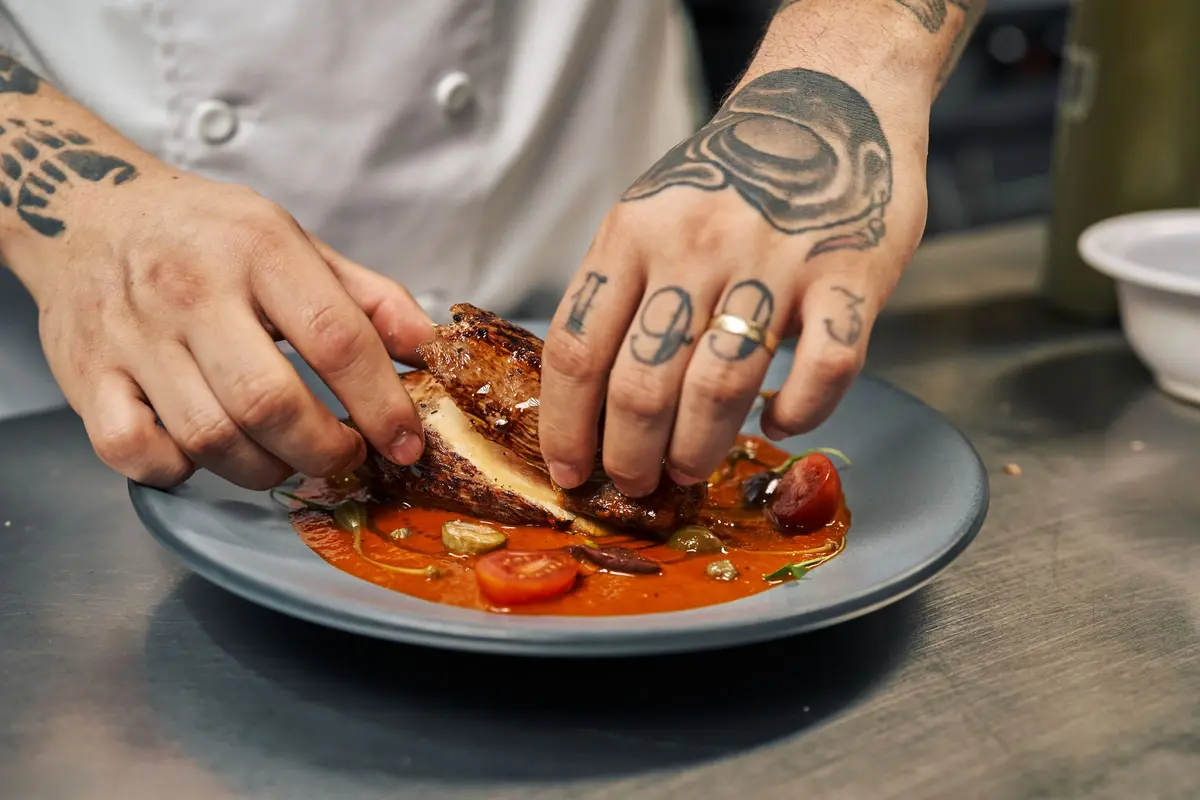
So lead with the plate that still looks good on a small phone screen. Steam, a cheese pull, a sauce poured at the last second and bright color all read well. Pick one dish per store and plate it the same way every time. If no dish stands out, fix the menu before you invite anyone.
Do you have seats to fill?
The second condition is spare room. The Advice Guy column in Restaurant Business listed the costs of hosting a creator. There is the fee to whoever arranged it, and there is the free meal. There is also the paying guest who could have used that seat.
| When the visit happens | The seat it takes | Verdict |
|---|---|---|
| A slow weeknight | Would have stayed empty | You pay only for the food |
| A steady lunch | Might have gone to a regular | Worth it for a strong dish |
| A full weekend night | Would have gone to a paying guest | Move the visit |
Small stores feel this most. The Los Angeles Times reported on an Echo Park restaurant that hosted a creator group in 2026. The meal came to just under $500. A slow night there might bring in $2,000 or $2,500 in sales. When the promised reel and TikTok never came, the owners felt the loss. Book creators on the nights you most need to fill.
Do local creators already post about places like yours?
A video only fills seats if its viewers can reach your door. A creator with followers across the country brings views, but few visits. The Restaurant Business column suggests a better starting list. Look at who already writes about your competitors and the restaurants you admire.
Check a creator before you invite them
- Posts about restaurants in the towns your stores serve
- Recent videos show real visits, not only paid ads
- Comments come from people who live in your city
- Has filmed a place with a menu like yours
- Replies to messages within a few days
Playing it here loads YouTube’s player, which may set its own cookies.
Look past follower counts. In the same Los Angeles Times story, a Thai restaurant in Hollywood paid a creator with a very large following. The post took months to appear. Its social media manager said afterward that she should have looked harder at the engagement. Real comments from real locals matter more than the size of the audience.
What does a creator visit cost?
Some local creators will film for a free meal. Others ask for a fee on top of it. Rates vary by creator, platform and city, so ask each creator for a rate in writing before the visit.
What to agree in writing before a creator visits
- The fee, or that the meal is the whole payment
- Which dishes and drinks the meal covers
- How many posts, and on which apps
- The date each post goes live
- Whether your store may repost the video
Add the meal and the staff time on top. For more on rates, see what it costs to get food influencers to your restaurant. For the trade-off between cash and a comped meal, read whether to pay food influencers or offer a free meal.
How many new guests does a visit need to pay off?
Do the sum before you invite anyone. Take what one visit costs the store. Divide it by what you keep from a new guest after food and labor. The result is how many new guests the video must bring in to break even.
Add up the cost
A $60 comped meal, plus a $250 fee if the creator charges one, comes to $310.
Then
Find what a new guest leaves you
Say a $20 check leaves $6 after food and labor.
Then
Divide the cost by that amount
A comp-meal visit needs 10 new guests. A paid one needs about 52.
Comp-meal visits clear that bar far more easily. A paid visit needs a creator whose followers truly live nearby, so check the comments first. Count return visits as well. A new guest who comes back adds to what the video earned, so a good month can keep paying.
How do you know if a visit paid off?
Decide how you will count before the video goes up. The simplest method is to ask. A co-owner of the Echo Park restaurant told the Times his staff regularly ask guests how they heard of the place. Most name a social media post, usually one made by a diner or a creator.
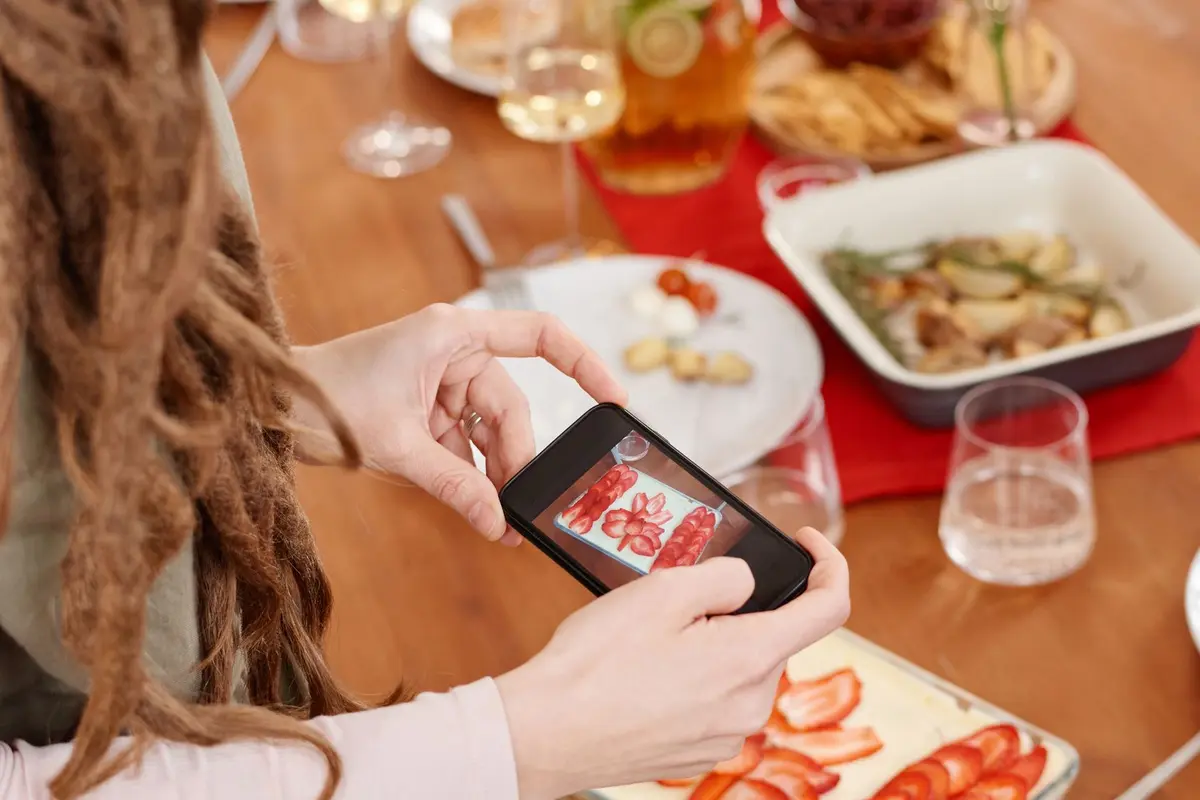
Then track the filmed dish. Watch how often guests order it by name, and compare its sales with the same weeks before the post. Ask the creator for the video’s views from your own city. For a fuller method, see our guide to counting the guests a creator brings in.
What does a careful first test look like?
The safest test is small and deliberate. Pick the stores that pass all three conditions, invite a handful of creators and count the results the same way at each. Then decide whether to repeat it.
Two results from one test is normal. One store had the dish and the audience, and the other did not. A split result tells you where to spend next, which is worth more than an average across every store.
When is influencer marketing not worth it?
Sometimes the honest answer is no. A creator cannot fix a slow kitchen, a weak dish or a store that is already full. In those cases the meal is simply a cost.
| What you see | What to do instead |
|---|---|
| The store is full most nights | Spend on the slow daypart, or skip it |
| No dish looks good up close | Rework the menu or the plating first |
| Service or wait times draw complaints | Fix operations before you draw a crowd |
| Requests come only from creators far away | Use local paid ads in the store’s area |
| Nobody has time to follow up | Wait until someone owns the program |
Follow-up is the step that is easiest to skip. The Los Angeles Times story was full of posts that came months late or not at all. A visit without a written agreement and a reminder is a gamble. If a creator goes quiet after the meal, here is how to handle a creator who never posts.
How should a small chain start?
Start with one or two stores that pass all three conditions. If you run a franchise, get your franchisor’s yes before you invite creators, since your agreement may set rules for local marketing. Then put the terms in writing, so the creator and your manager expect the same visit.
Put these in writing before the visit
- The date, the time and what the meal covers
- How many posts, on which platform and by when
- That the post says the meal was hosted
- Whether you may share or reuse the video
- Who at the store the creator contacts
The post should tell viewers the meal was free. For the wording, see how a creator should disclose a hosted meal. For a full month of visits across several stores, follow the one-month creator campaign plan.
What changes when you run more than one location?
The work multiplies with every store. Each location needs its own dish, its own slow nights and its own creators. Someone has to send the invitations, chase the posts and count the guests. That load is hard to carry on top of running the stores.
What to keep the same across stores
- One invitation template with the same terms
- One way to count new guests and dish sales
- One person who owns follow-up for every store
If the outreach is the part you cannot staff, CreatoRain runs it for you. You list your locations. Our in-house team invites creators from our food-creator network to visit each store. We book each visit, pay the creator and follow up until the video is live. Each video costs $300, and the creator’s pay is included.
Sources and method
Where each number comes from
- “46%” — Social media and restaurant marketing (Deloitte Digital, Sept. 11, 2025). Read October 7, 2026.
- “one in three” — Social media and restaurant marketing (Deloitte Digital, Sept. 11, 2025). Read October 7, 2026.
- “65%” — Social media and restaurant marketing (Deloitte Digital, Sept. 11, 2025). Read October 7, 2026.
- “just under $500” — Restaurants are paying influencers for promotional posts. How messy can it get? (Stephanie Breijo, Los Angeles Times, via The Spokesman-Review, June 29, 2026). Read October 7, 2026.
- “$2,000 or $2,500” — Restaurants are paying influencers for promotional posts. How messy can it get? (Stephanie Breijo, Los Angeles Times, via The Spokesman-Review, June 29, 2026). Read October 7, 2026.
- “$60” — An illustrative menu value for a comped meal for two, chosen for the worked example; not a survey figure. Measured October 7, 2026.
- “$250” — An illustrative creator fee, chosen for the worked example; not a survey figure. Measured October 8, 2026.
- “$310” — Arithmetic: a $60 comped meal plus an illustrative $250 creator fee. Measured October 8, 2026.
- “$20” — An illustrative average check for one new guest, chosen for the worked example; not a survey figure. Measured October 7, 2026.
- “$6” — An illustrative amount kept from a $20 check after food and labor (30%), chosen for the worked example; not a survey figure. Measured October 7, 2026.
- “10 new guests” — Arithmetic: a $60 comp-meal visit divided by $6 kept per new guest. Measured October 7, 2026.
- “about 52” — Arithmetic: a $310 paid visit divided by $6 kept per new guest is 51.7, rounded up to whole guests. Measured October 8, 2026.
- “$300” — As published on our pricing page.
Pages quoted in this article
- Social media and restaurant marketing (Deloitte Digital, Sept. 11, 2025) Read October 7, 2026.
- Are food influencers a good investment? (Jonathan Deutsch, Restaurant Business, July 25, 2024) Read October 7, 2026.
- Restaurants are paying influencers for promotional posts. How messy can it get? (Stephanie Breijo, Los Angeles Times, via The Spokesman-Review, June 29, 2026) Read October 7, 2026.
Related questions
All 8 guides on Costs & ROI →Run more than one location? See how CreatoRain works for restaurant chains. See real campaigns in our case studies.